






AT A GLANCE
- The Montgomery Bus Boycott marks its 70th anniversary, bringing together descendants of key civil rights organizers in Montgomery.
- The original 381-day boycott mobilized 40,000 Black residents, using economic pressure to dismantle segregated bus laws.
- Modern activists are drawing on that legacy, urging selective buying campaigns targeting corporations rolling back DEI initiatives or supporting the Trump administration.
Montgomery Bus Boycott 70th Anniversary Highlights What True Activism Can Do
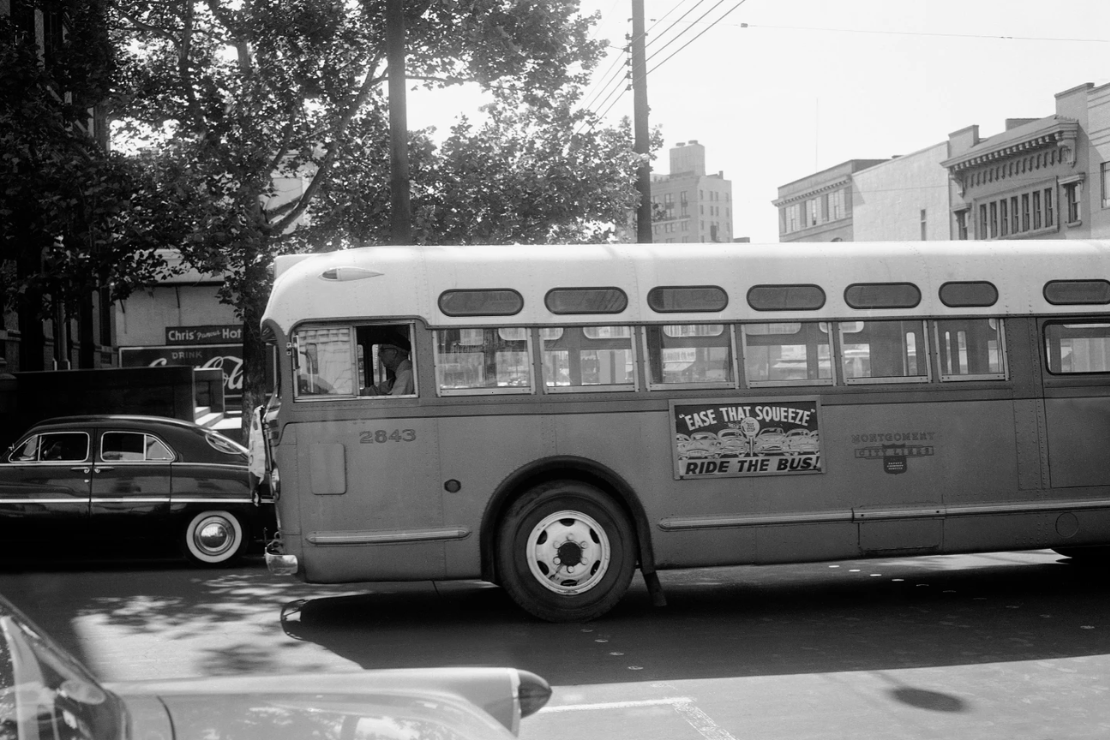
The Montgomery Bus Boycott marks its 70th anniversary Friday, and many of the boycott organizers’ descendants are preparing to reunite in the Alabama city where it began.
Doris Crenshaw was 12 years old on Dec. 5, 1955, when she and her sister rushed door to door distributing flyers prepared by activists urging Black residents in Montgomery not to ride city buses after Rosa Parks’ arrest days earlier.
Parks, the secretary of the local NAACP chapter, had been detained for refusing to give up her seat to a white passenger on a segregated bus. For the next 381 days, an estimated 40,000 Black residents stopped riding the buses, choosing instead to walk, carpool, or take Black-owned cabs until a legal challenge ultimately struck down the segregation laws.
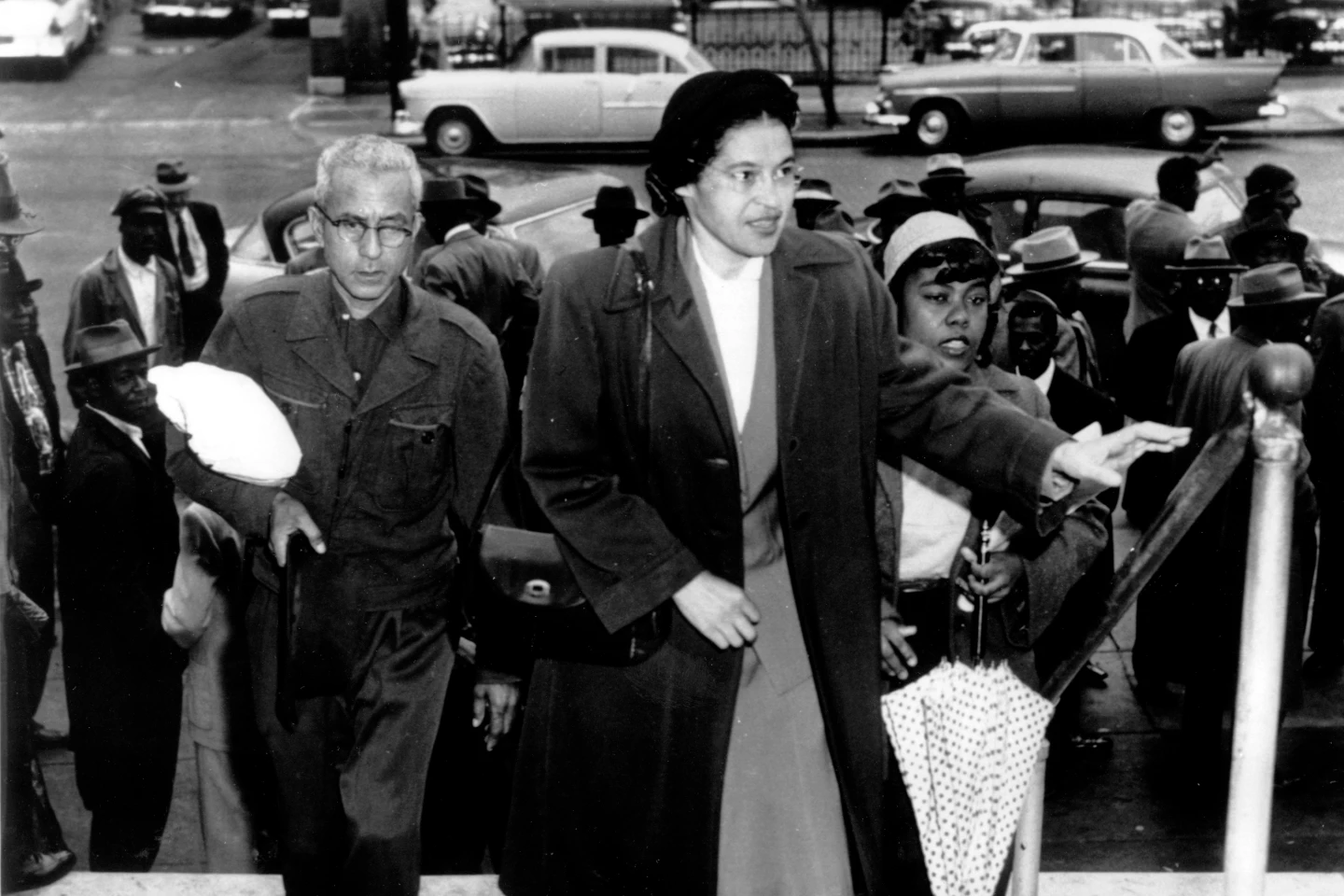
Photo, File)
Crenshaw, now 82, recalled the pressure that had been building in the city. Numerous arrests over bus seating had created a growing demand for change. She remembered the widespread dedication: each day she walked across town to school and did not return to riding buses for the duration of the boycott.
Many descendants of boycott organizers, including those of Martin Luther King Jr. and Ralph David Abernathy Sr., will gather this week to honor the anniversary. The Montgomery Bus Boycott is widely recognized as the launch point of the modern Civil Rights Movement, demonstrating the effectiveness of sustained nonviolent protest and coordinated economic pressure.
This year, national organizers urged people to skip Black Friday and Cyber Monday shopping in response to major retailers like Target and Amazon rolling back diversity initiatives and providing financial support to the Trump administration.
NAACP President Derrick Johnson said such actions remain part of the organization’s “selective buying campaigns,” a strategy to respond to harmful corporate or political behavior.
The history of the boycott traces back to Parks’ arrest on Dec. 1, 1955, which served as the tipping point for activists already discussing a larger action. Contrary to popular myth, Parks later wrote that she was not exhausted from work but simply tired of giving in. She was deeply respected in Montgomery, leading the NAACP Youth Council and regularly hosting young activists like Crenshaw.
Crenshaw went on to a lifetime of civil rights work, including organizing for the National Council of Negro Women, serving in President Jimmy Carter’s domestic policy office, and founding The Southern Youth Leadership Development Institute.
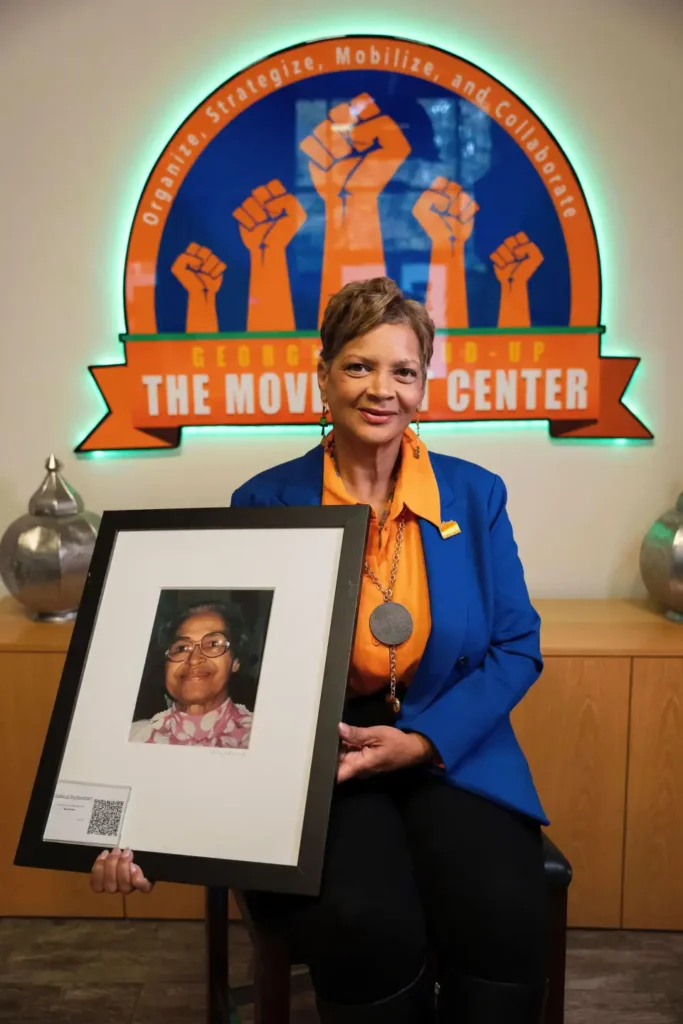
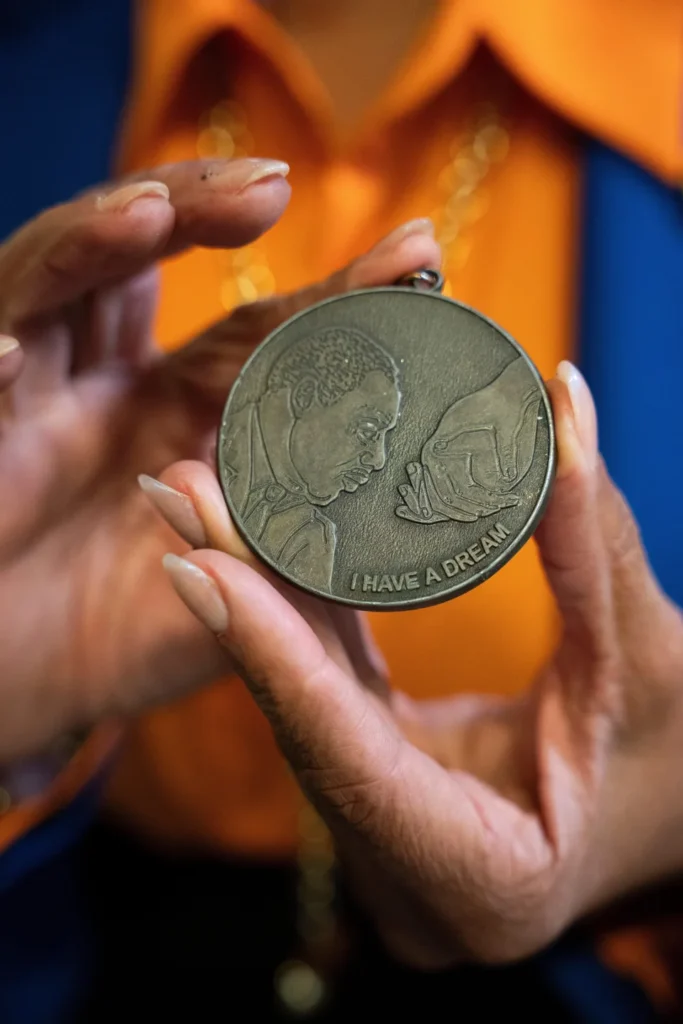
Activists today draw from the same principles Montgomery embodied. Deborah Scott, CEO of Georgia Stand-Up, noted that while methods have changed, the core idea remains: use the community’s economic influence to drive policy change.
Scott began her activism as a teenager, working with the Southern Christian Leadership Conference on anti-apartheid efforts and learning from civil rights leaders like the Rev. James Orange, who emphasized preparing young people for sustained movement work.
Despite evolving tools—including social media—Scott said unity and relationship-building remain the backbone of any successful boycott. Now, younger activists often use consumer purchasing power to demand change from corporations. She said her organization encourages people to examine where they spend their money.
The next generation is already stepping into this work. In Montgomery, 13-year-old Madison Pugh decided with her grandmother to stop shopping at Target after the company announced it was phasing out diversity, equity, and inclusion initiatives. For Pugh, the decision felt like a rejection of hard-won progress. Growing up surrounded by the city’s civil rights history, she said the stories of leaders like Parks and Crenshaw carry both inspiration and a reminder that the struggle is ongoing.
Scott said connecting past and present remains crucial. The civil rights movement, she noted, “didn’t just happen back then. It’s still happening now.”