






AT A GLANCE
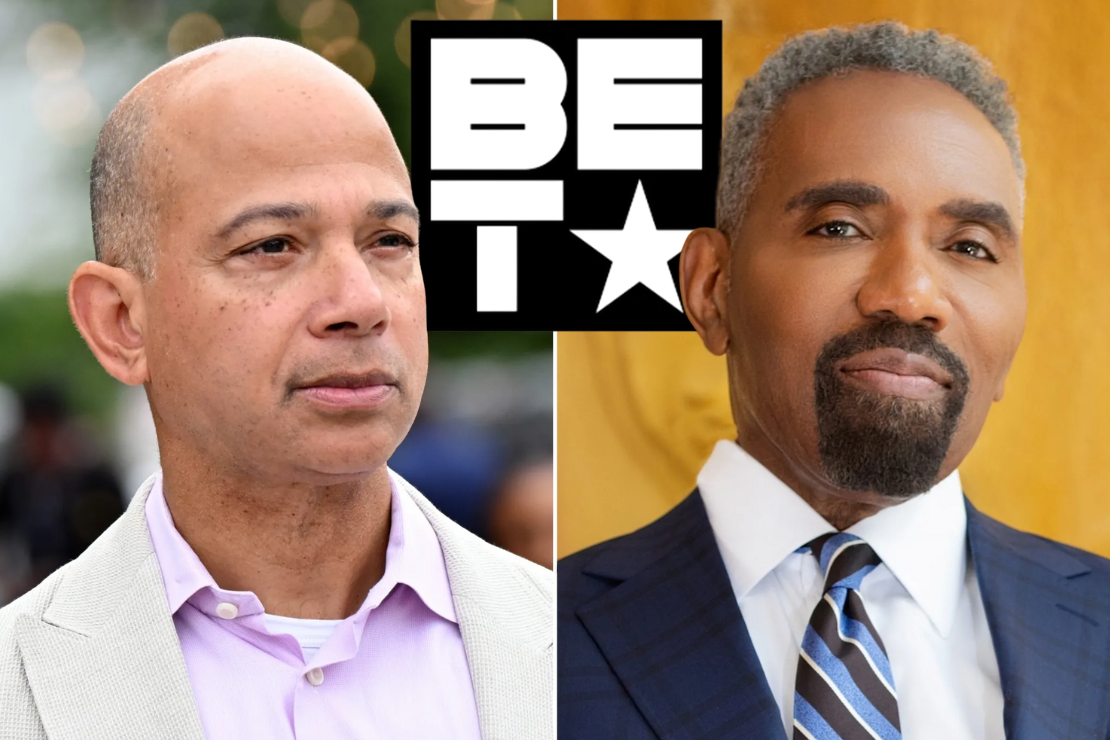
• Scott Mills exits BET after 23 years; Louis Carr takes over as president
• BET Studios is moving under CBS Studios, still led by Aisha Summers-Burke
• Paramount’s post-merger consolidation reshapes BET’s structure and operations
• Pause of BET Hip-Hop and Soul Train Awards continues to spark cultural backlash
Paramount’s Post-Merger Consolidation Reshapes BET, Faces Questions About the Media’s Future
BET is undergoing one of its most significant leadership shifts in decades. Scott Mills, who spent 23 years helping shape the network’s cultural footprint and business strategy, has stepped down as president and CEO.
Mills joined the company in 1997, rising from Viacom’s SVP of Business Development to successor of Debra Lee in 2017. He was the final member of pre-merger senior leadership before Paramount completed its Skydance acquisition earlier this year.
In a memo to staff, Mills called the decision “difficult,” reflecting on the honor of leading a brand rooted in serving the Black community. He credited BET founder Bob Johnson for offering a “master class in bold vision,” calling those lessons foundational to his tenure.
Stepping into the top role is Louis Carr, a 39-year veteran of BET who has served as President of Media Sales for 24 years.
Carr generated more than $9 billion in advertising revenue during his tenure, cultivating partnerships with Apple, McDonald’s, Procter & Gamble, and other major brands. Paramount TV Media Chair George Cheeks formally announced Carr’s promotion, praising his “deep experience and proven track record” as essential for guiding BET through its next era. Carr will continue leading media sales while also serving as president, reporting directly to Cheeks.
In his own memo, Carr described his vision around “Community, Culture, and Connection,” emphasizing plans to strengthen the BET brand, deepen audience engagement, leverage Paramount’s scaled resources, and further elevate creators and talent who serve Black audiences.
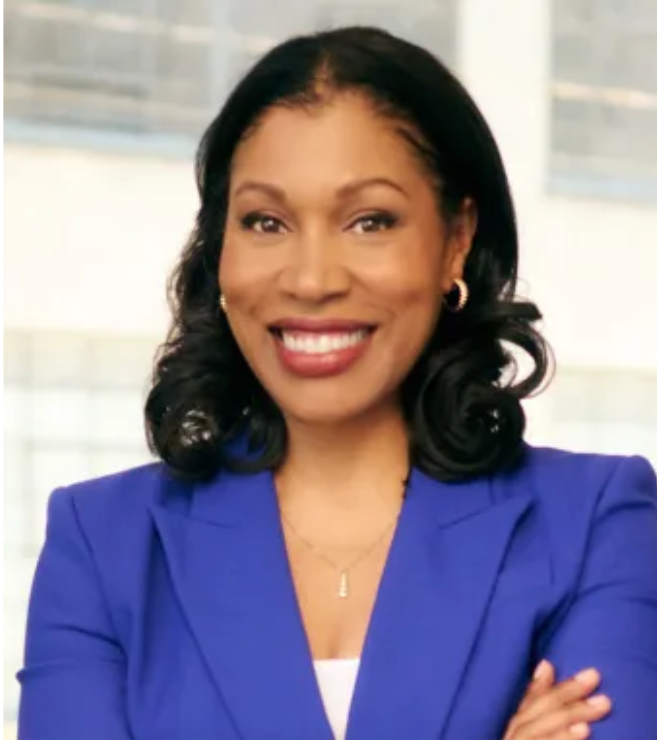
A major structural shift accompanies Carr’s promotion: BET Studios, launched by Mills in 2021, will now move under the CBS Studios division. Aisha Summers-Burke, who has led BET Studios since its inception as EVP and Head of Creative, will continue overseeing the unit in its new home. Under Summers-Burke, BET Studios recently delivered its first breakout hit, “Diarra From Detroit,” renewed for a second season at BET+.
According to Cheeks, moving BET Studios into CBS Studios creates “alignment, resources, and support across studios while preserving BET’s unique programming brand and point of view.” The reorganization completes Paramount’s post-merger realignment, with Nickelodeon live-action, Awesomeness, and Showtime/MTV Entertainment Studios previously folded into Paramount TV Studios earlier this year.
Cheeks’ memo signaled even broader centralization ahead, noting that BET’s core operations and department heads will now connect more closely with the TV Media division across communications, marketing, finance, research, BALA and more.
The message did not address the future of BET+, which remains in Cheeks’ portfolio, nor whether Carr will appoint a dedicated programming executive. The changes follow significant layoffs across Paramount’s cable networks as the company reshaped its operations after the merger.
Cheeks echoed sentiments from Paramount CEO David Ellison and President Jeff Shell, calling BET “one of the most iconic brands in entertainment” and emphasizing its long-term value.
The leadership transition comes amid growing concerns about BET’s cultural direction.
Months before stepping down, Mills announced an indefinite pause on the BET Hip-Hop Awards and Soul Train Awards. Mills said the pause reflected an effort to “reimagine” the shows within a rapidly changing media landscape, but many across the culture were unhappy with the decision.
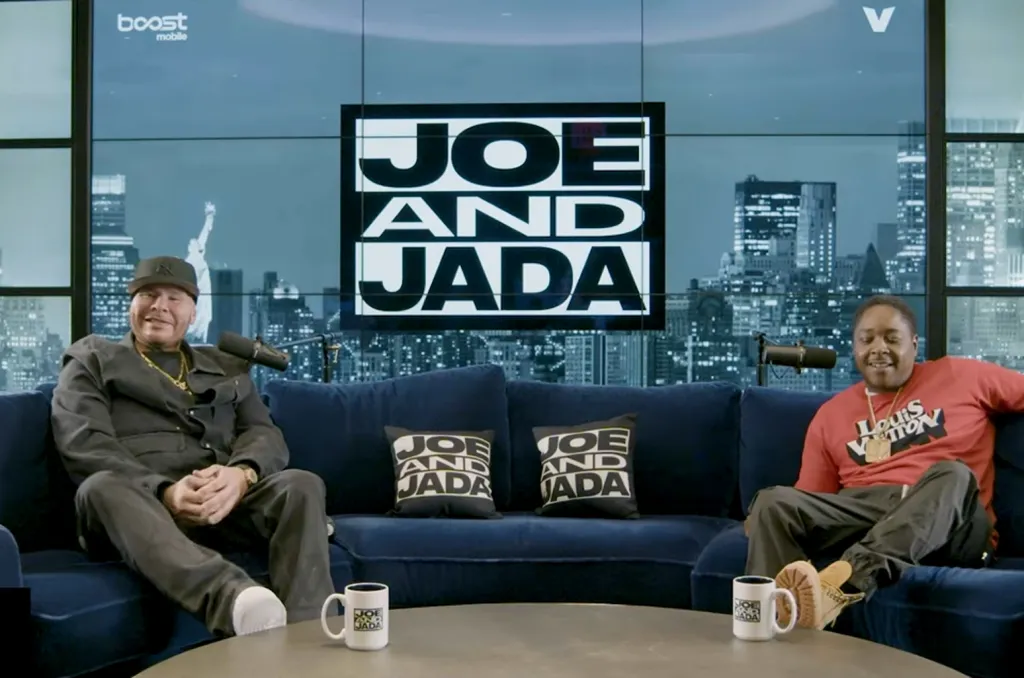
Fat Joe and Jadakiss criticized the move on their “Joe & Jada” podcast, describing it as yet another form of cultural “gentrification” and pointing to the broader trend of sidelining iconic Black institutions in corporate media spaces.
In his memo, Carr acknowledged the uncertainty of the past several months and urged staff to remain focused on BET’s mission. He outlined priorities including strengthening the BET brand, deepening relationships with talent, optimizing resources across Paramount’s ecosystem, and clarifying the network’s role in shaping and reflecting Black culture.
“BET continues to be strong because of you,” he told staff, emphasizing collaboration as essential to the network’s future. As BET undergoes restructuring, leadership changes, and industry-wide pressures, Carr steps into the role tasked with protecting the brand’s cultural relevance while navigating the realities of corporate consolidation.