






October Jobs Data May Never Be Released, White House Says
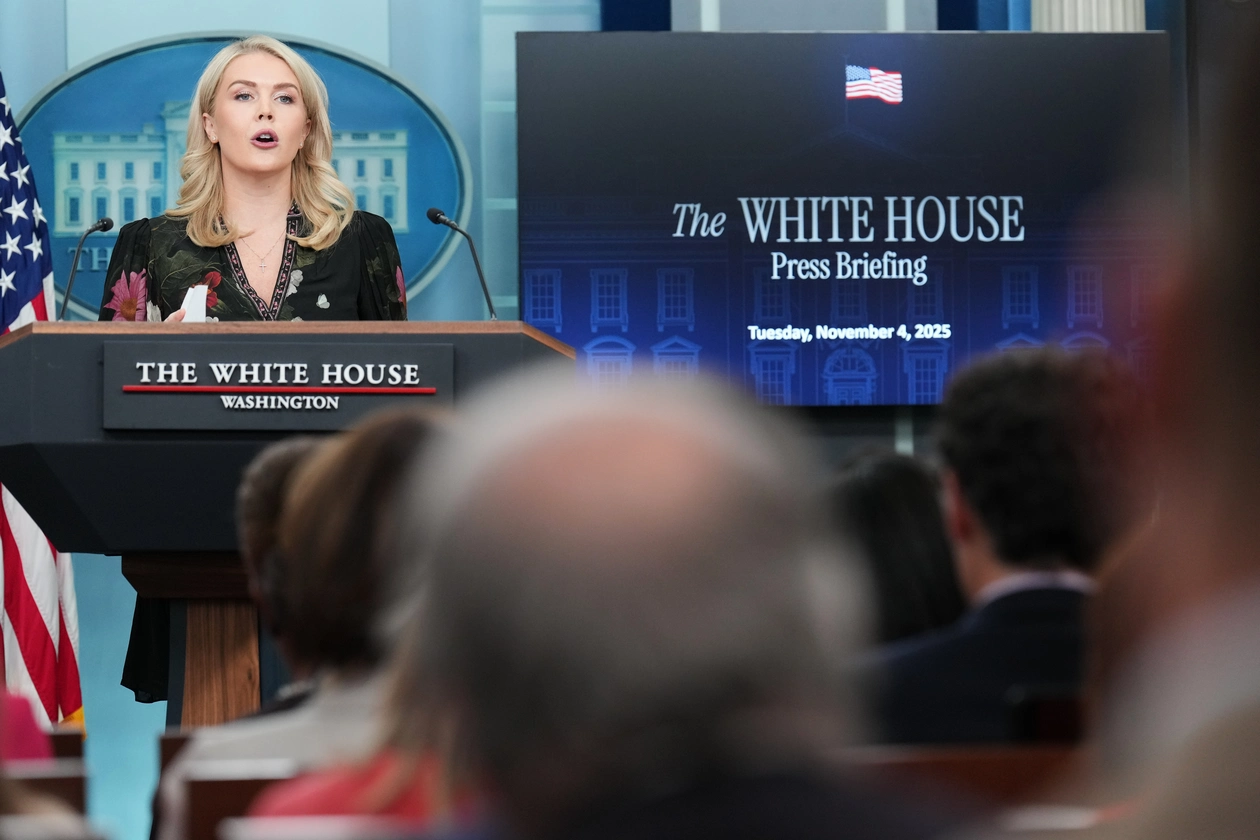
The Trump administration confirmed this week that key U.S. economic data for October, including the monthly jobs report and inflation numbers, will likely never be released. White House Press Secretary Karoline Leavitt told reporters that the 40-plus-day government shutdown prevented the Bureau of Labor Statistics (BLS) from conducting the monthly surveys that form the backbone of the nation’s most relied-upon economic indicators.
Leavitt blamed congressional Democrats, saying their refusal to accept the administration’s budget demands “permanently damaged the federal statistical system.” According to her, incomplete and unverified data will leave Federal Reserve policymakers “flying blind at a critical period.”
The shutdown halted nearly all data-collection work at BLS except for a temporary recall of staff needed to release the September consumer price index in time to calculate next year’s Social Security cost-of-living adjustment.
Because the agency could not gather real-time price or employment data throughout October, officials warn it cannot now be reconstructed without severe accuracy problems, including recall bias — the well-documented issue of people misremembering past events.
The September jobs numbers, which were mostly collected before the shutdown began, are expected to be released shortly after the government fully reopens. But the October data gap could remain permanent.
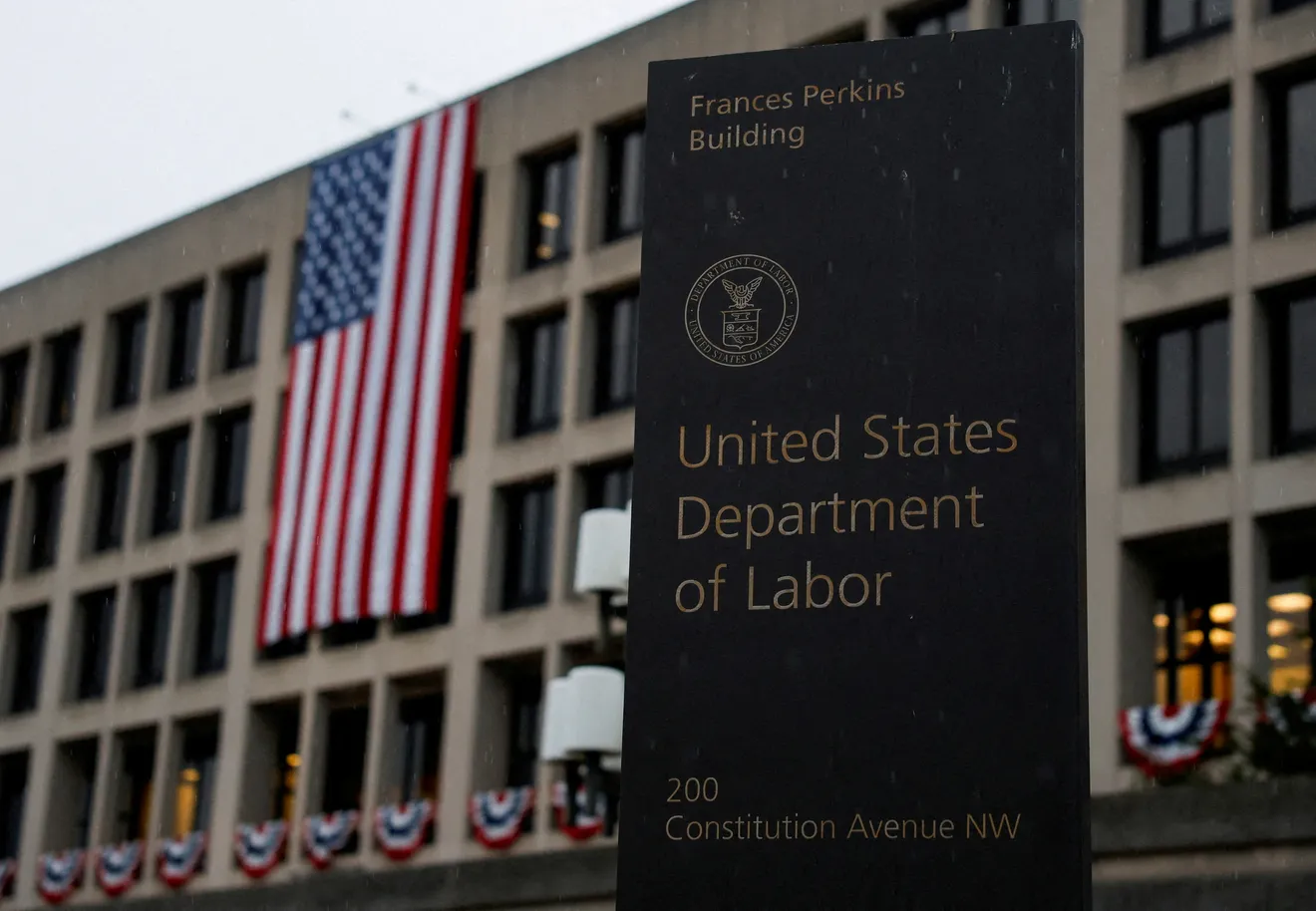
Former BLS Commissioner Erica Groshen said the agency will need to assess what can be salvaged once operations resume, but warned that permanently missing data creates a break in a long-running statistical record used by economists, markets, and lawmakers.
“If something can be incorporated in future releases, that would be better than leaving a permanent hole,” Groshen said. “They would very much not want to have missing data forever.”
The data blackout also affects the Bureau of Economic Analysis and the Census Bureau, both part of the Commerce Department.
Critics argue the administration is using the shutdown-related disruption to obscure worsening economic indicators.
“Americans know the economy is bad,” said Rep. Shri Thanedar, D-Mich. “Trump is trying to cover up the numbers, but we all have eyes, ears, and bank accounts.”
“They don’t want to release the dismal inflation or jobs numbers for October,” added Ron Filipkowski of MeidasTouch.
Private-sector analysts reinforce those concerns. The outplacement firm Challenger, Gray & Christmas estimated last week that employers cut more than 150,000 jobs in October, the worst October in more than two decades. Rep. Jason Crow, D-Colo., called it “the worst October record in over 20 years.”
National Economic Council Director Kevin Hassett said the administration may still release “half the employment report,” but acknowledged the unemployment rate for October may never be known. “We’ll never actually know for sure what the unemployment rate was,” he said.
Payroll company ADP has begun issuing weekly employment estimates, but economists caution that private-sector reports are not a substitute for the comprehensive federal data used to benchmark economic conditions.
Without BLS’ monthly household survey — which determines unemployment — economists say there is no reliable way to measure how many Americans were working or looking for work in October.
BLS observers have spent weeks warning that a prolonged shutdown could inflict lasting damage on the federal statistical infrastructure at a moment when the Federal Reserve is preparing for a pivotal December meeting. With incomplete data, Fed officials may be forced to navigate uncertain economic territory without the metrics they depend on.
Earlier this year, the Trump administration clashed with BLS leadership when U.S. job growth weakened sharply as the president’s tariffs took effect. After the Labor Department reported just 73,000 new jobs in July and upward revisions erased gains from previous months, Trump publicly accused officials of “rigging” the numbers and announced the firing of BLS Commissioner Erika McEntarfer, who had been appointed by former President Joe Biden.