





AT A GLANCE
- Waymo is rolling out freeway robotaxi rides in LA, Phoenix, and the Bay Area.
- Company says tests prove it can safely operate at higher speeds.
- Freeway access marks a major step in autonomous vehicle competition.
- Safety concerns remain as regulators watch how AVs perform outside the Sun Belt.
Waymo Is Expanding Its Autonomous Rides as Robotaxi Competition Intensifies
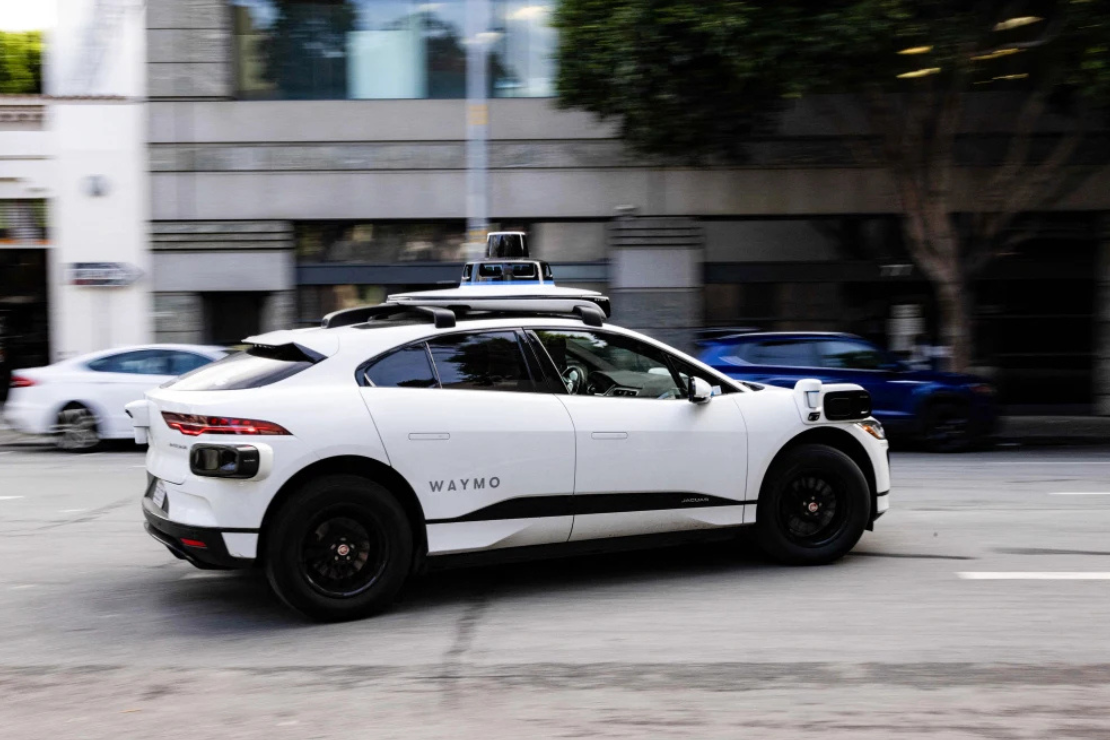
Waymo said Wednesday it is launching freeway access for its robotaxi service across Los Angeles, Phoenix, and the San Francisco Bay Area, marking its first major leap beyond surface-street travel. The move comes after years of controlled testing and signals a competitive escalation as autonomous vehicle companies race toward rider-only services.
Waymo’s leadership said expanding to freeways required extensive development, given the higher speeds and more complex predictive demands that come with highway driving. Co-CEO Dmitri Dolgov called the rollout “a long time in the making,” noting that full autonomy at scale meant mastering not just lane-changes and merges, but anticipating threats well in advance.
The company says it is the first in the U.S. to offer fully autonomous freeway rides without an in-car safety driver. For years, Waymo limited operations to city streets, citing caution over high-speed conditions. Company spokesperson Sandy Karp said the freeway expansion aligns with the milestone of surpassing 100 million driverless miles earlier this year.
Experts say the shift is significant but complicated. Cornell professor Wendy Ju said freeways can be “more controlled” because they lack pedestrians, but higher speeds create sharper safety risks. Predictive accuracy becomes critical: AVs must interpret behavior far down the road to avoid collisions or sudden lane violations.
During a 40-minute test run with NBC News last week, a Waymo vehicle merged onto and off freeways in Northern California, handled congestion, followed speed limits, and reacted to a driver attempting to cross a solid white exit-only lane. No interventions were needed.
Waymo’s freeway rollout lands as competitors escalate their own AV programs. Tesla began offering prototype robotaxi rides this summer in Austin and the Bay Area, though Tesla still requires employees inside vehicles. CEO Elon Musk has promised rider-only service soon.
Zoox, an Amazon-owned AV company, already runs a limited rider-only service in Las Vegas tied to set pickup points. Chinese tech firms are accelerating their own robotaxi fleets as well.
Waymo’s broader expansion includes plans to more than double the number of cities it serves, even eyeing cold-weather markets like Denver and Detroit. It is adding curbside pickup at San Jose International Airport and preparing a new fleet vehicle, the Zeekr RT. Earlier this year, Waymo partnered with Toyota to explore integrating its systems into privately owned vehicles.
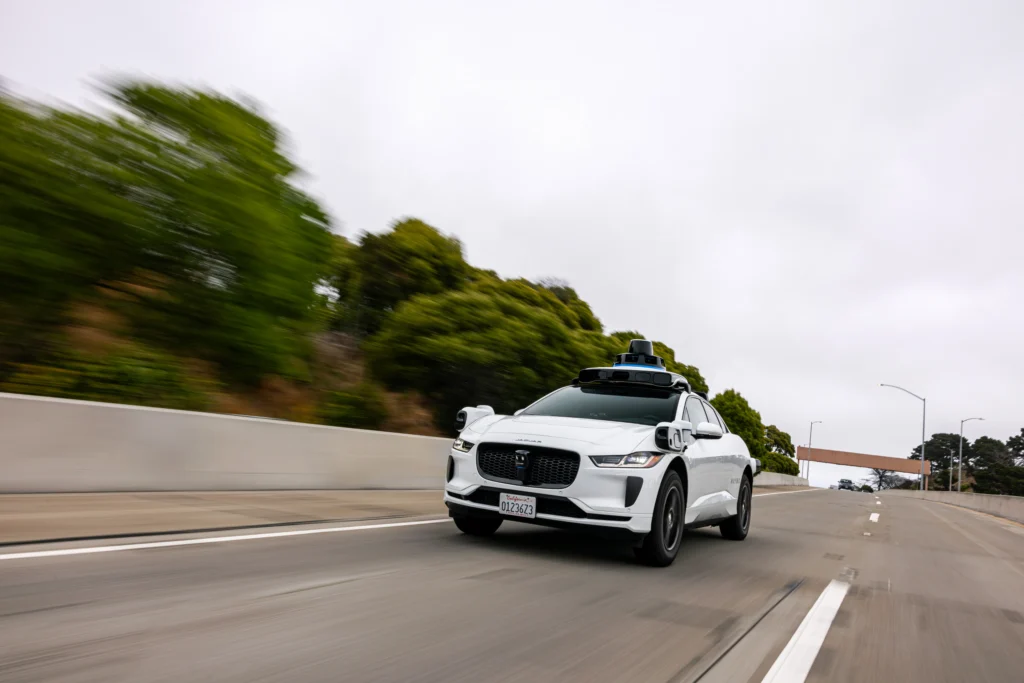
Similar to ridehailing apps, customers order Waymo rides on a smartphone, accept an upfront fare, and travel in vehicles driven purely by software. Waymo uses cameras and lidar sensors to navigate and predict behavior, while enforcing precise speed-limit compliance even when other drivers exceed limits.
Despite millions of clean miles, the autonomous vehicle field continues to face scrutiny. Cruise, formerly owned by GM, remains a cautionary cautionary example after California suspended its permits in 2023 when one of its AVs dragged a pedestrian. Waymo itself has had incidents, including striking a cat in San Francisco and becoming the target of vandalism.
Waymo has never recorded a human fatality, and Texas A&M professor Srikanth Saripalli credits the company with having “amazing” safety performance among AV developers. Still, he warns that Waymo’s strongest record is in warm-weather, grid-patterned cities. “They’ve been very careful about the kind of cities they want to drive in,” he said.
To prepare for freeways, Waymo said it studied hazards including hydroplaning, construction, aggressive lane-cutting, and high-speed impacts. The company has already given freeway rides to employees and guests for over a year and will roll out freeway service gradually instead of making it instantly available to every customer.
Waymo insists freeway robotaxis won’t worsen traffic congestion. Product manager Pablo Abad said the company has not seen its vehicles contribute to congestion in existing service areas.