





AT A GLANCE
- Hurricane Melissa made landfall in Cuba as an “extremely dangerous” Category 3 storm and has since weakened to Category 2.
- At least 36 people are dead across Jamaica, Haiti, and the Dominican Republic.
- Jamaica remains a disaster area after the strongest hurricane in its history.
- The U.S. response was delayed due to the government shutdown and the dismantling of USAID.
At Least 36 Deaths Are Being Attributed to the Storm Across Jamaica, Haiti and the Dominican Republic, According to Officials
Hurricane Melissa made landfall in Cuba early Wednesday morning as a powerful Category 3 storm, the National Hurricane Center in Miami confirmed. By 11 a.m. ET, the storm had weakened to Category 2 strength as it moved off Cuba into the Atlantic, heading toward the Bahamas, where heavy rain and flooding are expected.
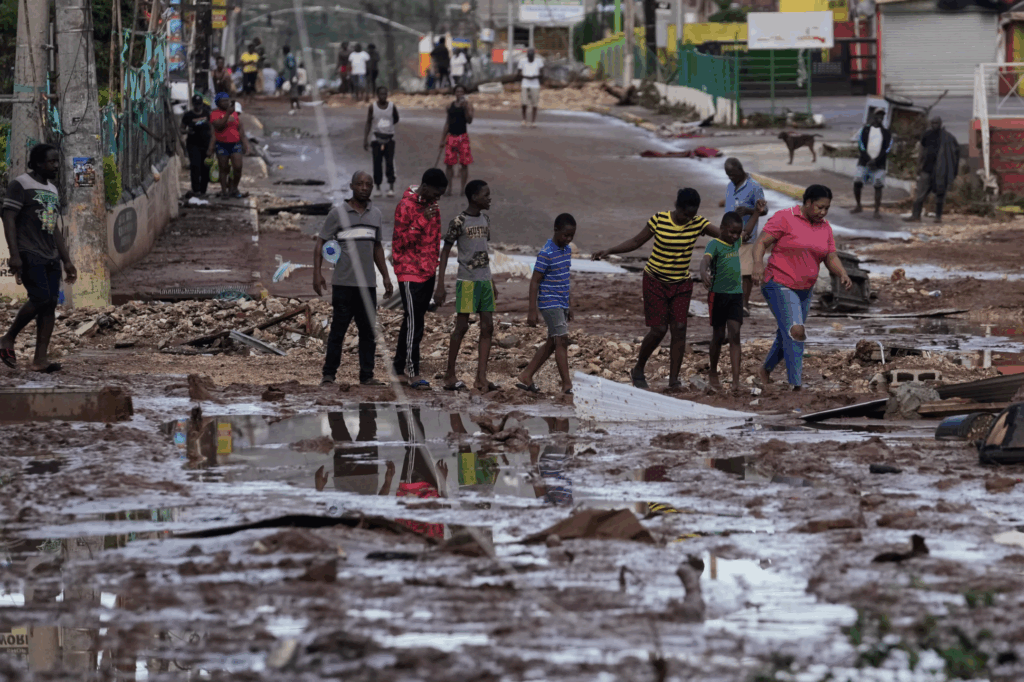
Melissa first struck Jamaica as a Category 5 hurricane around 1 p.m. ET Tuesday the strongest in the island’s recorded history. Prime Minister Andrew Holness declared the nation a disaster area, reporting that St. Elizabeth Parish was “underwater.”
The storm, the most powerful of the 2025 Atlantic hurricane season and one of the strongest ever in the Atlantic basin, left a trail of destruction across the Caribbean.
The U.S. government’s disaster response to Hurricane Melissa was slowed by the ongoing federal shutdown and the recent elimination of USAID, officials told NBC News.
According to one former and two current U.S. officials, the State Department was delayed in sending a Disaster Assistance Response Team (DART) to Jamaica ahead of the storm because of limited resources and staffing shortages. Under USAID—disbanded earlier this year after criticism from President Donald Trump and Elon Musk—a DART team would have been pre-positioned before the Category 5 hurricane made landfall.
Instead, with many federal employees furloughed and airports closed due to the storm, the U.S. team missed its deployment window. The State Department announced Wednesday morning that a regional DART team and urban search-and-rescue crews were now being sent to Jamaica and surrounding countries to assist recovery efforts.
“These teams are working with affected countries and local communities to determine what assistance is needed and with interagency, international, and U.S. military partners to coordinate emergency response efforts,” the State Department said in a post on X.
Officials warned that U.S. disaster relief will still reach the Caribbean but it will be “smaller, slower and less organized.”
A spokesperson confirmed that Jamaica’s formal request for assistance was received late Tuesday night, though informal appeals had been made days earlier. “You need a flexibility of an agency that can get out there as fast as possible,” said a former U.S. official. “And that’s the sad part.”
The U.S. Southern Command said it has begun planning to deploy a situational assessment team to evaluate on-the-ground conditions and determine the scale of humanitarian aid required. “Future decisions on potential U.S. support will be based on their assessments, but it is still too soon to speculate on what that support will consist of,” a SOUTHCOM spokesperson said.
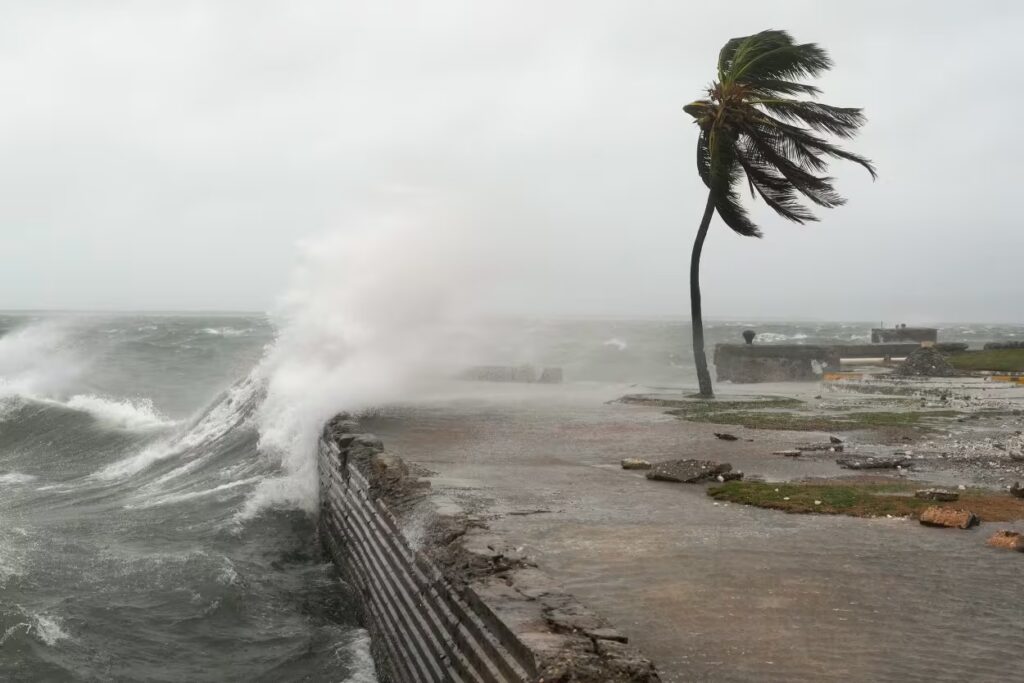
At least 36 deaths are being attributed to Hurricane Melissa across Jamaica, Haiti, and the Dominican Republic. Jamaica has reported seven fatalities so far, including an infant in St. James Parish whose home was struck by a falling tree.
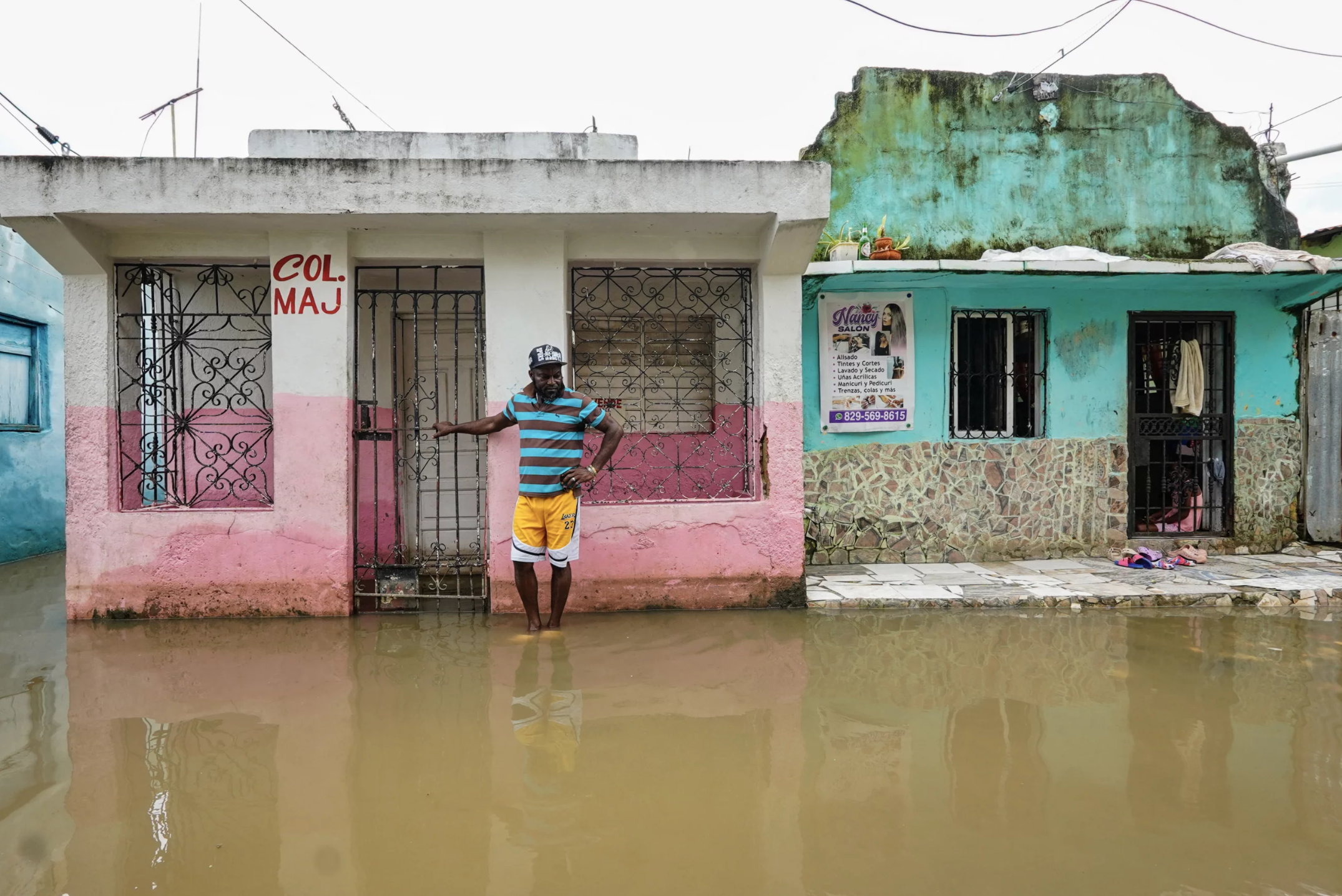
In Haiti, officials confirmed 28 deaths—25 of them in the coastal town of Petit-Goâve, where floodwaters swept through communities. In the Dominican Republic, one man died after being sucked into a sewer while clearing debris.
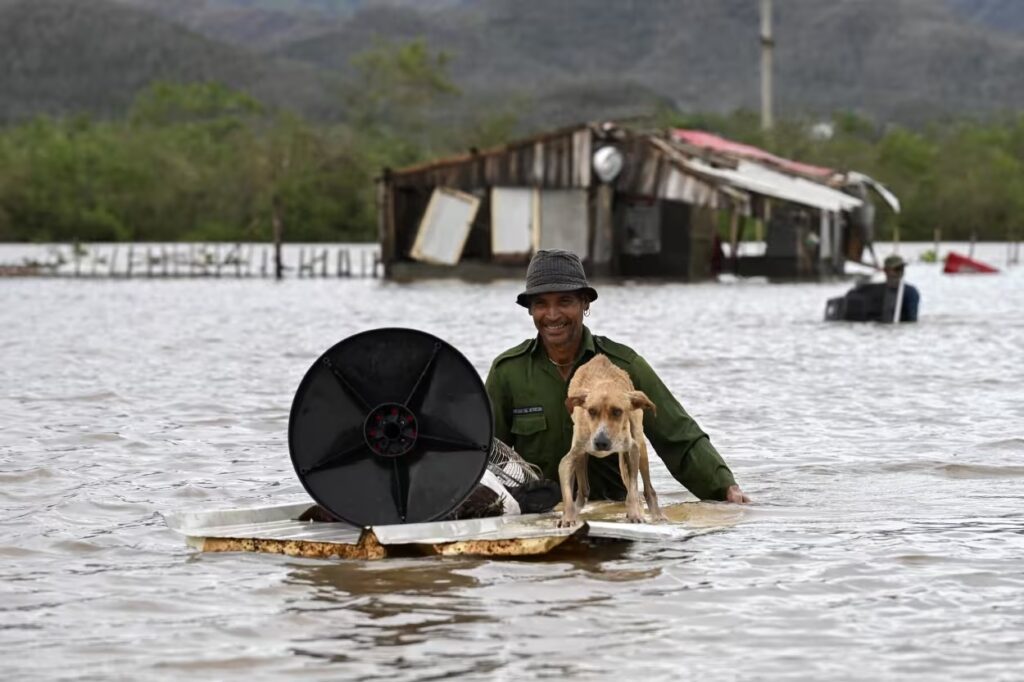
The storm left Cuba’s eastern provinces reeling with severe flooding, landslides, and structural collapse. The municipality of Guamá, where the hurricane made landfall, remains cut off by floodwaters.
Cuban Foreign Minister Bruno Rodríguez said the country is handling the crisis “with virtually no resources.”
Jamaica’s Transportation Minister Daryl Vaz announced that Norman Manley International Airport in Kingston and Ian Fleming International Airport in Saint Mary Parish will reopen Thursday morning for commercial flights. Relief flights began earlier today in Kingston and are scheduled to expand to Montego Bay’s Sangster International Airport.
Experts say Melissa embodies the new reality of hurricanes in a warming world—rapid intensification, longer rainfall periods, and devastating slowdowns near land. The storm strengthened at a blistering pace over unusually warm Caribbean waters and stalled over Jamaica, magnifying its destruction.
“These storms aren’t the same storms as a couple decades ago,” said Shel Winkley of Climate Central. “They’re growing stronger, faster, and lasting longer.”