




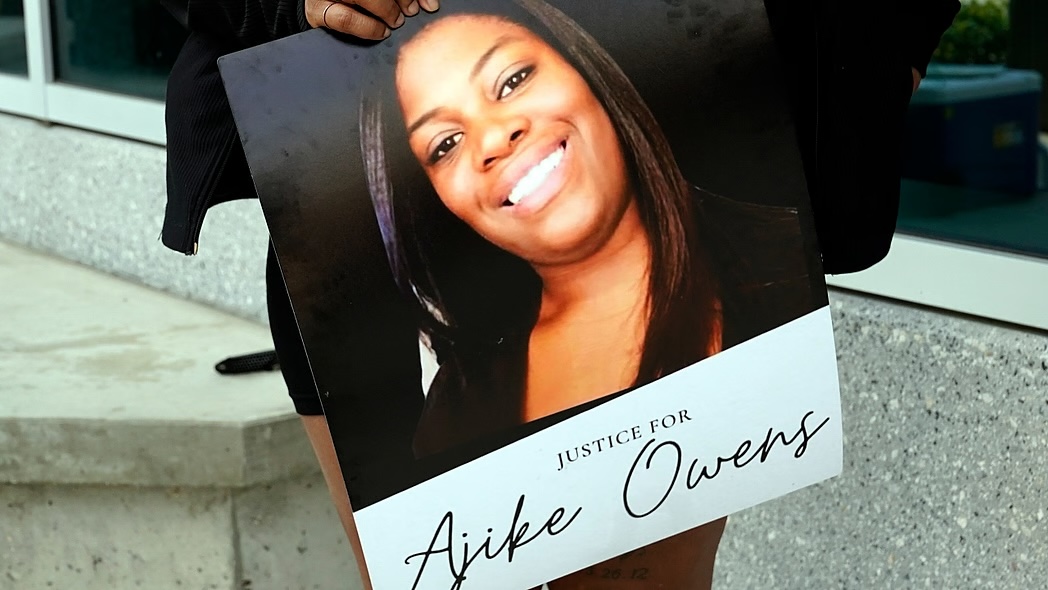
The Perfect Neighbor Tops Netflix Charts With Chilling True Story Told Entirely Through Body Cam Footage
Netflix’s The Perfect Neighbor skips the talking heads, analysts, and experts that typically fill true crime documentaries. Instead, director Geeta Gandbhir lets raw footage, two years’ worth of police body cam, Ring camera clips, and cell phone videos, unfold without commentary.
The result is a harrowing, unfiltered account of how tensions between Ajike Owens and her neighbor Susan Lorincz escalated into tragedy. Owens, a 35-year-old mother of four, was shot and killed through Lorincz’s front door in 2023 after a long-standing dispute.
Lorincz, who is white, claimed self-defense, but a Florida jury convicted her of manslaughter in 2024, sentencing her to 25 years.
Real Footage, Real Impact
“The world is creating its own media now,” Gandbhir told Variety. “This isn’t just a documentary trend—it’s the reality we live in.”
Her film lands squarely in that space, giving viewers the unmediated chaos of modern conflict: the disorienting blur of police lights, neighborhood ring notifications, and viral clips that define how tragedy is seen—and shared—today.
Since its release, The Perfect Neighbor has sat atop Netflix’s most-watched list. Viewers have praised its objectivity and emotional weight, with one calling it “the documentary of the year” and another saying it’s “so damn heartbreaking you can only watch it once.”
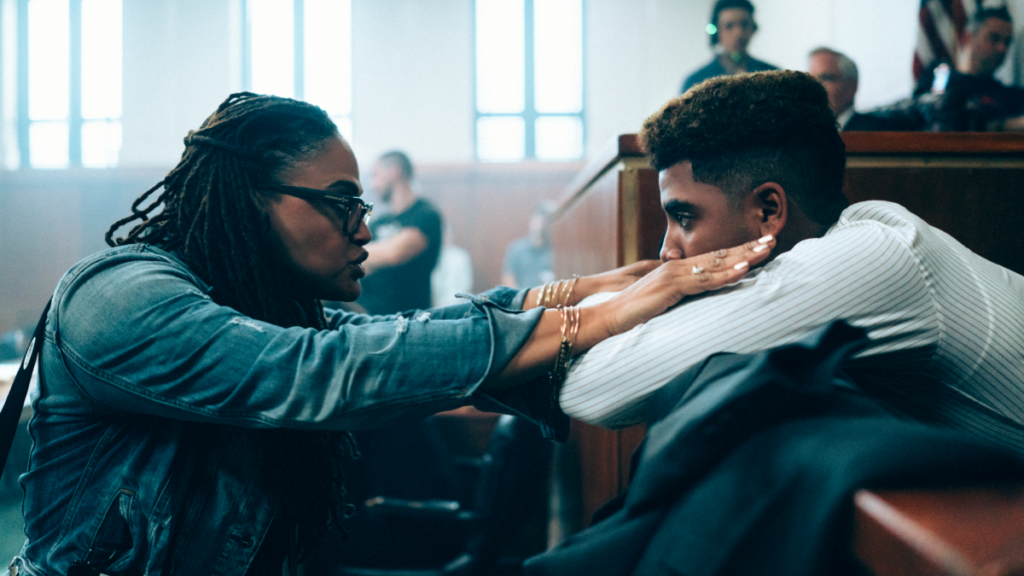
Echoes of Ava DuVernay’s When They See Us
The reaction mirrors that of Ava DuVernay’s 2019 series When They See Us—a project that redefined how audiences engage with stories about race, justice, and the human cost of systemic failure.
Online, users are describing The Perfect Neighbor as “blood boiling,” “gut-wrenching,” and “devastatingly necessary,” drawing attention not just to the tragedy itself, but to how it’s told: through the lenses of the devices that now mediate nearly every human interaction.