






AT A GLANCE
- D’Angelo, born Michael Eugene Archer, died at 51 after battling pancreatic cancer.
- The Grammy-winning artist released only three albums but forever changed R&B and neo-soul.
- His music blended gospel, funk, and raw emotion, inspiring artists from Erykah Badu to Anderson .Paak.
- Known for reclusiveness, his influence endures through the Soulquarians and countless protégés.
The Singer-Songwriter’s Three Albums — Brown Sugar, Voodoo, and Black Messiah — Were All Revered as Contemporary Classics
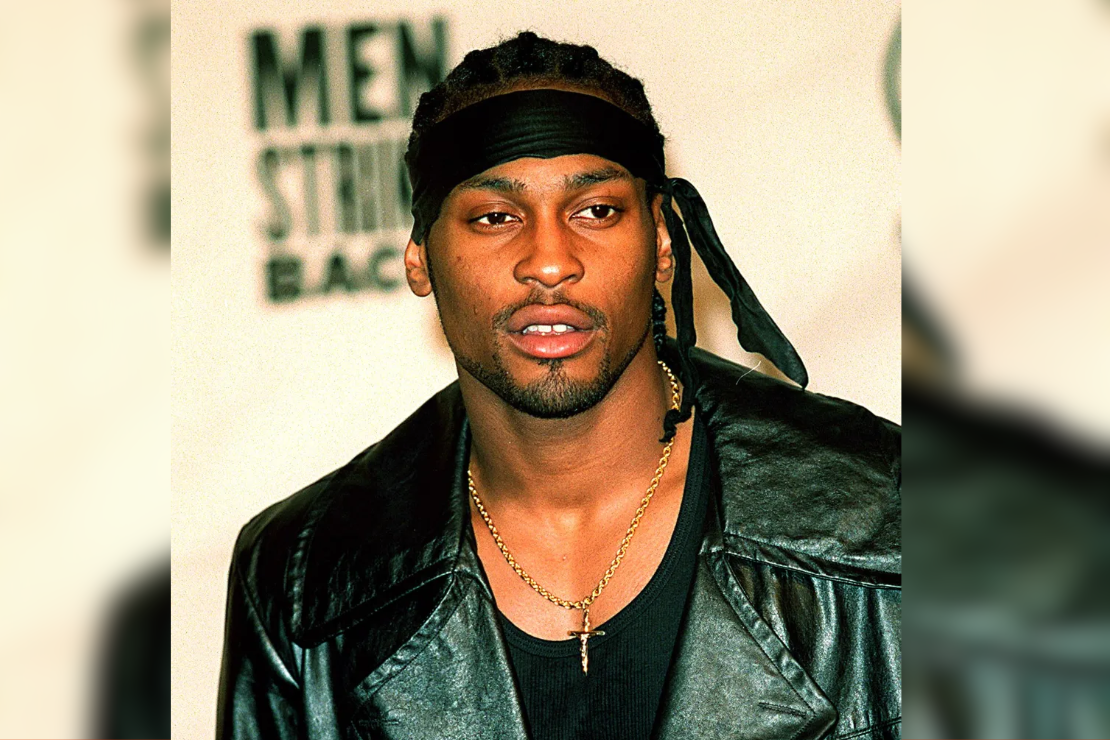
Neo-soul legend and “Brown Sugar” Grammy-winning artist D’Angelo has died after being diagnosed with pancreatic cancer, he was 51.
D’Angelo’s death closes the book on one of the most enigmatic figures in modern R&B. Born in Richmond, Virginia, on February 11, 1974, Michael Eugene Archer grew up steeped in gospel—his father was a Pentecostal minister—and by adolescence, he was already composing, producing, and performing in his local church. Music was his calling and his rebellion.
After a standout performance at Harlem’s Apollo Theater in 1991 with his group Precise, he moved to New York City, where he met attorney-turned-manager Kedar Massenburg—the future architect of “neo-soul.” That partnership would launch a sound rooted in analog warmth, church harmonies, and street grit.
‘Brown Sugar’ and the Rise of Neo-Soul
In 1995, Brown Sugar landed like a thunderclap. The debut fused R&B sensuality with gospel-infused chords and jazz undertones, instantly positioning D’Angelo as the reluctant face of a new movement. Hits like “Lady,” “Me and Those Dreamin’ Eyes of Mine,” and his lush take on Smokey Robinson’s “Cruisin’” proved that commercial success and musical sophistication could coexist.
Even as mainstream R&B veered toward glossy production, D’Angelo’s sound stayed grounded—organic, human, and impossibly groovy.
‘Voodoo’: The Cult Classic That Changed Everything
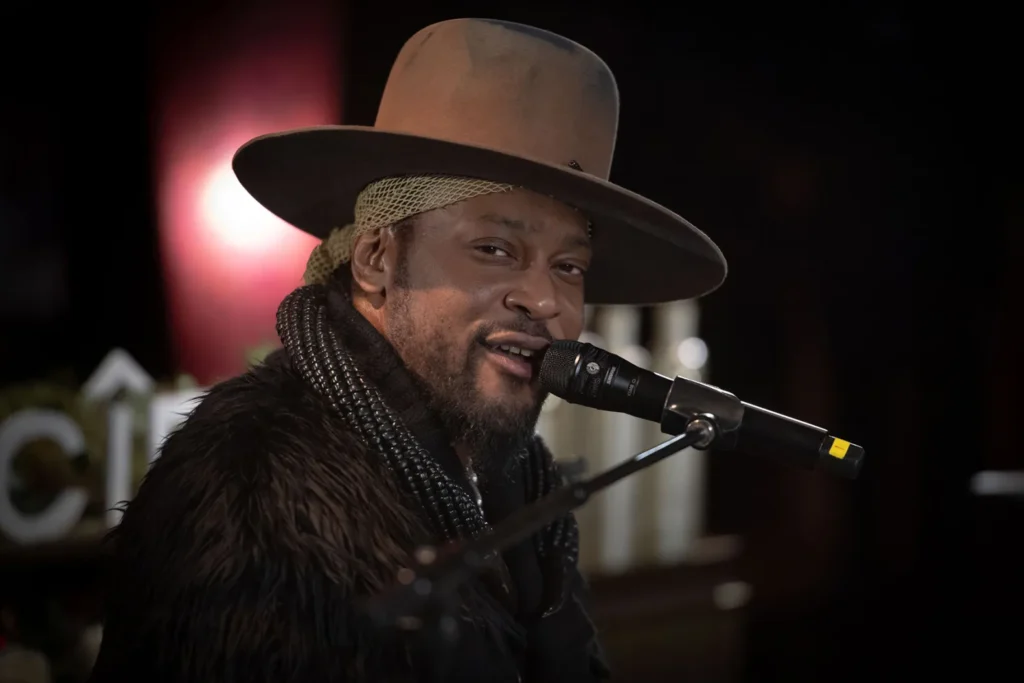
His sophomore album, Voodoo (2000), was born out of both new fatherhood—he and singer Angie Stone welcomed a son in 1998—and deep study of his musical heroes: Prince, Sly Stone, James Brown, and Jimi Hendrix. With Questlove as co-pilot, the album became a labyrinth of syncopation and soul.
“Devil’s Pie,” “Left & Right,” and “Untitled (How Does It Feel)” weren’t just songs; they were cultural earthquakes. The latter’s minimalist, intimate video turned D’Angelo into an unexpected sex symbol, even as he bristled under the glare of fame.
The Long Silence and Triumphant Return
Following Voodoo, D’Angelo retreated from the spotlight for over a decade, surfacing occasionally amid creative frustration and personal struggles. His fans, ever patient, were rewarded in 2014 with Black Messiah—a politically charged, spiritually raw masterwork credited to D’Angelo and The Vanguard.
The album debuted at No. 1 on the Billboard charts and earned widespread acclaim as a statement on race, resistance, and redemption in America. It confirmed what his absence had already proven: D’Angelo was never a trend; he was a foundation.
A Lasting Legacy in Sound and Spirit
D’Angelo’s influence threads through the DNA of modern R&B and hip-hop. As a founding force in the Soulquarians—alongside Questlove, Q-Tip, J Dilla, Erykah Badu, and others—he helped shape the sound of an era defined by groove, vulnerability, and experimentation.
Even his scarcity became part of his mythos. When he emerged for the Verzuz performance in 2021, fans saw it as both a reunion and a reminder: D’Angelo didn’t follow the culture; he set its pulse.
He is survived by three children—sons Michael Jr. and Morocco, and daughter Imani—but his truest legacy lives in the countless artists, from Alicia Keys to H.E.R., who trace their musical lineage back to him.
D’Angelo’s voice may have gone quiet, but the echo of his artistry still hums beneath every neo-soul chord progression and every whispered confession set to a bassline.