




AT A GLANCE
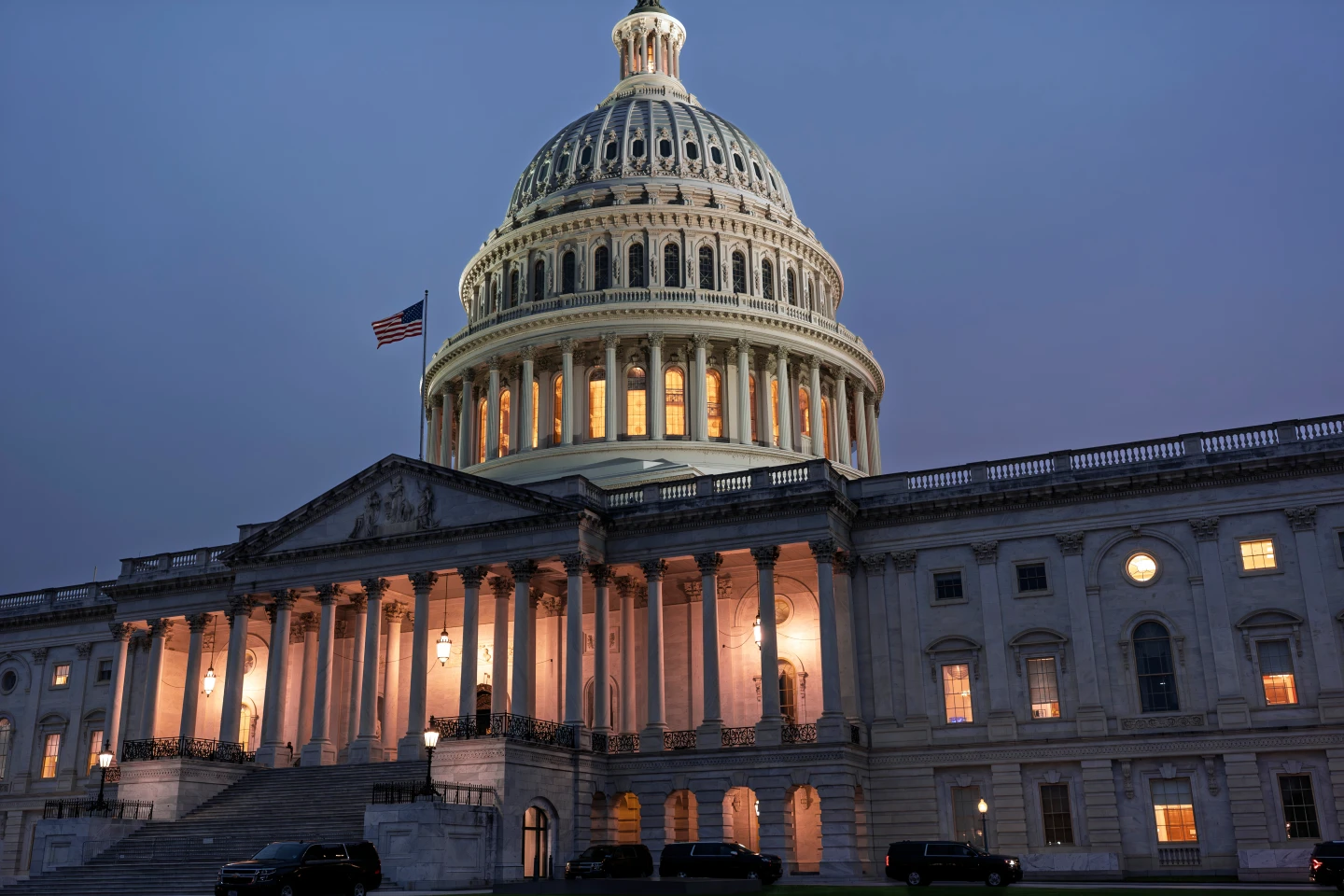
- The U.S. government shut down at midnight after Congress and Trump failed to reach a funding deal.
- Roughly 750,000 federal workers will be furloughed daily, while others are forced to work without pay.
- Democrats are demanding health care subsidies; Republicans insist on a “clean” bill with no concessions.
- No resolution is in sight, raising fears of a prolonged shutdown and nationwide economic fallout.
Shutdown Timeline Unclear As Democrats Demand Health Care Funds And Republicans Refuse “Hostage” Talks
The United States government entered a shutdown at midnight, launching a new period of uncertainty as President Donald Trump and congressional leaders failed to find common ground on a funding agreement.
This marks the nation’s first shutdown since 2018, when Trump presided over a record-long 34-day lapse. With both parties entrenched in starkly different positions, there is no clear exit strategy this time either.
Partisan Warfare Over Health Care
At the core of the dispute are health care subsidies under the Affordable Care Act that Democrats insist must be extended to prevent skyrocketing premiums for millions of Americans. Republicans, led by Senate Majority Leader John Thune, are refusing to fold those demands into a short-term funding bill.
Instead, GOP leaders pushed a “clean” continuing resolution to keep government spending flat until November 21, while negotiations continue on longer-term funding. Democrats rejected the plan as inadequate, accusing Republicans of playing politics with Americans’ health care.
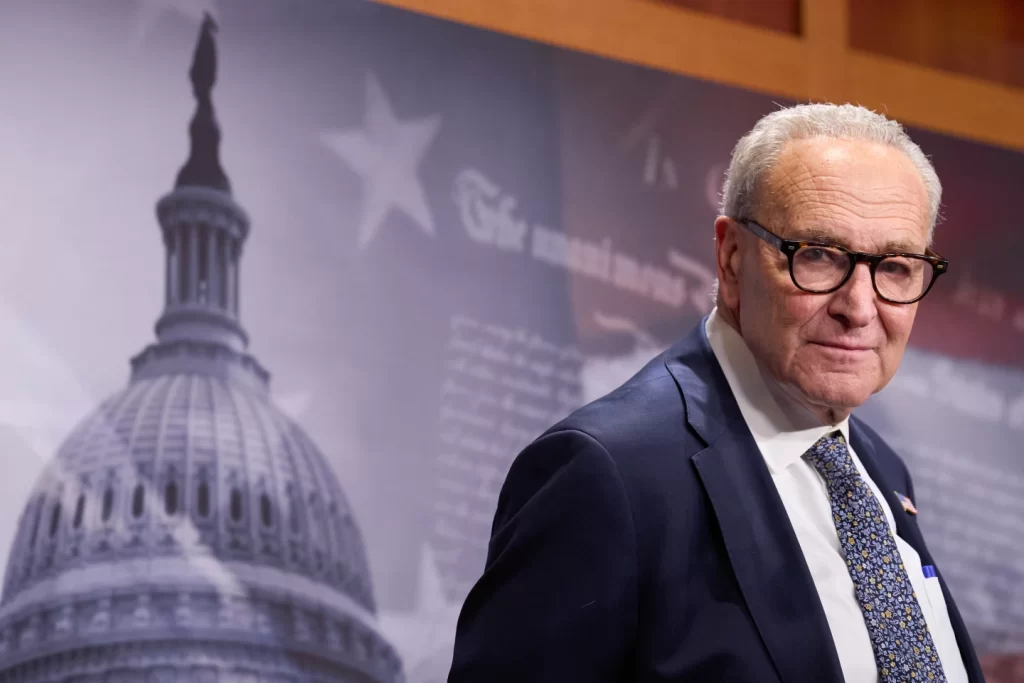
“Republicans are plunging America into a shutdown — rejecting bipartisan talks, pushing a partisan bill and risking America’s health care worst of all,” Senate Minority Leader Chuck Schumer said.
Fallout for Federal Workers and Services
The Congressional Budget Office estimates about 750,000 federal employees will be furloughed daily, with millions more working without pay in essential roles such as air traffic control, TSA screening, federal law enforcement, and the military. While workers are guaranteed back pay once the government reopens, the disruption is immediate: shuttered offices, delayed services, and households forced to manage without paychecks.
The cost of back pay alone is expected to reach $400 million. Meanwhile, Trump suggested the shutdown could become an opportunity to fire “many” federal employees permanently, advancing his broader push to shrink the federal workforce.
What Stays Open, What Shuts Down
National parks will remain open, but staffing shortages raise concerns over safety and resource protection. Smithsonian museums are expected to stay open through Monday. Medicare and Social Security benefits continue, though new applicants could face delays. Homeland Security and the Pentagon will remain active, though not fully staffed.
Trump’s Office of Management and Budget instructed agencies to prepare not just for furloughs, but for potential mass layoffs — a step beyond typical shutdown protocol.
Political Theater Turns Ugly
The fight has grown increasingly bitter. After meeting with Democratic leaders Schumer and House Minority Leader Hakeem Jeffries, Trump released an AI-generated video mocking the pair with racist imagery. Jeffries hit back:
“Mr. President, the next time you have something to say about me, don’t cop out through a racist and fake AI video. Say it to my face.”
The White House dismissed the criticism, with one aide calling the video “funny” and effective for drawing attention.
Public Opinion and the Blame Game
Polls show a divided electorate: a New York Times survey found 26% would blame Trump and Republicans, 19% would blame Democrats, and 33% said both equally. A Marist poll gave Republicans more of the blame at 38%, compared to 27% for Democrats.
Sen. Lindsey Graham predicted the shutdown could stretch into next week, if not longer. “I don’t think anything’s going to happen until the House gets back,” he said.
For now, the nation braces for the ripple effects. Federal services stall, workers go unpaid, and Washington remains locked in a stalemate with no offramp in sight. As Rachel Snyderman of the Bipartisan Policy Center put it: “Shutdowns only inflict economic cost, fear and confusion across the country.”