






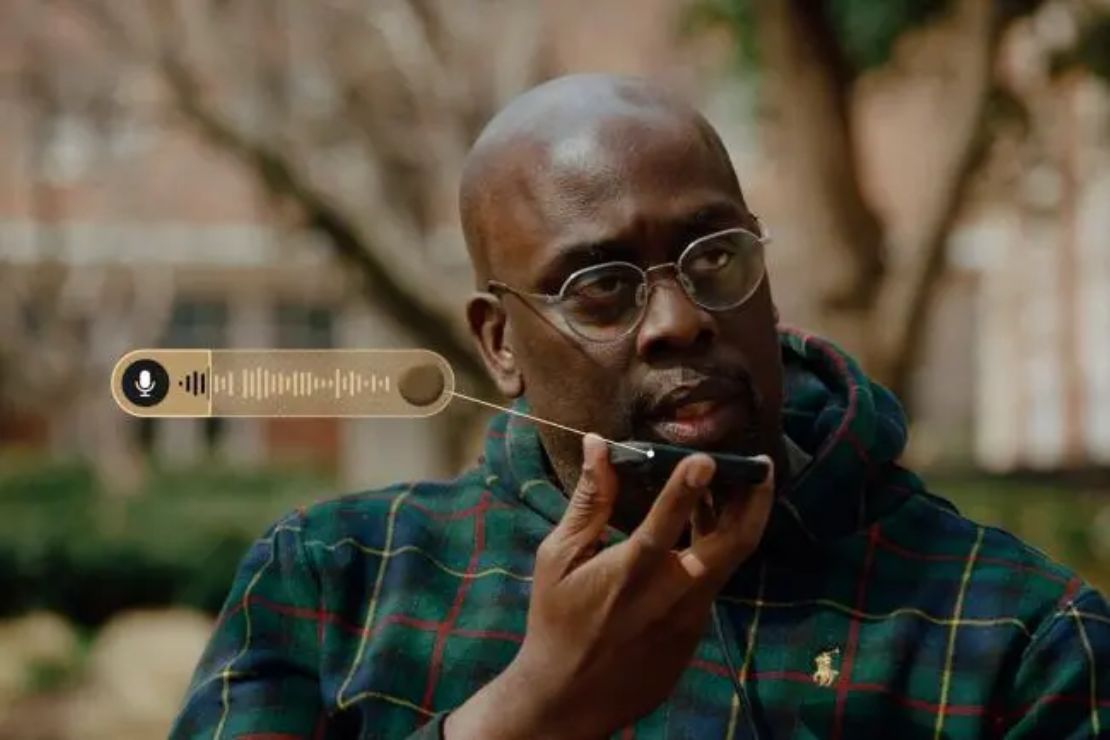
AI Is Finally Learning to Understand Black Voices
In a pioneering effort to eliminate racial bias in technology, Howard University has partnered with Google Research to launch Project Elevate Black Voices, an initiative designed to help artificial intelligence better understand African American English (AAE).
For years, voice recognition technologies have struggled to accurately interpret AAE, forcing many Black users to code-switch or alter their natural speech to be understood by digital assistants, smart devices, and automated systems. The collaboration between the prestigious HBCU and the tech giant is aimed at bridging this gap through a massive data-driven approach.
Building a Comprehensive Black English Dataset
The heart of this project is the creation of a specialized dataset that features over 600 hours of recorded speech from Black Americans across 32 states, capturing diverse dialects, accents, and speech patterns. This dataset will serve as a foundation for refining Automatic Speech Recognition (ASR) systems that have historically excluded or misinterpreted Black linguistic forms.
Community-Centered and Ethically Driven
Howard researchers ensured that the data collection process was community-led, hosting recording sessions in cities across the U.S. Participants shared their experiences with voice tech and recorded speech in settings designed to protect their privacy, dignity, and identity.
“This is about more than data. It’s about ensuring our voices are recognized in a way that is both accurate and respectful,” said Dr. Lucretia Williams, a project lead from Howard.
Shared Ownership and Access
Howard University retains full ownership and licensing rights over the dataset, which is initially being made available to HBCUs and approved researchers. Google will access the data to improve its speech recognition technologies, but the terms ensure that the dataset benefits the Black community first, with broader access planned for organizations that align with the project’s equity standards.
“African American English has shaped U.S. culture, music, and language,” said Dr. Gloria Washington, another Howard professor on the team. “Our technology should reflect that reality.”
A Path Toward More Inclusive AI
This partnership not only marks a significant step in closing technological gaps but also establishes a model for ethical data stewardship in AI development. By centering Black voices in AI training, Project Elevate Black Voices hopes to set new industry standards for equity, accuracy, and representation.
For more updates and information, visit Howard University’s official website or Google Research news portals.