






2025 Essence Festival of Culture Faced Celebrations, Criticism, and a Cultural Reckoning
The 2025 Essence Festival of Culture returned to New Orleans with signature Black pride, star-studded performances, and community energy—but this year’s edition also laid bare growing pains beneath the surface. While fans enjoyed performances from Boyz II Men, Lauryn Hill, Jill Scott, Babyface, Maxwell, and Buju Banton, the weekend also sparked conversation around leadership transparency, cultural representation, and production breakdowns that challenged the event’s legacy.
Music, Joy, and Southern Black Culture
Known as “Your Auntie’s Festival,” Essence Fest has long been a cornerstone of Black culture during Fourth of July weekend. Daytime events like BeautyCon, Suede Men’s Lounge, and the Food & Wine Series highlighted the blend of style, wellness, and Black excellence that defines the festival.
Even amid long lines and delays, the energy around brand activations and community engagement remained strong. Locals welcomed visitors like family, and festivalgoers flooded social media with love for the food, vibe, and joy of simply being surrounded by Black brilliance.
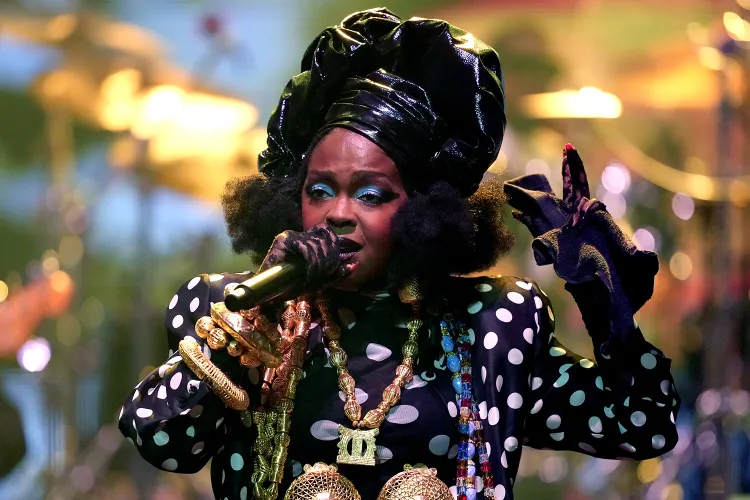
But by night, the evening concerts at Caesars Superdome were plagued by delays and technical issues. Lauryn Hill’s set didn’t begin until 2:30 a.m. and played to a largely empty Superdome. While ESSENCE took responsibility for the scheduling chaos, it was only one layer of a much deeper conversation taking place.
Cultural Tensions Over Pan-Africanism and Representation
Beyond the logistical issues, the Essence Festival’s cultural direction faced criticism. A growing chorus of online voices, including TikTok creator @deja.zhane and digital entrepreneur Rob Smith, accused the festival of drifting away from its Black American roots in favor of Pan-African inclusivity. Some attendees voiced concern that the historical focus on Black Americans—particularly descendants of U.S. slavery and Southern Black traditions—was being diluted.
Some attendees welcomed the expanded lens. Others saw it as a co-opting of sacred cultural space. While many critiques were based in cultural preservation, others veered into xenophobia, with blanket attacks on African immigrants and leadership.
Caroline Wanga Responds to Leadership Scrutiny, ESSENCE Defends Lauryn Hill and Event
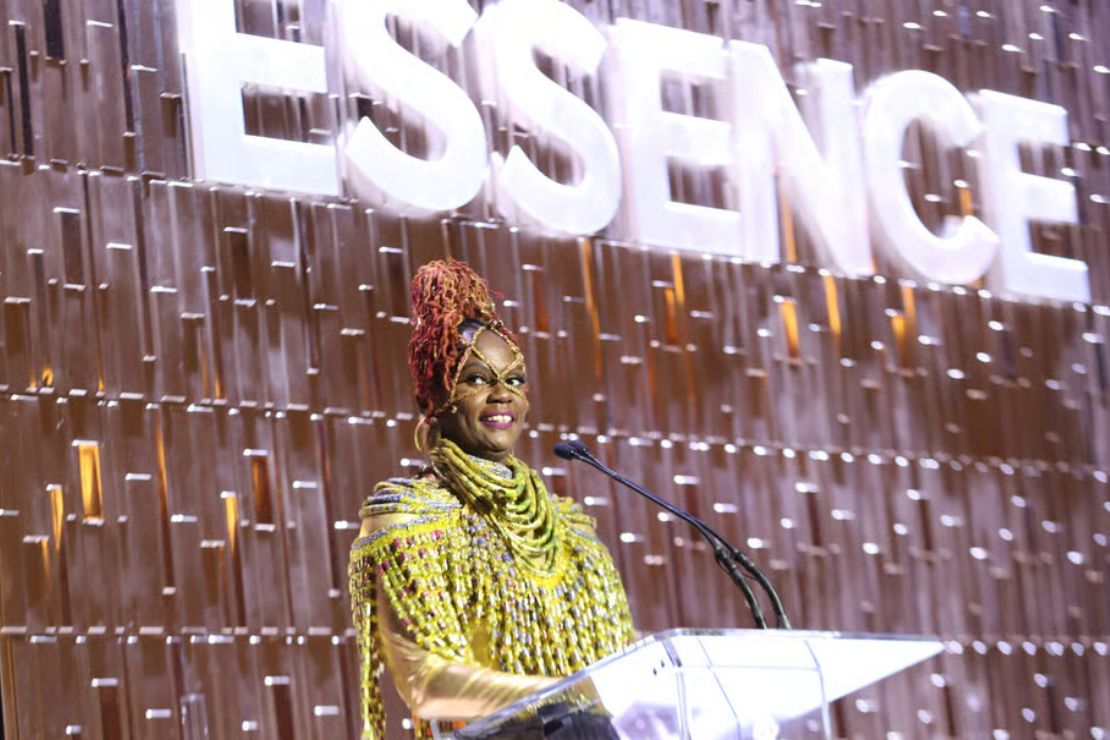
At the center of the storm was Caroline Wanga, Essence Ventures President and CEO and a first-generation Kenyan immigrant. After a weekend of scrutiny and speculation, Wanga posted on Instagram July 10, responding to criticism and clarifying her role.
“Some missing knowledge has led to false assumptions regarding my leave as President/CEO,” she wrote, referencing her memoir and stating she had not been involved in this year’s festival planning due to being on leave.
While Wanga acknowledged the need for constructive dialogue, she condemned “sensationalized slander without proof” and affirmed her pride in her heritage and commitment to “democratizing authenticity” for all Black people.
Following the backlash over Lauryn Hill’s late performance, ESSENCE issued a statement defending the artist and taking full responsibility for the scheduling issue.
“Family is family, and around here we protect our own no matter what the PEOPLE have to say,” the caption read on an Instagram post featuring clips from Hill’s set, which didn’t start until 2:30 a.m. and ended after 3:30 a.m.
Still, many fans called for greater transparency, better logistics, and clearer communication moving forward. Others praised the festival for continuing to hold space for Black cultural celebration, even amid its growing pains.
The Essence of Essence: Celebration or Conflict?
As the 2025 Essence Festival closed out its 31st year, it raised important questions about identity, inclusion, and leadership. Can Essence continue to evolve while staying grounded in its original purpose? Is there room for the entire Black diaspora in spaces originally created by and for Black Americans from the South?
With over $300 million in local impact and decades of legacy, Essence Festival remains a vital pillar of Black culture. But as it grows, so does the pressure to define what—and who—it truly represents.