




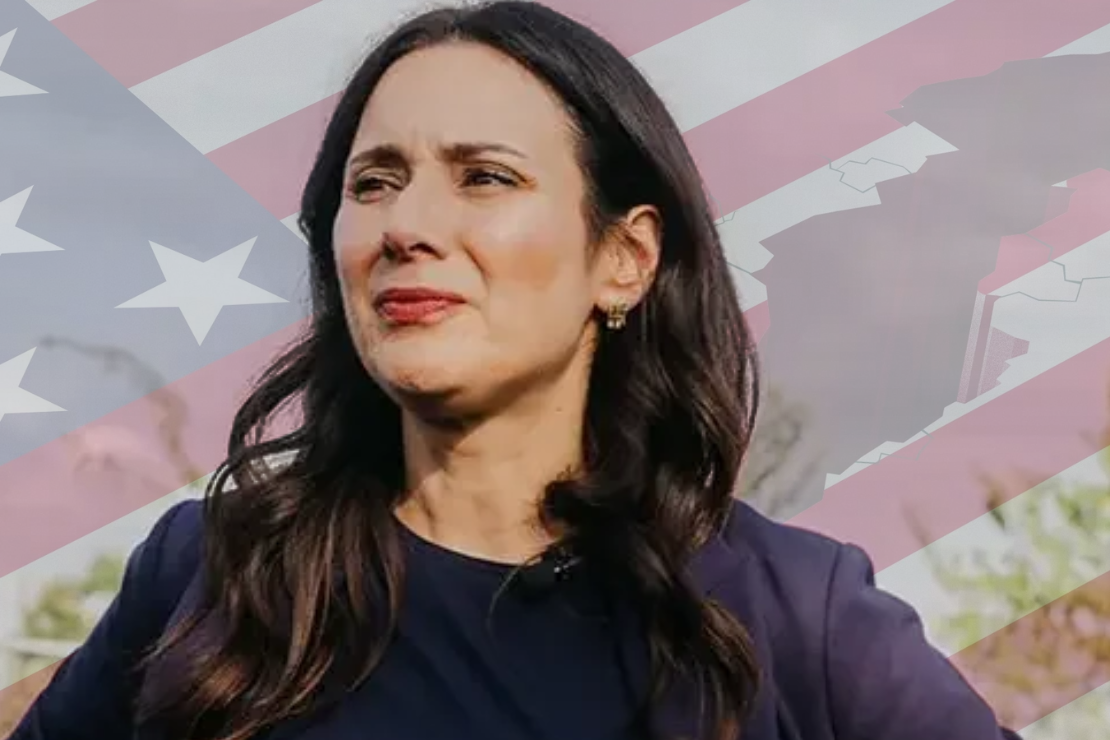
Texas Governor-elect Gina Hinojosa has pledged to move away from culture wars and focus on traditional governance, emphasizing cooperation on issues like border security while advocating for accountability. Her election signals a potential shift in Texas politics toward addressing everyday concerns rather than ideological battles.
- Hinojosa stated she was not elected to engage in culture wars and aims to focus on governing.
- She has communicated with President Trump about border security and expressed willingness to collaborate.
- Her victory is seen as a return to traditional politics focused on common issues rather than political outrage.
- The article highlights ongoing political divisions in the U.S. since 2019, including events like Black Lives Matter protests and the January 6 Capitol attack.
- While promoting cooperation, the article stresses the importance of accountability for past political actions, particularly regarding the Trump administration.
Gina Hinojosa Promises an End to Texas’ Culture Wars, but Can Americans Move Beyond Political Division Without Forgetting Who Fueled It?
“I’m not doing culture wars. That’s not what I was elected to do.”
That’s what Texas Governor-elect Gina Hinojosa told the Texas Tribune in a November 18 interview, just weeks after defeating Republican Gov. Greg Abbott.
She also revealed that she had spoken with President Donald Trump about border security, expressing her willingness to work with his administration to secure the border while pursuing an approach that works for Texans.
“He understands my commitment to keeping a secure border,” Hinojosa said.
Though as Hinojosa prepares to take office in January, I find myself wondering whether her approach represents something bigger than a change in Texas politics.
Will society follow?
Years of Political Divide and Exhaustion
Think about everything Americans have experienced politically since 2019.
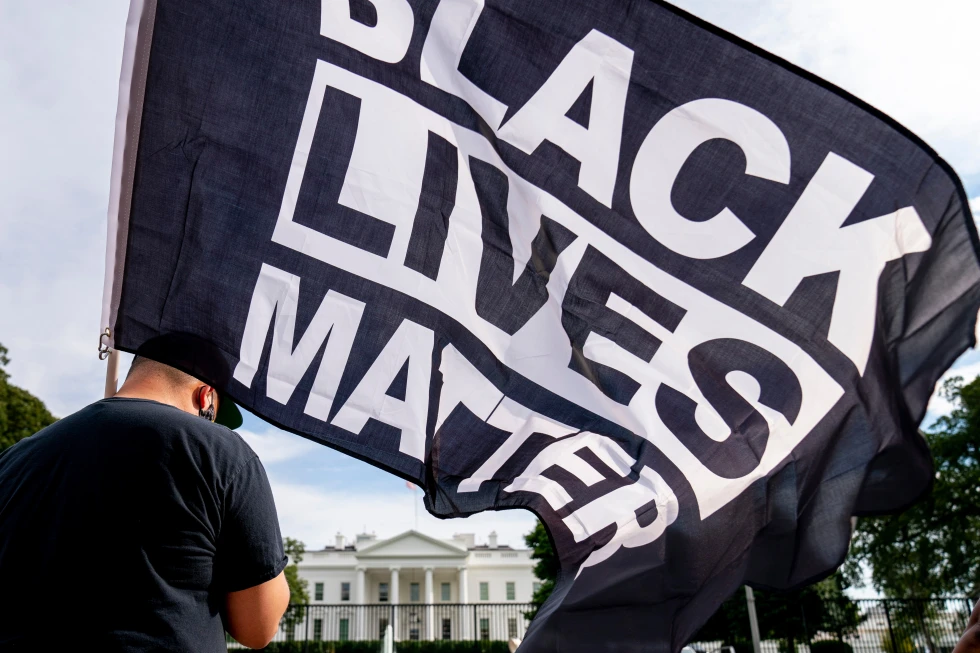

Black Lives Matter, COVID-19, the 2020 election, January 6, MAGA, immigration battles, attacks on diversity programs and endless culture wars.
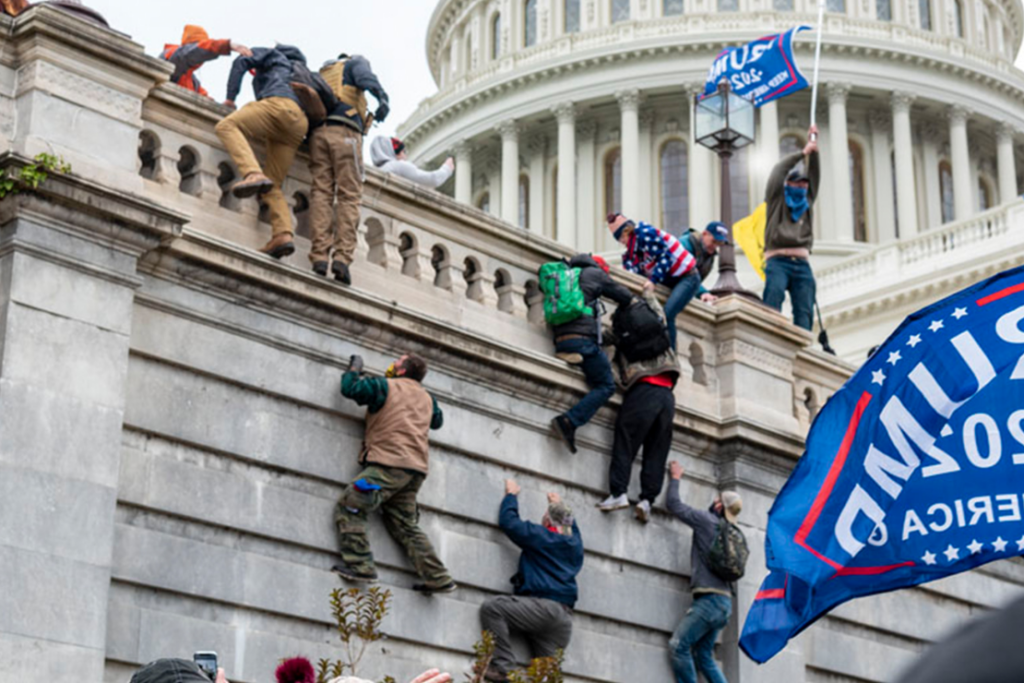

For years, practically everything has become political. From what schools teach our children to what companies advertise, Americans have been pushed into choosing sides. We’ve become so accustomed to political outrage that the idea of elected officials simply governing, compromising and doing their jobs almost sounds revolutionary.
When I interviewed Hinojosa in August, she talked about restoring the American dream, saving public schools and putting money back into Texans’ pockets.
“People want change. They are tired of politics as usual. Nobody can afford it anymore,” Hinojosa said.
The Return of Normal Politics?
Hinojosa’s victory represents a return to a more traditional approach to politics, one where candidates appeal to the common man by focusing on everyday concerns rather than being the loudest person in the room. It’s an approach we’ve seen throughout our political history, and one that politicians like Hinojosa and James Talarico have brought to Texas politics.
After years of Trump, Abbott, Ken Paxton and others corrupting government and turning political disagreements into ideological battles, perhaps voters are becoming tired of the extremes that often amount to nonsense.
We’ve spent years watching political disagreements destroy friendships, divide families and turn neighbors against one another.
Not only is Hinojosa’s win a sign, but her approach after the election gives insight that Americans are ready to move beyond political division and return to a time when governing mattered more than political outrage.
Normalcy Without Forgetting
However, moving forward does not mean forgetting who brought us here.
“He [Trump] indicated his desire to help Texas, and any friend of Texas — anybody who wants to help Texas — is a friend of mine.” Hinojosa said.
Her willingness to cooperate is commendable and necessary if we’re going to move forward. However, cooperation should never come at the expense of accountability and holding the Trump administration accountable isn’t Hinojosa’s responsibility. That belongs to Congress, its leadership and, more importantly, society itself.
Along with others, Observer columnist Mario Salas criticized nominated house leader Hakeem Jeffries over the prospect of political reconciliation without accountability for the Trump administration. Salas drew a historical comparison to Reconstruction, when former Confederate leaders escaped meaningful punishment and reconciliation allowed many of the same power structures that upheld slavery to survive.
In a recent New York Times interview, Jeffries emphasized that Democrats are willing to find common ground with Trump while pursuing congressional oversight and accountability for his administration.
The politicians who promoted division, encouraged hostility and supported policies that harmed communities should not simply escape scrutiny because the political climate has changed. What good is restoring normalcy if the people who undermined it face no consequences?
Hinojosa could represent a return to reasonable politics but society has a responsibility, too.
We can disagree without hating one another, we can compromise, and move forward without rewriting the past like supporters of the divide will tell you.
Until then, good night and good luck.


