




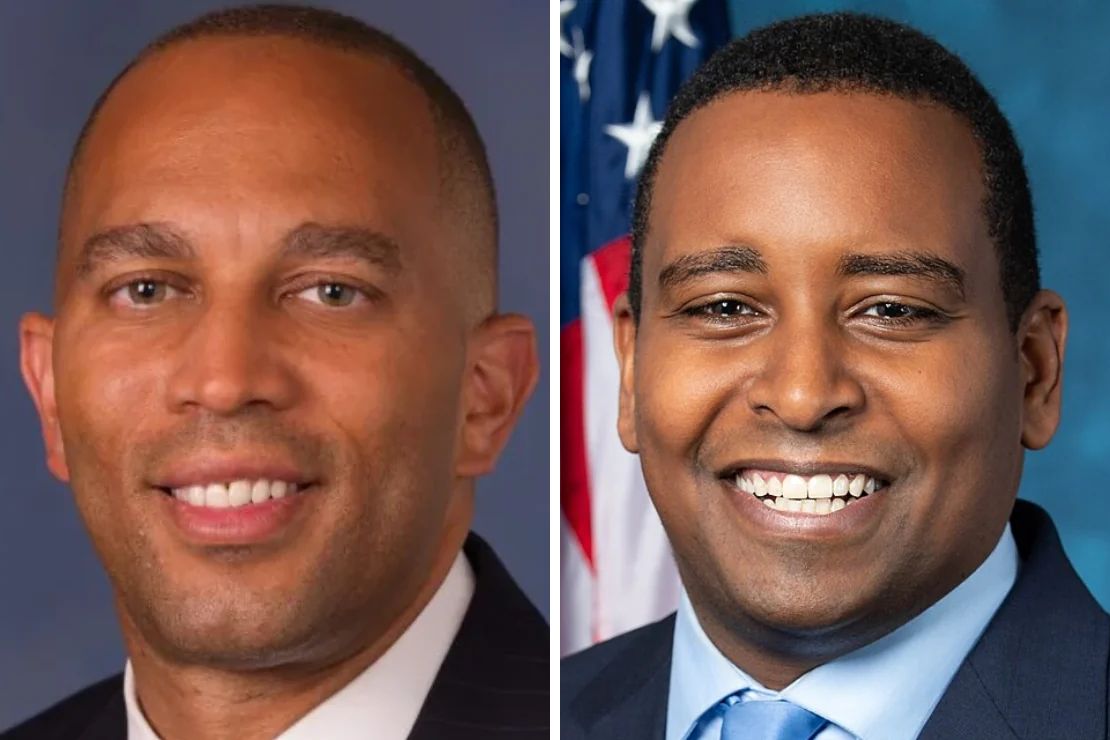
Following the November midterm elections, Representatives Hakeem Jeffries and Joe Neguse are set to make history as the first Black speaker and first Black assistant speaker of the U.S. House, respectively, marking significant milestones in congressional leadership. Their leadership roles coincide with a growing Congressional Black Caucus and ongoing discussions about political accountability and representation.
- Hakeem Jeffries was overwhelmingly nominated by House Democrats to become the first Black speaker of the House.
- Joe Neguse was unanimously elected as the first Black assistant speaker and is the youngest lawmaker to hold the position.
- Jeffries previously made history in 2023 as the first Black lawmaker to lead a major political party in Congress.
- The Congressional Black Caucus is expected to grow to a record 64 members following the 2024 elections.
- Jeffries and Neguse's leadership comes amid debates over policy priorities, accountability, and bipartisan cooperation.
Two Black Lawmakers Are Preparing to Take on Some of the Most Powerful Positions in the U.S. House, Marking a Historic Moment for Congressional Representation
Now, following the November midterm elections, two Black congressmen are preparing to make history at the highest levels of leadership in the U.S. House of Representatives.
New York Rep. Hakeem Jeffries is positioned to become the first Black speaker of the House, while Colorado Rep. Joe Neguse has been elected the first Black assistant speaker, placing both men at the forefront of a new Democratic majority.
Their rise comes during a transitional period for Black political leadership. In Texas, longtime state Rep. Senfronia Thompson is preparing to become the first Black person and first woman to lead the Texas House of Representatives.
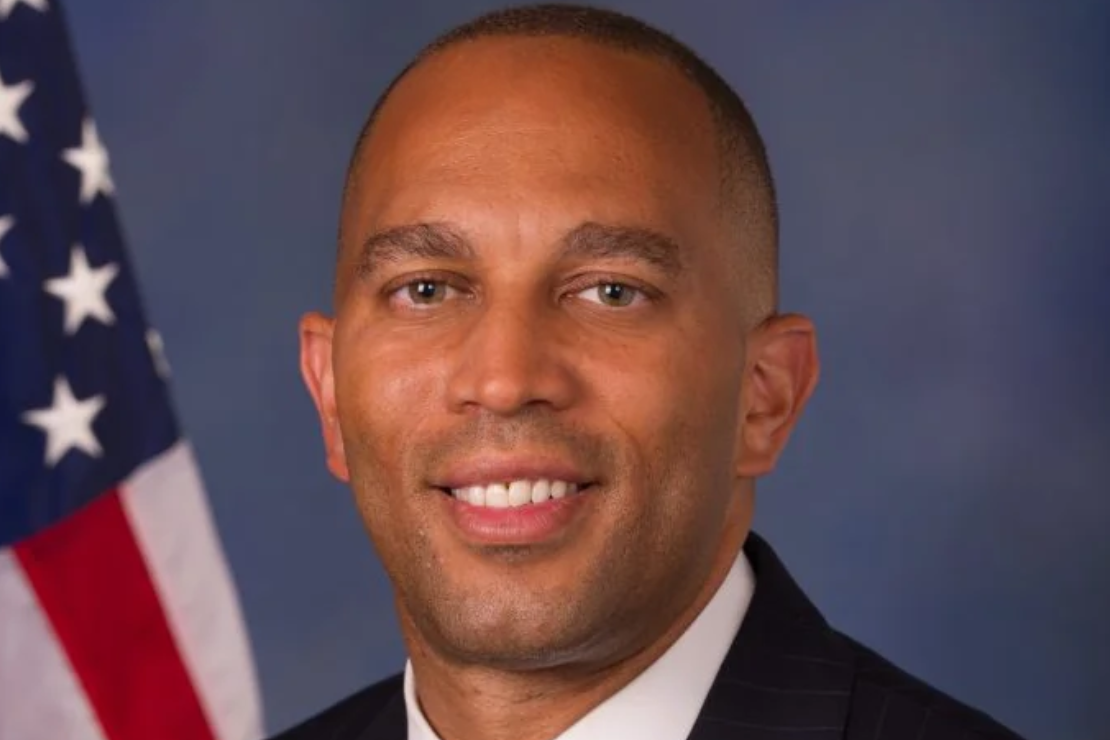
On November 18, House Democrats overwhelmingly nominated Jeffries for speaker, giving the Brooklyn Democrat 251 votes to 11 during a closed-door leadership election.
Jeffries, 56, already made history in 2023 when he became the first Black lawmaker to lead either major political party in Congress. His anticipated election as speaker would place him second in the presidential line of succession, behind the Vice President JD Vance.
Yet Jeffries’ rise has not come without opposition.
As reported, progressive activists have challenged his leadership over issues including health care, immigration, campaign contributions and U.S. military assistance to Israel.
Others have also challenged Jeffries and the Democrats’ approach to holding Trump and his administration accountable. In a recent commentary, Mario Salas questioned Jeffries’ commitment to accountability and his willingness to engage with political opponents, particularly following his August meeting with Jared Kushner
Civil rights leader Rev. Al Sharpton defended Jeffries during a Brooklyn church service, pointing to his record on policing and civil rights.
“When we was marching, he was legislating,” Sharpton told the congregation.
In a recent interview with The New York Times, Jeffries said Democrats intend to hold the Trump administration accountable through congressional oversight and investigations, while remaining open to bipartisan cooperation on issues affecting Americans. He also outlined plans to reverse Medicaid cuts, restore SNAP benefits and strengthen congressional oversight, insisting that the House would serve as a check on presidential power.
For Jeffries, the challenge will extend beyond the historic achievement. His leadership will be measured by how effectively Congress addresses voting rights, economic concerns, government accountability and the priorities of the voters who helped return Democrats to power.
Joe Neguse Makes History as Assistant Speaker
While Jeffries prepares for the speaker’s gavel, Neguse is making history in his own right.
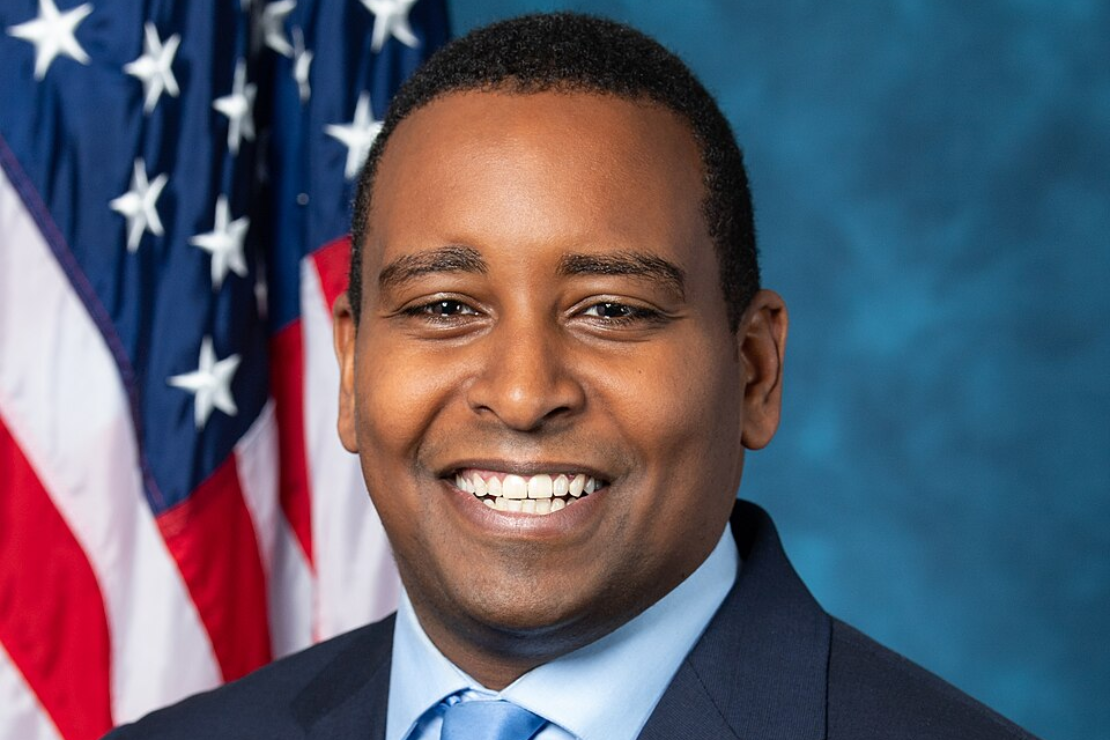
The 42-year-old Colorado Democrat was unanimously elected assistant speaker on November 18, becoming the first Black member selected for the position and the youngest lawmaker to attain the role.
Neguse, the son of Eritrean immigrants, became Colorado’s first Black member of Congress when elected in 2018. His political career has included serving on House Democratic leadership teams and working on major legislative priorities.
He also served as a House impeachment manager during Donald Trump’s second impeachment trial following the January 6, 2021, attack on the U.S. Capitol.
As assistant speaker, Neguse will occupy the fourth-highest-ranking position in House leadership.
His selection is part of a changing Democratic leadership team that also includes Katherine Clark as majority leader, Pete Aguilar as majority whip and Ted Lieu as Democratic Caucus chair.
Federal Black Leadership Holds Strong
Meanwhile, the Congressional Black Caucus (CBC) is expected to grow from 62 to a record 64 members.
According to Reuters, the November elections will send 13 newly elected Black Democrats to Congress, the largest incoming class in more than three decades. However, the total number of Black House members could decline slightly. So far, 58 Black candidates have won House seats, compared with 61 currently serving, with two Louisiana runoff elections still pending.
Despite that potential decline, the Senate will have a record seven Black members, while the Congressional Black Caucus, which includes lawmakers from both chambers, is expected to grow from 62 to a record 64 members.
While the matter of representation and the number of seats held still holds strong, the power of those seats carries. With the likes of Thompson, Jeffries and Neguse ascending to historic leadership positions at the state and federal levels, Black lawmakers are gaining greater authority over decisions shaping the nation, even as questions remain about whether those gains will translate into meaningful progress for our communities.


