




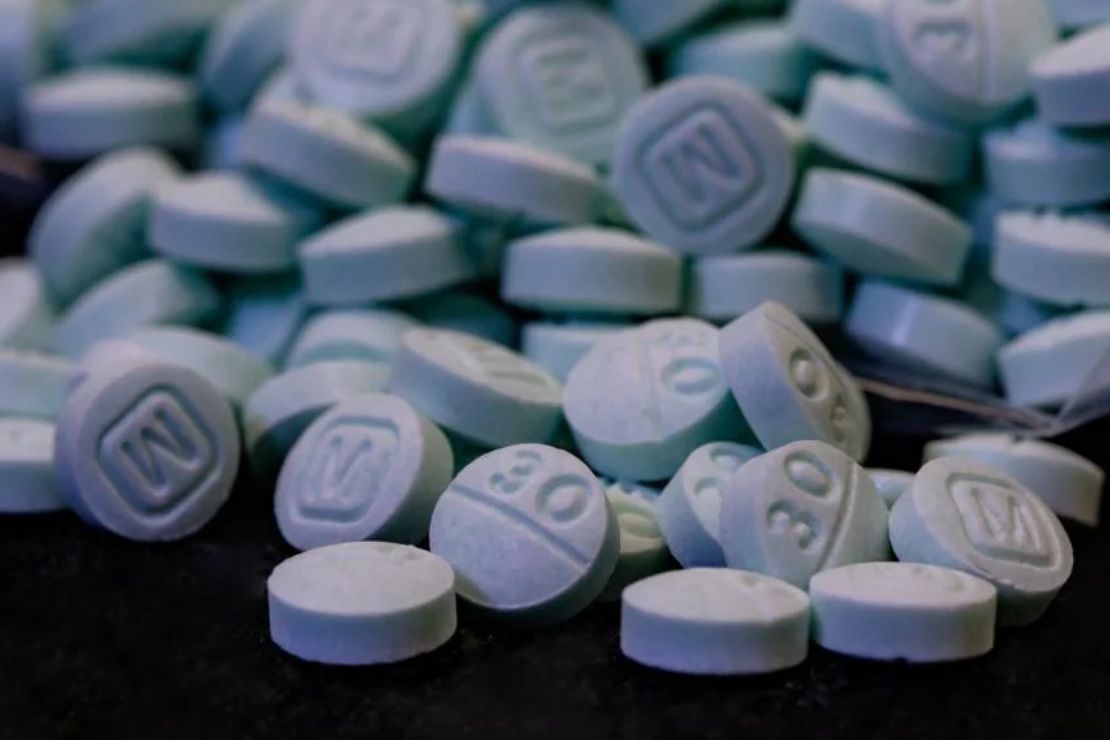
An Associated Press investigation revealed that DEA agents in New Mexico allowed about 1.4 million fentanyl pills to be trafficked over eight months while pursuing a larger drug trafficking organization, despite President Trump's efforts to combat fentanyl. The operation, which began under the Biden administration and continued into Trump's term, has led to federal scrutiny, local lawsuits, and increased overdose deaths in New Mexico.
- DEA agents knowingly allowed approximately 1.4 million fentanyl pills to be trafficked over eight months in New Mexico.
- The operation aimed to pursue a larger drug trafficking organization, resulting in a seizure of 4 million fentanyl pills in April 2025.
- The Justice Department relaxed fentanyl seizure guidelines in 2024, giving federal agents greater discretion.
- New Mexico experienced a 44% increase in fentanyl overdose deaths in 2025 and declared a state of emergency.
- The DEA maintains its actions were lawful and coordinated with federal prosecutors amid ongoing investigations and lawsuits.
Federal Agents Allowed Fentanyl Shipments to Continue for Months Despite Trump’s Pledge to Combat the Crisis
A new investigation by the Associated Press has revealed that Drug Enforcement Administration (DEA) agents in New Mexico knowingly allowed approximately 1.4 million fentanyl pills to be trafficked over an eight-month period.
The findings contradict previous denials by federal officials that the agency knowingly allowed the deadly narcotic to reach the streets.
The AP investigation, examined court documents, investigative records and surveillance footage. Nearly all of the unseized pills remain unaccounted for.
The revelations come as President Donald Trump has made combating fentanyl a central part of his border security and national security agenda. In February 2025, while the DEA operation was still underway, Trump cited fentanyl trafficking as justification for imposing tariffs on Mexico, Canada and China. He later signed an executive order in December 2025 formally designating illicit fentanyl a “weapon of mass destruction.”
Yet the DEA operation, which began under the Biden administration, continued nearly three months into Trump’s second term.
DEA Fentanyl Investigation Draws Federal Scrutiny
Federal agents were pursuing a larger drug trafficking organization that ultimately led to the seizure of 4 million fentanyl pills in April 2025.
The investigative practice, commonly referred to as “walking” drugs, allows authorities to delay seizures while pursuing larger criminal organizations.
In 2024, the Justice Department relaxed its fentanyl seizure guidelines, giving federal agents greater discretion despite concerns previously raised by DEA whistleblower David Howell.
“When you’re dealing with a substance that can take this much human life, you can’t gamble like that,” Brian Besser, a former senior DEA official, told AP.
Meanwhile, the DEA has spent years promoting its national “One Pill Can Kill” campaign, warning Americans about the potentially fatal consequences of consuming counterfeit prescription pills containing fentanyl.
New Mexico Officials Demand Accountability
New Mexico recorded a 44% increase in fentanyl overdose deaths in 2025. Albuquerque officials recently declared a state of emergency and filed a lawsuit seeking $153 million in damages from the Justice Department.
“This is like trying to prevent my house from burning down by negotiating with an arsonist,” New Mexico Gov. Michelle Lujan Grisham told AP.
The revelations have prompted bipartisan criticism, a congressional oversight inquiry and a criminal investigation by New Mexico’s attorney general.
The DEA has maintained that its actions were lawful and coordinated with federal prosecutors. An agency spokesperson declined to address the latest findings, citing an ongoing review by the Justice Department’s inspector general.


