




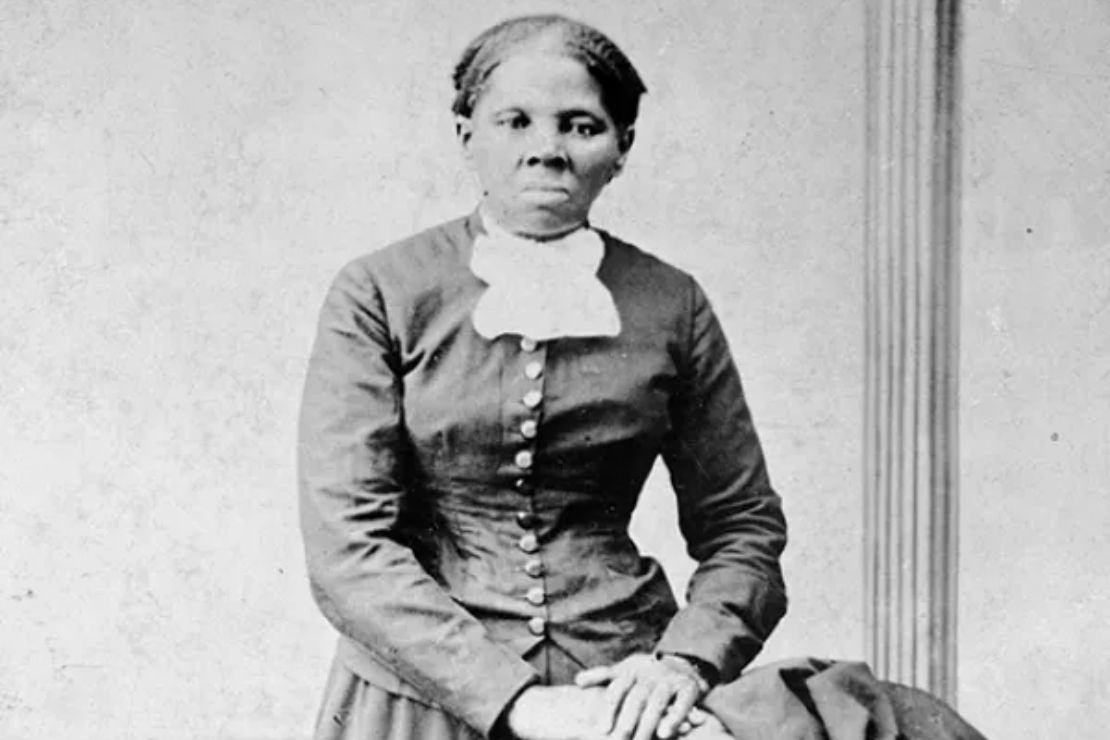
Bennett College will auction Aaron Douglas' 1931 painting Harriet Tubman, expected to sell for up to $3.5 million, to support the college's future and women's health programs. The painting, a significant Harlem Renaissance artwork, has been on loan to the North Carolina Museum of Art and will be sold through Sotheby's in New York on November 18.
- The painting was commissioned in 1931 specifically for Bennett College by philanthropist Alfred K. Stern.
- Proceeds from the auction will fund Bennett College's Women's Health Initiative and institutional growth.
- Bennett College is one of two historically Black colleges exclusively serving women and is celebrating its 100th anniversary as a women's college.
- The artwork has not been displayed on campus for nearly 20 years and was on long-term loan to the North Carolina Museum of Art.
- The sale reflects financial challenges faced by historically Black colleges and universities and aims to invest in Black women's health and education.
Historic Harlem Renaissance Painting Will Be Sold to Support Women’s Health Programs and Bennett College’s Future
A historic painting of Harriet Tubman, created nearly a century ago to inspire generations of Black women, is heading to auction for as much as $3.5 million. But rather than simply parting with a valuable piece of Black history, Bennett College plans to use the proceeds to invest in the future of the very women the artwork was created to empower.
The historically Black women’s college in Greensboro, North Carolina, will auction Aaron Douglas’ 1931 painting Harriet Tubman through Sotheby’s in New York on Nov. 18. The artwork is expected to sell for between $2.5 million and $3.5 million, making it the highest presale estimate ever placed on a work by the influential Harlem Renaissance artist.
The proceeds will support Bennett’s continued growth, including its Women’s Health Initiative, which aims to address healthcare disparities and advance health equity for women.
A Painting Rooted in Black Liberation
Commissioned in 1931 by Chicago philanthropist Alfred K. Stern, the painting was created specifically for Bennett College, an institution whose history is closely tied to Black education and empowerment.
Douglas, a leading figure of the Harlem Renaissance, depicted Tubman with her arms raised and broken chains in her hands, symbolizing her fight against slavery and her role in guiding enslaved African Americans toward freedom.
Surrounding her are images representing the opportunities that freedom made possible, including Black Americans working their own land and a young woman reading.
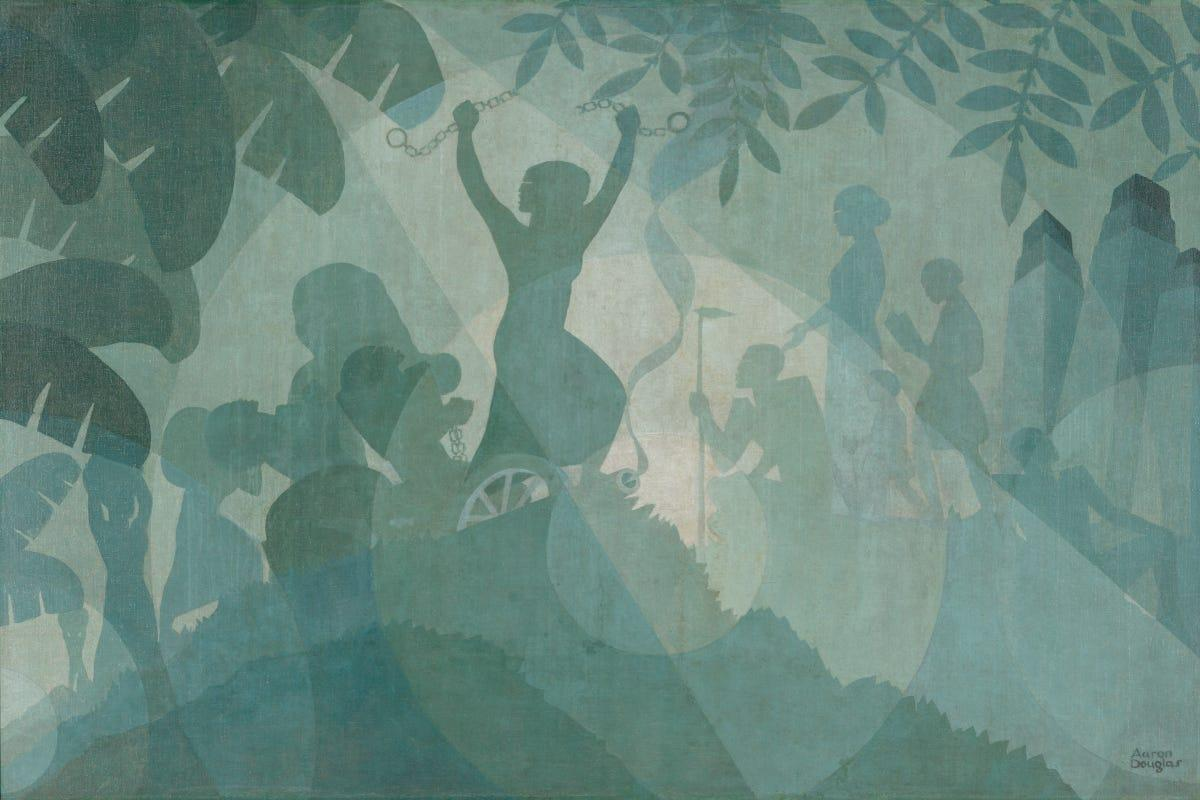
The painting’s message celebrates education, independence and the ability of Black Americans to determine their own futures.
That message holds particular significance at Bennett, which was founded in 1873 and became a women’s college in 1926. Alongside Spelman College in Atlanta, Bennett remains one of just two historically Black colleges exclusively serving women.
Yet the painting has not been displayed on Bennett’s campus for nearly two decades. Instead, it has been on long-term loan to the North Carolina Museum of Art in Raleigh, where it could receive the professional care and preservation the college lacks the facilities to provide.
Bennett College Invests in Its Future
The decision to sell the painting comes as Bennett celebrates its 100th anniversary as a women’s college.
Cassandra Jones Havard, chair of Bennett’s Board of Trustees, said the sale reflects the institution’s commitment to honoring its past while investing in future generations.
“Celebrating our Centennial as a women’s college has given us an opportunity to both acknowledge our history and look to the future,” Havard said in a statement reported by FOX8.
She added that the painting represents women’s strength and that its sale will help secure Bennett’s future.
According to WFDD’s reporting, the college intends to direct proceeds toward its Women’s Health Initiative, an effort focused on improving health equity and addressing disparities affecting women.
College officials reached the decision after more than two years of discussions about the painting’s future.
Although the artwork will leave Bennett’s ownership, school leadership hopes its next owner will preserve and celebrate the painting’s connection to the institution.
The Financial Reality Facing HBCUs
Bennett’s decision reflects a challenge that extends far beyond its Greensboro campus.
Historically Black colleges and universities have long faced financial disadvantages, including smaller endowments and more limited access to major philanthropic funding than many predominantly white institutions.
At the same time, HBCUs have played an essential role in preserving African American history, housing artwork, documents and archives that chronicle generations of Black achievement and resistance.
Selling a culturally significant piece like Douglas’ Harriet Tubman presents a difficult trade-off, preserving a historic asset or using its financial value to sustain the institution’s educational mission.
For Bennett, the painting’s sale represents an opportunity to turn that legacy into a direct investment in Black women’s health and education.
The artwork will be offered during Sotheby’s Modern Evening Auction on Nov. 18, with public viewing beginning Nov. 7.


