




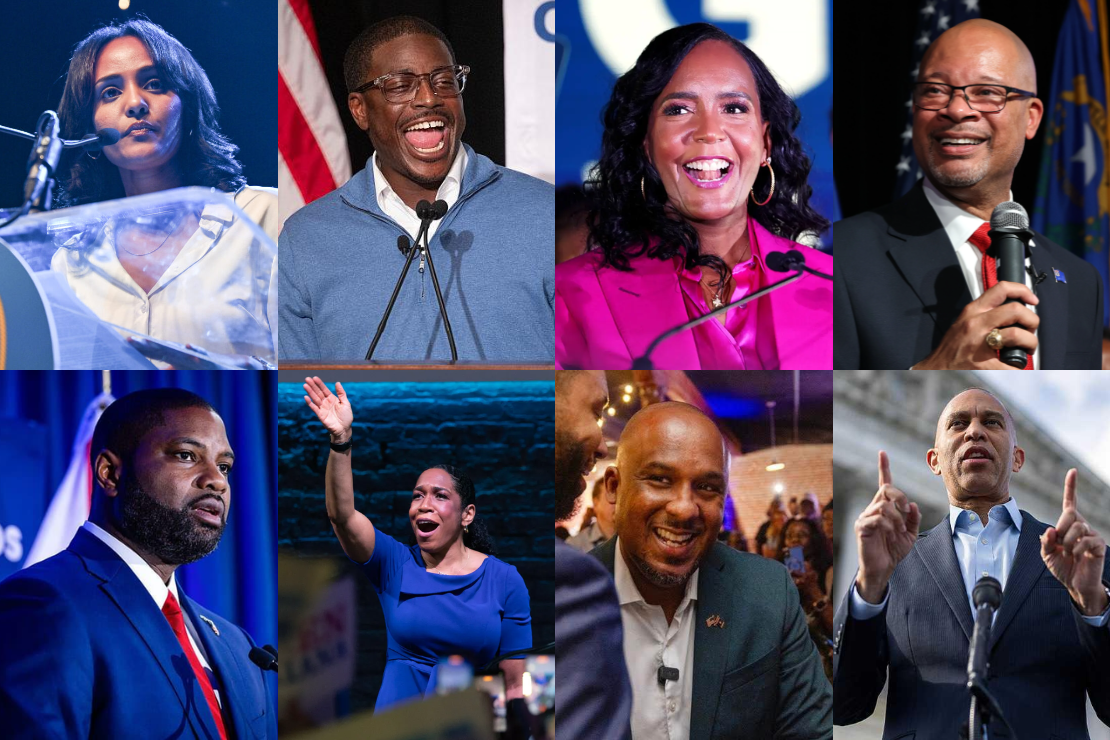
The 2026 midterm elections resulted in historic gains for Black political representation, including record numbers of Black governors, U.S. senators, and House members, despite challenges from new redistricting rules. Democrats regained control of both chambers of Congress, positioning Black lawmakers for increased influence in legislative leadership.
- Five Black governors will serve simultaneously starting January 2027, doubling the previous total with new elections including the first Black woman and first Black Republican governors.
- Black representation in the U.S. Senate will reach a historic high with at least six Black senators, including three Black women serving simultaneously for the first time.
- Several Black House incumbents won reelection despite redistricting changes following a Supreme Court ruling limiting Voting Rights Act protections.
- The House is expected to see a modest net loss of about five Black-held seats, partly due to Black Republican retirements.
- House Democratic Leader Hakeem Jeffries is poised to become the first Black Speaker of the House, enhancing Black political influence in Congress.
Historic Wins in Governors’ Races, the U.S. Senate and Congress Expand Black Representation Despite Redistricting Challenges
The 2026 midterm elections delivered more than a political victory for Democrats. They also marked a historic expansion of Black political representation across the country, with groundbreaking victories in governors’ races, the U.S. Senate and the House of Representatives.
Democrats regained control of both chambers of Congress in their strongest midterm performance in nearly two decades. Beyond the shift in party control, Tuesday’s results marked a significant moment for Black political leadership, even as states entered the election with new congressional maps following a Supreme Court ruling that limited protections under the Voting Rights Act.
Five Black Governors Set to Serve Simultaneously
Before the 2026 election, just three Black Americans had ever been elected governor in U.S. history. That number more than doubled Tuesday night, with four new governors elected and Maryland Gov. Wes Moore securing another term.
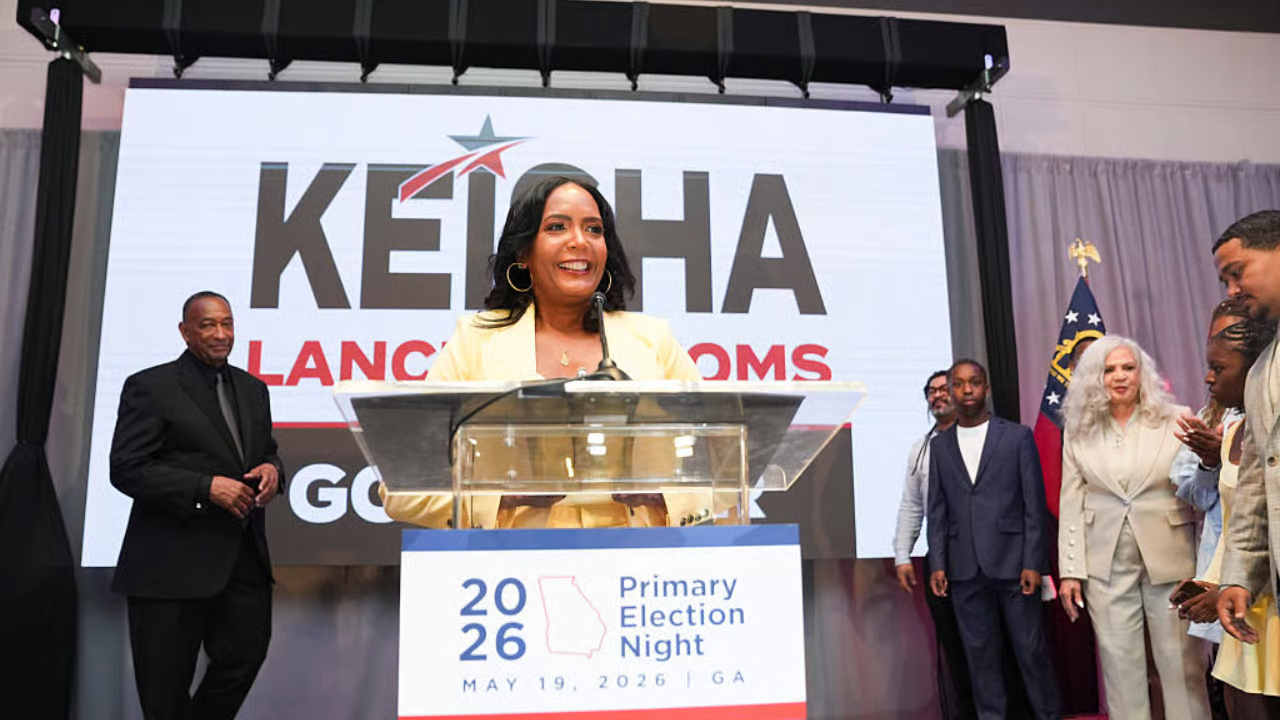
Former Atlanta Mayor Keisha Lance Bottoms made history in Georgia, becoming the first Black woman elected governor in the United States. In Florida, Republican Byron Donalds became the first Black Republican elected governor of any state.
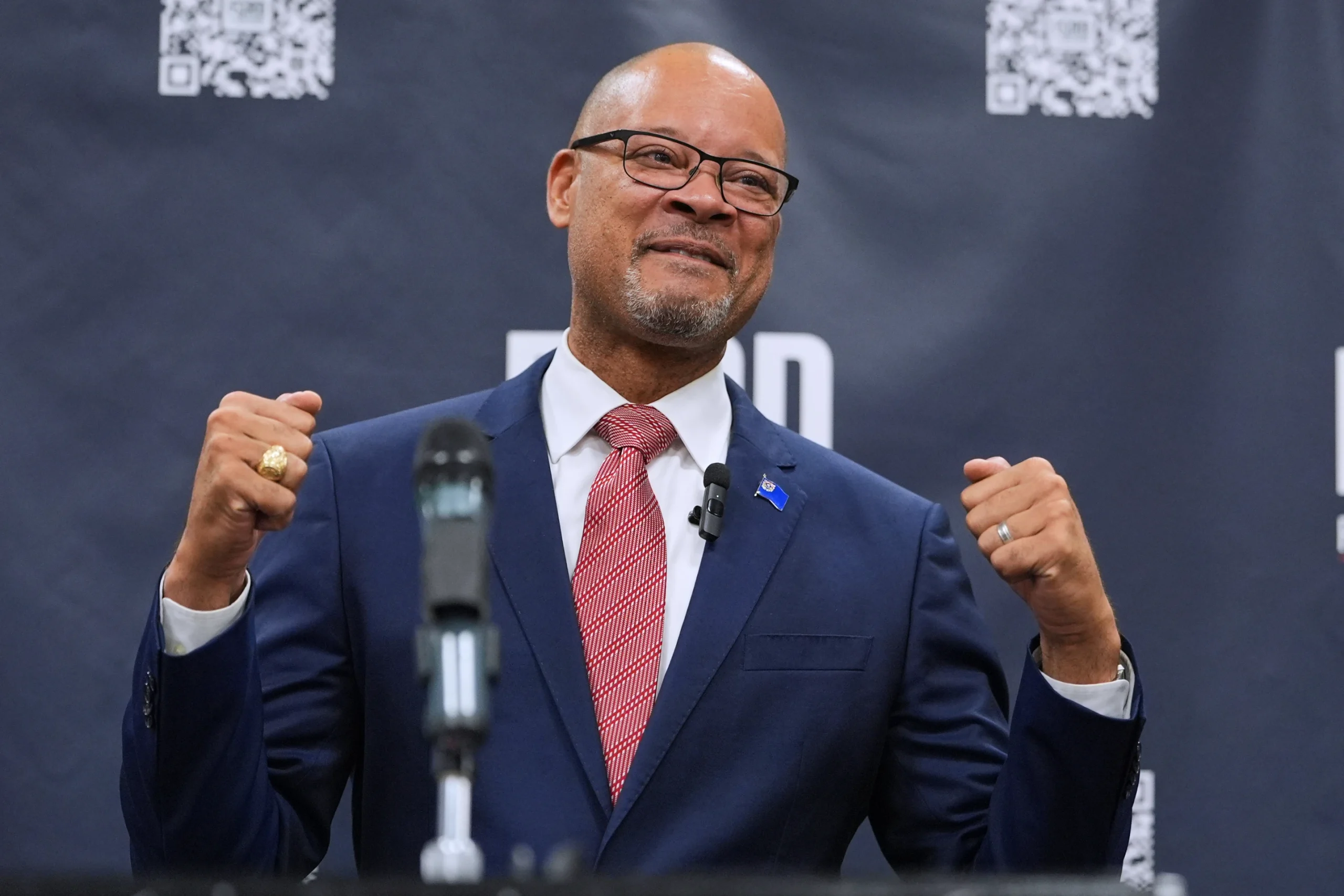
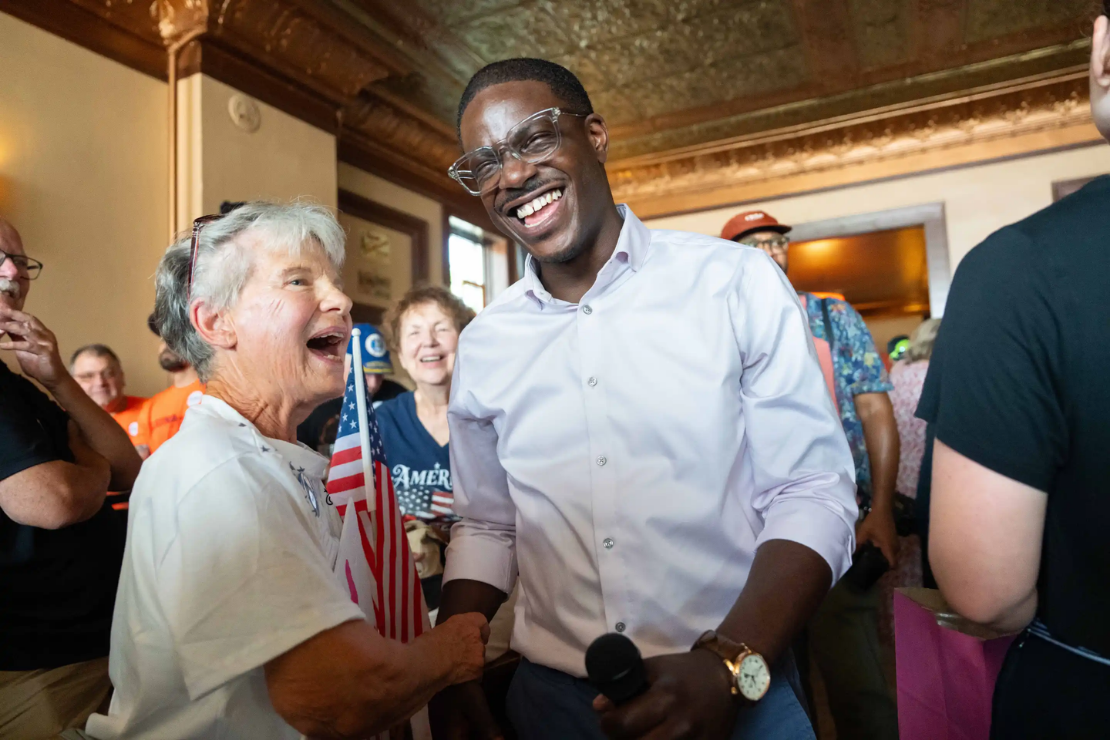
David Crowley and Aaron Ford also broke barriers, becoming the first Black governors elected in Wisconsin and Nevada, respectively.
With Moore’s reelection in Maryland, five Black governors are expected to serve simultaneously beginning in January 2027, an unprecedented milestone in American politics.
Black Women Make Senate History
Black representation in the U.S. Senate will also reach a historic high following victories by Illinois Lt. Gov. Juliana Stratton and New Jersey Sen. Cory Booker.
Stratton’s victory is particularly significant. When she takes office, she will join Sens. Lisa Blunt Rochester of Delaware and Angela Alsobrooks of Maryland, marking the first time three Black women have served in the Senate simultaneously.
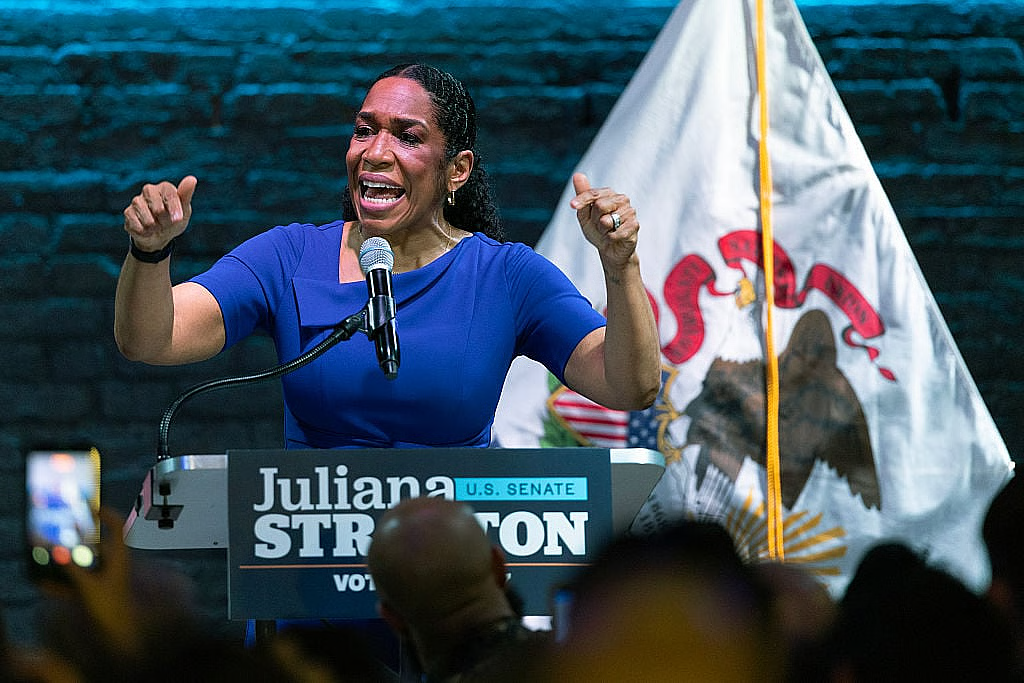
Stratton will also become the sixth Black woman in U.S. Senate history and the second elected from Illinois, following Carol Moseley Braun, who became the nation’s first Black woman senator in 1992.
Meanwhile, Mississippi could deliver another historic milestone.
Democrat Scott Colom is held a razor-thin lead over Republican incumbent Cindy Hyde-Smith as ballots continued to be counted Wednesday. If elected, Colom would become Mississippi’s first Black U.S. senator since Reconstruction.
With the race still undecided, the Senate is already set to have at least six Black members, the largest number in its history.
Black House Candidates Overcome Redistricting Challenges
The victories came despite major changes to congressional districts following the Supreme Court’s April 2026 decision in Louisiana v. Callais.
The ruling restricted how race can be considered when drawing congressional boundaries under the Voting Rights Act. Republican-led states subsequently adopted new maps affecting districts that had provided Black voters opportunities to elect their preferred candidates.
Those changes contributed to the loss of Black-held seats in Louisiana, Texas and Tennessee. However, several Black incumbents overcame newly drawn political boundaries.
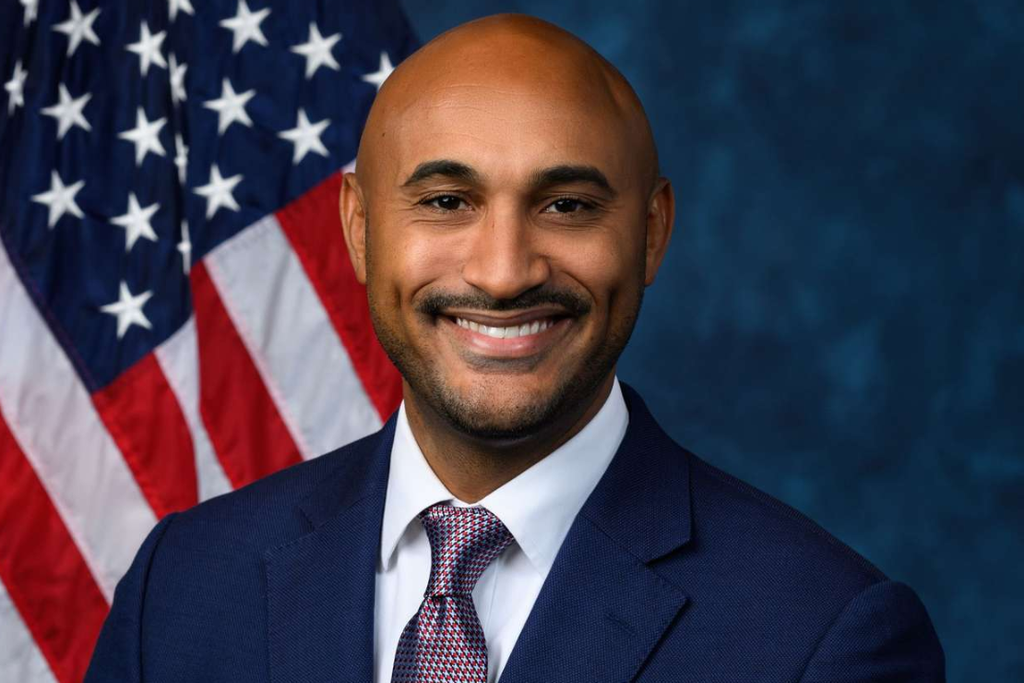
In Alabama, Democratic Rep. Shomari Figures won reelection by nearly eight percentage points despite competing in a district Republicans had redrawn to improve their electoral prospects. His victory was supported by strong turnout in Montgomery and other Democratic strongholds.
North Carolina Rep. Don Davis also retained his seat after redistricting made his reelection more competitive.
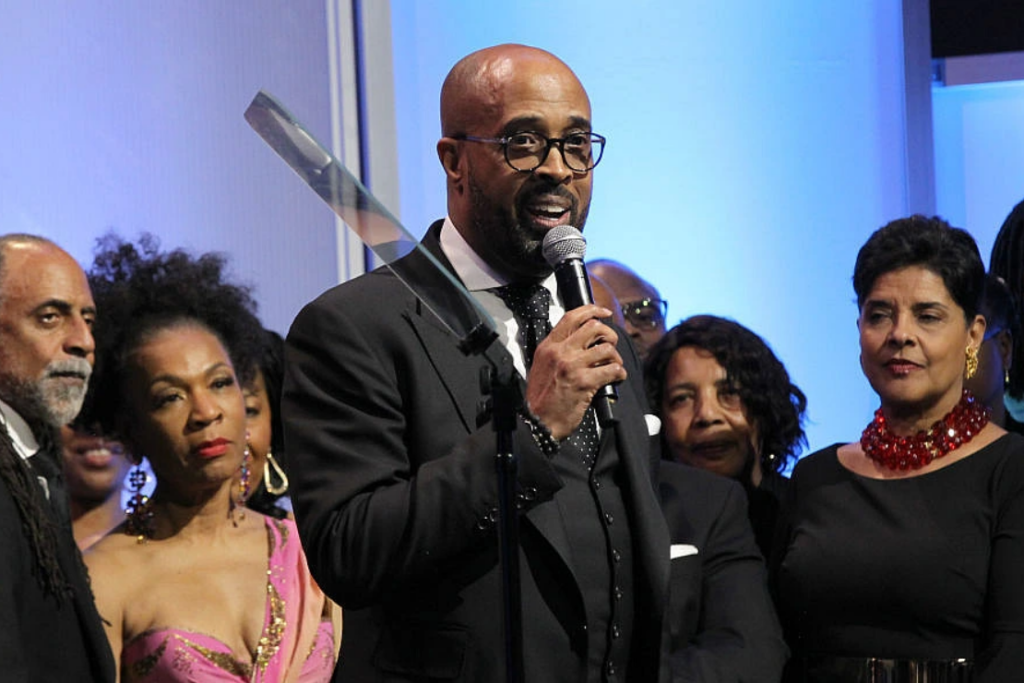
The election introduced a new generation of Black congressional leaders, including Jasmine Clark of Georgia, Oliver Gilbert of Florida, Frederick Douglas Haynes III of Texas, Donna Miller and La Shawn Ford of Illinois, Adrian Boafo of Maryland and Melat Kiros of Colorado.

Melat Kiros made history in Colorado, becoming the first Gen Z woman elected to Congress and the first Black woman to represent the state in the U.S. House. The 29-year-old Ethiopian American, endorsed by the Democratic Socialists of America, has embraced her family’s political heritage and emphasized the connection between racial and economic justice.
In an interview with Black Women Lead, Kiros described coming from generations of Black socialists and activists who fought for equality, saying elected officials have a responsibility to hold institutions accountable for protecting people’s dignity and basic rights.
Although Black representation in the House is expected to decline modestly, the losses appear smaller than some redistricting advocates initially feared. Early estimates suggest a net reduction of approximately five Black-held seats.
Four of those seats were previously held by Black Republicans who chose not to seek reelection to the House: Byron Donalds of Florida, Wesley Hunt of Texas, John James of Michigan and Burgess Owens of Utah.
Their departures leave Republicans facing the prospect of entering the 120th Congress without a Black House member, even as Donalds advances to Florida’s governor’s mansion.
Hakeem Jeffries Positioned to Become First Black House Speaker
Perhaps the most consequential change for Black political influence will come when the new Congress convenes in January.
House Democratic Leader Hakeem Jeffries is positioned to become the first Black Speaker of the House in the chamber’s 237-year history, following Democrats’ successful effort to reclaim the majority.
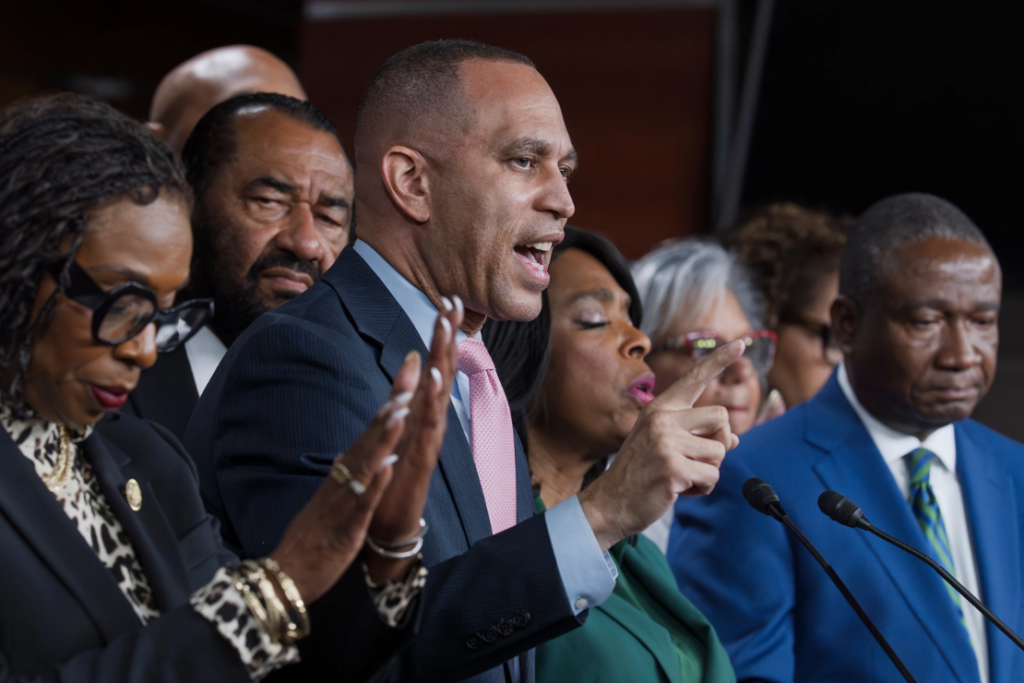
Democratic control of both chambers also means Black lawmakers will have greater opportunities to influence legislative priorities, committee investigations and federal spending.
Senior members of the Congressional Black Caucus could assume leadership of influential House committees, including Homeland Security, Foreign Affairs, Financial Services, and Education and the Workforce.
That distinction matters because committee chairs help determine which legislation advances, what issues receive congressional scrutiny and how the administration is held accountable.
The shift recalls the 2006 midterms, when Democrats regained control of the House and Black lawmakers gained greater institutional influence. At the time, the Joint Center for Political and Economic Studies suggested that the Congressional Black Caucus could exercise more power than at any previous point in its history.
Twenty years later, the 2026 election presents a similar opportunity.
While the final makeup of Congress remains subject to outstanding election results, the historic victories in statehouses and Washington demonstrate that Black political representation extends far beyond the number of seats won on Election Day.
The next test will be how that representation translates into leadership, legislative priorities and policies affecting communities across the country.


