




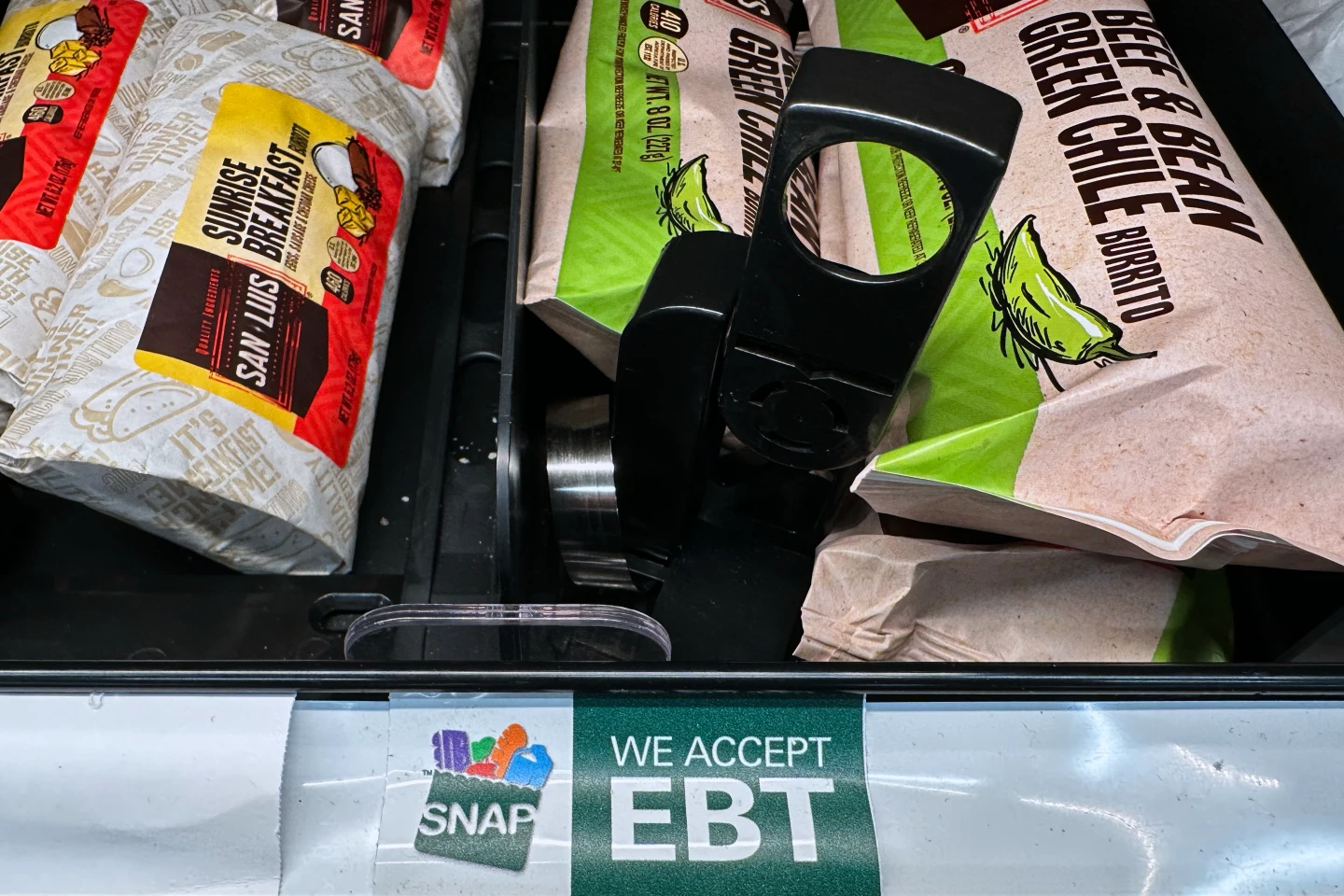
SNAP Funding Cut in Half for November, Details On How Payments Will Roll Out Still To Come
President Donald Trump’s administration said Monday that it will partially fund SNAP for November, after two judges issued rulings requiring the government to keep the nation’s largest food aid program running.
The U.S. Department of Agriculture, which oversees the Supplemental Nutrition Assistance Program, had planned to freeze payments starting Nov. 1 because it said it could no longer keep funding it during the federal government shutdown. The program serves about 1 in 8 Americans and is a major piece of the nation’s social safety net. It costs more than $8 billion per month nationally. The government says an emergency fund it will use has $4.65 billion — enough to cover about half the normal benefits.
Exhausting the fund potentially sets the stage for a similar situation in December if the shutdown isn’t resolved by then.
It’s not clear exactly how much beneficiaries will receive, nor how quickly they will see value show up on the debit cards they use to buy groceries. November payments have already been delayed for millions of people.
“The Trump Administration has the means to fund this program in full, and their decision not to will leave millions of Americans hungry and waiting even longer for relief as government takes the additional steps needed to partially fund this program,” Massachusetts Attorney General Andrea Joy Campbell, who led a coalition of Democratic state officials in one of the lawsuits that forced the funding, said in a statement.
People who receive the benefits are trying to figure out how to stretch their grocery money further.
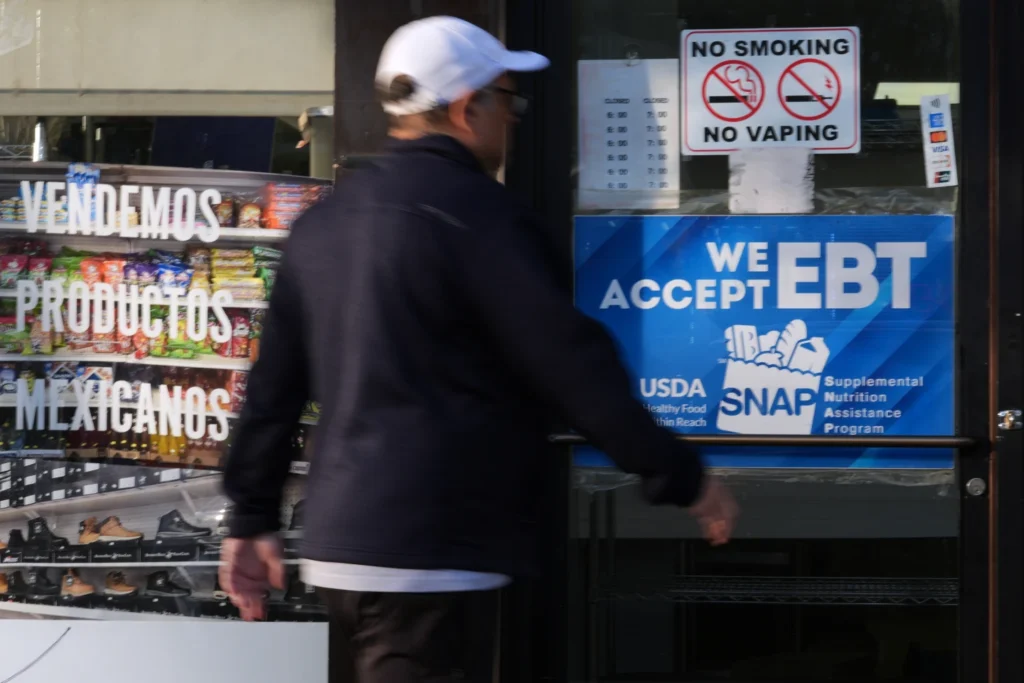
The administration said it would provide details to states on Monday on calculating the per-household partial benefit. The process of loading the SNAP cards, which involves steps by state and federal government agencies and vendors, can take up to two weeks in some states. But the USDA warned in a court filing that it could take weeks or even months for states to make all the system changes to send out reduced benefits. The average monthly benefit is usually about $190 per person.
California Attorney General Rob Bonta said at a news conference that it would take his state about a week to load benefit cards once the funding is made available.
“These are folks who are hungry, and every day matters,” Bonta said.
The USDA said last month that benefits for November wouldn’t be paid due to the federal government shutdown. That set off a scramble by food banks, state governments and the nearly 42 million Americans who receive the aid to find ways to ensure access to groceries.
The liberal group Democracy Forward, which represented plaintiffs in one of the lawsuits, said it was considering legal options to force full SNAP funding.
Other high-profile Democrats are calling for the government to do that on its own.
“USDA has the authority to fully fund SNAP and needs to do so immediately. Anything else is unacceptable,” Senate Democratic leader Chuck Schumer said on social media.
Most states have boosted aid to food banks, and some are setting up systems to reload benefit cards with state taxpayer dollars. The threat of a delay also spurred lawsuits.
Federal judges in Massachusetts and Rhode Island ruled separately but similarly Friday, telling the government in response to lawsuits filed by Democratic state officials, cities and non-profits that it was required to use one emergency fund to pay for the program, at least in part. They gave the government the option to use additional money to fully fund the program and a deadline of Monday to decide.
Patrick Penn, Deputy Under Secretary Food Nutrition and Consumer Services for USDA, said in a court filing Monday that the department chose not to tap other emergency funds to ensure there’s not a gap in child nutrition programs for the rest of this fiscal year, which runs through September 2026.
Advocates and beneficiaries say halting the food aid would force people to choose between buying groceries and paying other bills. The majority of states have announced more or expedited funding for food banks or novel ways to load at least some benefits onto the SNAP debit cards.
New Mexico and Rhode Island officials said Monday that some SNAP beneficiaries received funds over the weekend from their emergency programs. Officials in Delaware are telling recipients that their benefits won’t be available until at least Nov. 7.
To qualify for SNAP in 2025, a household’s net income after certain expenses can’t exceed the federal poverty line. For a family of four, that’s about $32,000 per year.