





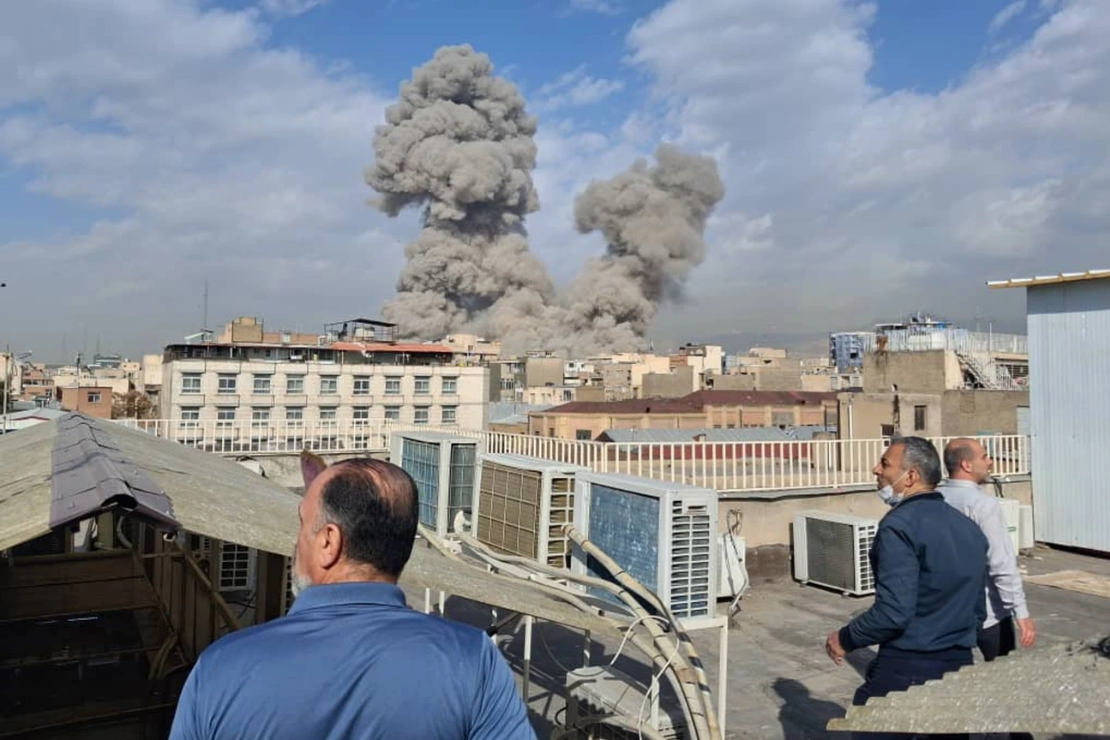
Iran Fires Missiles After US Strikes, Congress Raises Authorization Concerns
The United States and Israel launched a sweeping military assault on Iran on Saturday, dramatically escalating tensions in the Middle East and opening a new phase of U.S. intervention in the region.
Donald Trump urged the Iranian public to “seize control of your destiny,” calling on citizens to rise up against the Islamic leadership that has governed the country since 1979.
Some of the first reported impacts struck areas surrounding the offices of Supreme Leader Ayatollah Ali Khamenei in Tehran. Iranian state media reported additional strikes across the country, and smoke was seen rising above the capital.
It was not immediately known whether the 86 year old leader was present at the targeted compound during the attack.
The operation marks the second time in eight months that the Trump administration has used direct military force against Iran. The president defended the action by claiming Tehran continues to advance its nuclear program and is developing long range missiles capable of reaching the United States. Trump also cited long standing grievances with the Islamic Republic dating back to its founding in 1979.
Within hours of the initial assault, Iran responded by launching missiles and drones toward Israel and U.S. military installations in the region. Officials have not yet released full damage assessments.
The retaliatory action raises concerns about further regional escalation, particularly with American troops stationed across the Middle East now exposed to possible counterstrikes.

House Democratic Leader Hakeem Jeffries sharply criticized the administration for launching the strikes without prior congressional authorization.
“Iran is a bad actor and must be aggressively confronted for its human rights violations, nuclear ambitions, support of terrorism and the threat it poses to our allies like Israel and Jordan in the region,” Jeffries said.
However, he added that outside “exigent circumstances,” the president “must seek authorization for the preemptive use of military force that constitutes an act of war.”
Jeffries said Trump “failed to seek Congressional authorization prior to striking Iran” and warned that the latest round of attacks “has left American troops vulnerable to Iran’s retaliatory actions.”
“We pray for the safety of the men and women of the U.S. military as they have been put into harm’s way in a dangerous theater of war,” he said.
Congress Was Notified Before the Strike
Even though lawmakers were formally notified before the strikes, as required by law, critics argue that notification is not the same as authorization.
According to a person familiar with the matter who spoke anonymously, Congress was formally notified prior to the strikes, as required by law. The notification reportedly referenced ballistic missile activity but did not describe the scope of the planned assault or outline broader strategic objectives.
Secretary of State Marco Rubio told reporters he personally contacted several top lawmakers ahead of the operation.
The distinction between being informed and granting approval now sits at the center of the growing debate over presidential war powers.