






Woman Falsely Identified as Juror 160 In Diddy Documentary Goes Viral Over Misinformation
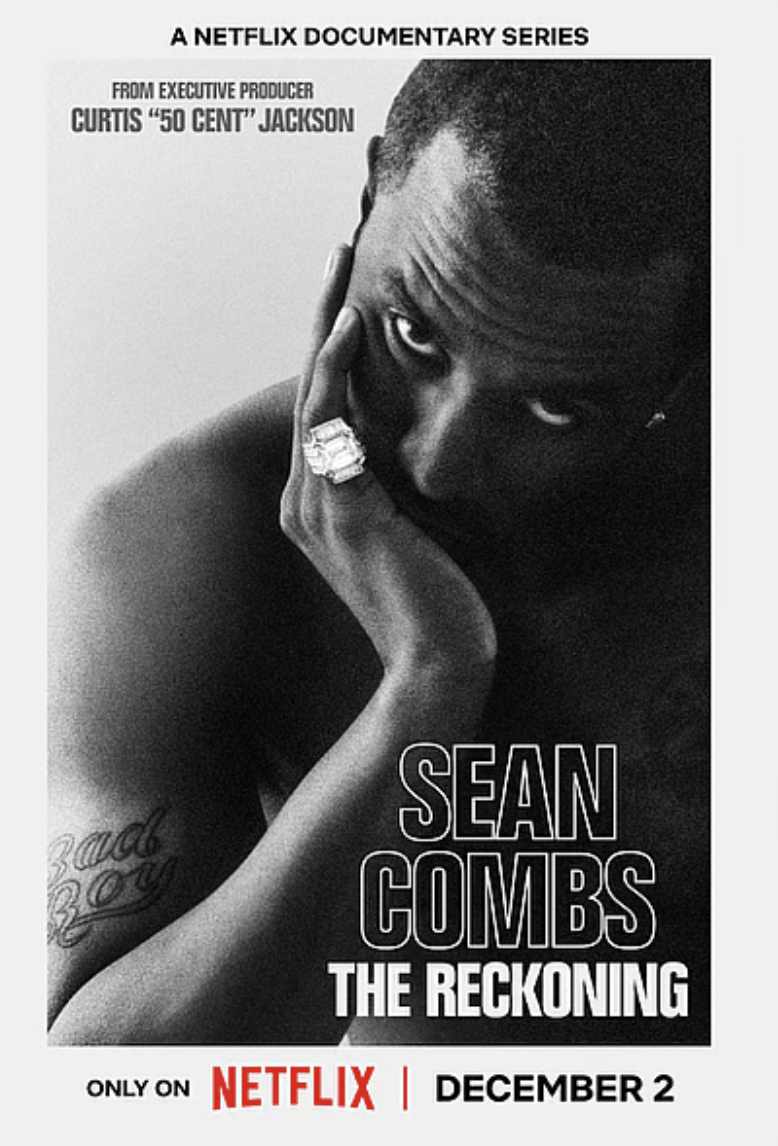
The Diddy documentary has the internet in a chokehold right now. You can’t scroll for five seconds without running into another thread dissecting Sean Combs: The Reckoning, a four-part trip through the disgraced mogul’s past told by people who actually lived it.
Combs was convicted in July on two counts of transportation for prostitution under the Mann Act, smaller charges in a larger federal indictment that played out over eight weeks in a Manhattan courtroom. Two jurors from that trial appear in the documentary, but only one became the internet’s newest obsession: Juror 160.
Juror 160 is a Black millennial woman who appears oddly starstruck as she discusses serving on the case. She insists she wasn’t a Diddy fan, which doesn’t entirely square with the encyclopedic recall of his behavior on Making the Band that she happily re-enacts on camera. She also declares she believes a fair verdict was reached.
When asked whether Combs is violent, she points to the Intercontinental Hotel footage: “Unforgivable… but domestic violence wasn’t one of the charges.” She even admits she knew their verdict would be controversial, telling producers her reaction in the deliberation room was, “Oh S-H-I-T.”
Naturally, the internet hated every minute of her appearance. So instead of directing their irritation at, say, the justice system or jury selection standards, they went full gremlin mode and targeted the wrong person altogether. Users began circulating an old photo of Combs with journalist and media professional Wynter Mitchell-Rohrbaugh, claiming she was Juror 160.
She isn’t. At all. Not even a little bit.
Mitchell-Rohrbaugh has had to repeatedly say so herself, but the posts keep multiplying because, frankly, people care more about engagement than accuracy. A 2009 BET Awards photo somehow became “proof,” despite looking nothing like the woman in the documentary. The resemblance is barely surface-level, but that didn’t stop TikTok detectives, Threads gossip seeds, Instagram chaos agents, and bored Twitter/X users from swearing they had cracked the case with middle-school Photoshop skills and zero verification.
Once Wynter spoke up, the damage was already done. Her name was being tagged across platforms, tabloids repeated the speculation without confirming anything, and total strangers were demanding explanations for a crime she didn’t commit and a jury she never sat on. This is the cost of misinformation, especially for Black women, who far too often get treated as interchangeable placeholders for the internet’s projections.
People understood defamation enough to cheer when Cardi B humbled Tasha K or when Megan Thee Stallion sued Milagro Gramz, but suddenly that logic evaporates when the target is not a celebrity. Defamation doesn’t require fame. A lie is still a lie, and pushing misinformation after being corrected isn’t an accident; it’s malice.
Placing Wynter’s image next to claims she is Juror 160 puts her in harm’s way. It damages her reputation. It subjects her to harassment she never asked for. And the worst part? Many of the posts have comments underneath them saying the claim is false. Yet the posts remain up because the engagement is too good to delete. Internet clout is a hell of a drug, and too many people are hooked.
As someone who’s also been mauled by an online mob before, I know the sickening swirl of anxiety Wynter must feel each time she logs in and sees her face attached to lies. She deserves better. Black women deserve better.
And to the internet goofies, groupies, clout chasers, and chaos agents gleefully sowing misinformation for likes: your day is coming. If karma doesn’t catch you, a lawsuit might. And it’ll make you look just as foolish as Tasha K and Milagro Gramz when the judge finished with them.
Wynter Mitchell-Rohrbaugh is not Juror 160.