





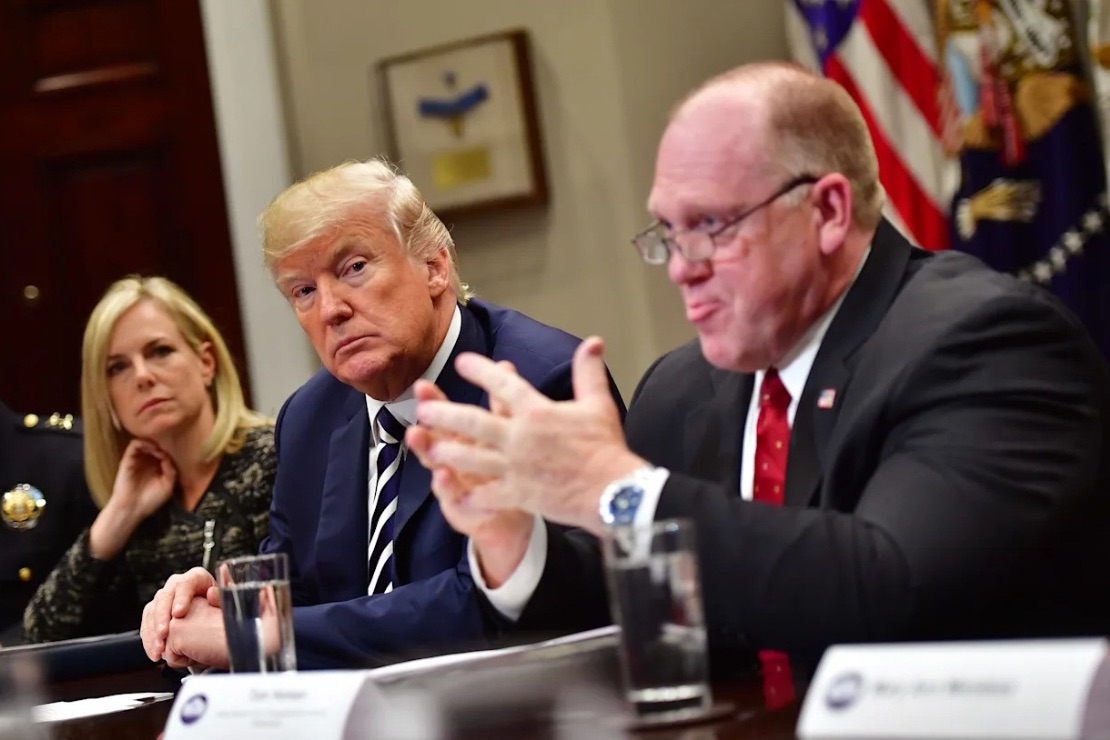
Despite Repeated Claims of Corruption, Trump’s Support Remains Largely Intact
A Sting, a Former Enforcement Chief, and a Corruption Question
Former immigration official Tom Homan was allegedly caught in a sting operation last year, accepting $50,000 in cash from undercover agents posing as business executives. The money was reportedly given after Homan suggested he could help secure government contracts under a future Trump administration.
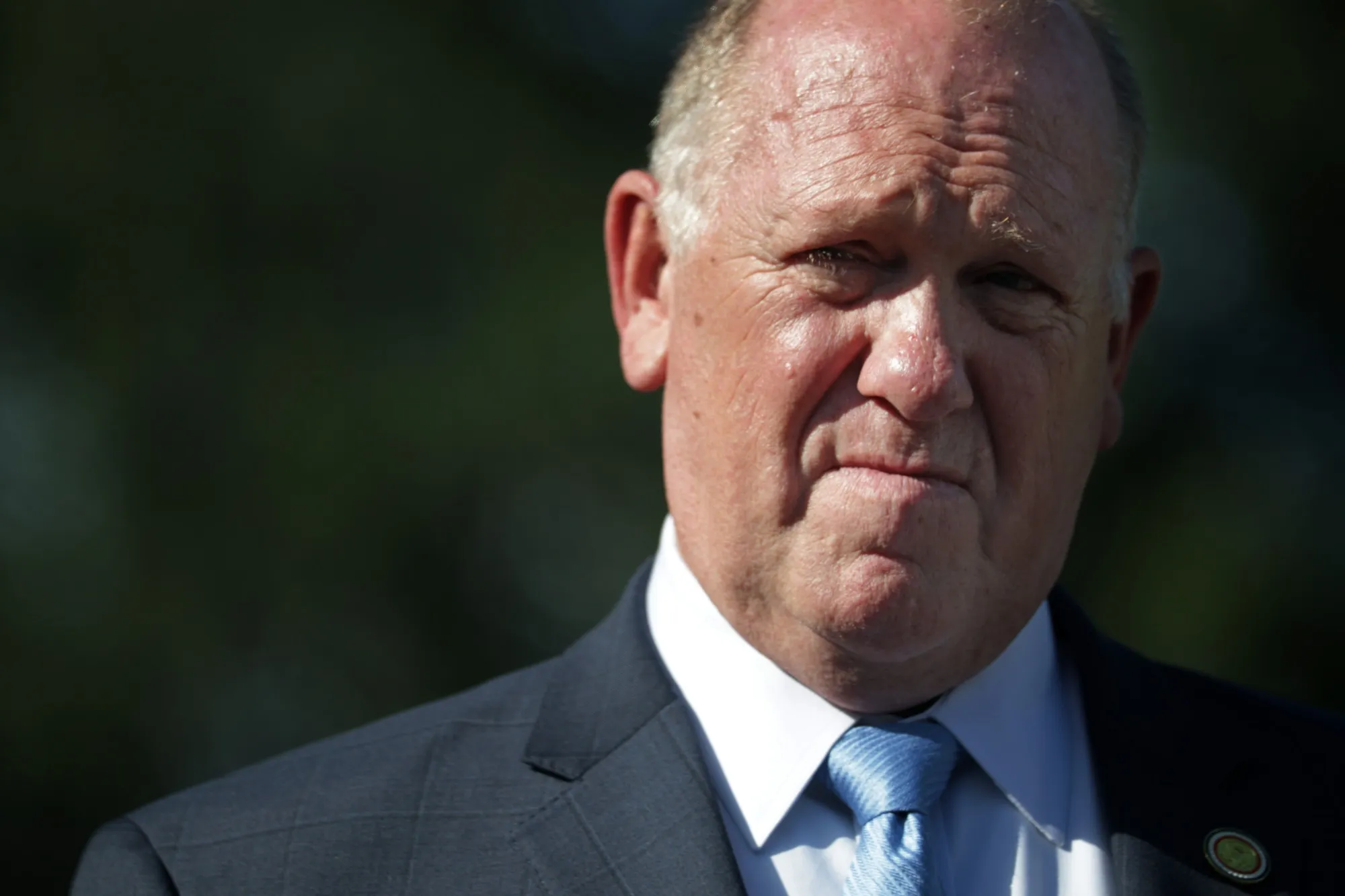
At the time, Homan was not in public office — but he had indicated he could hold a role in a second Trump term.
No Charges, No Accountability — Yet
Despite the allegations, prosecutors later said there was “no credible evidence” of wrongdoing. The investigation was shut down without charges, leaving the facts unresolved and disputed.
This incident is one of many tied to Trump and his associates, where allegations of corruption, conflicts of interest, and ethical concerns have surfaced without leading to significant consequences.
Why Voters Shrug Off Corruption
Americans often say they dislike corruption in politics, yet these concerns rarely translate into political fallout for Trump.
One reason is Trump’s ability to erode the traditional power of public shaming. Instead of apologizing or stepping aside, he deflects criticism and pushes forward, resetting the norms of accountability.
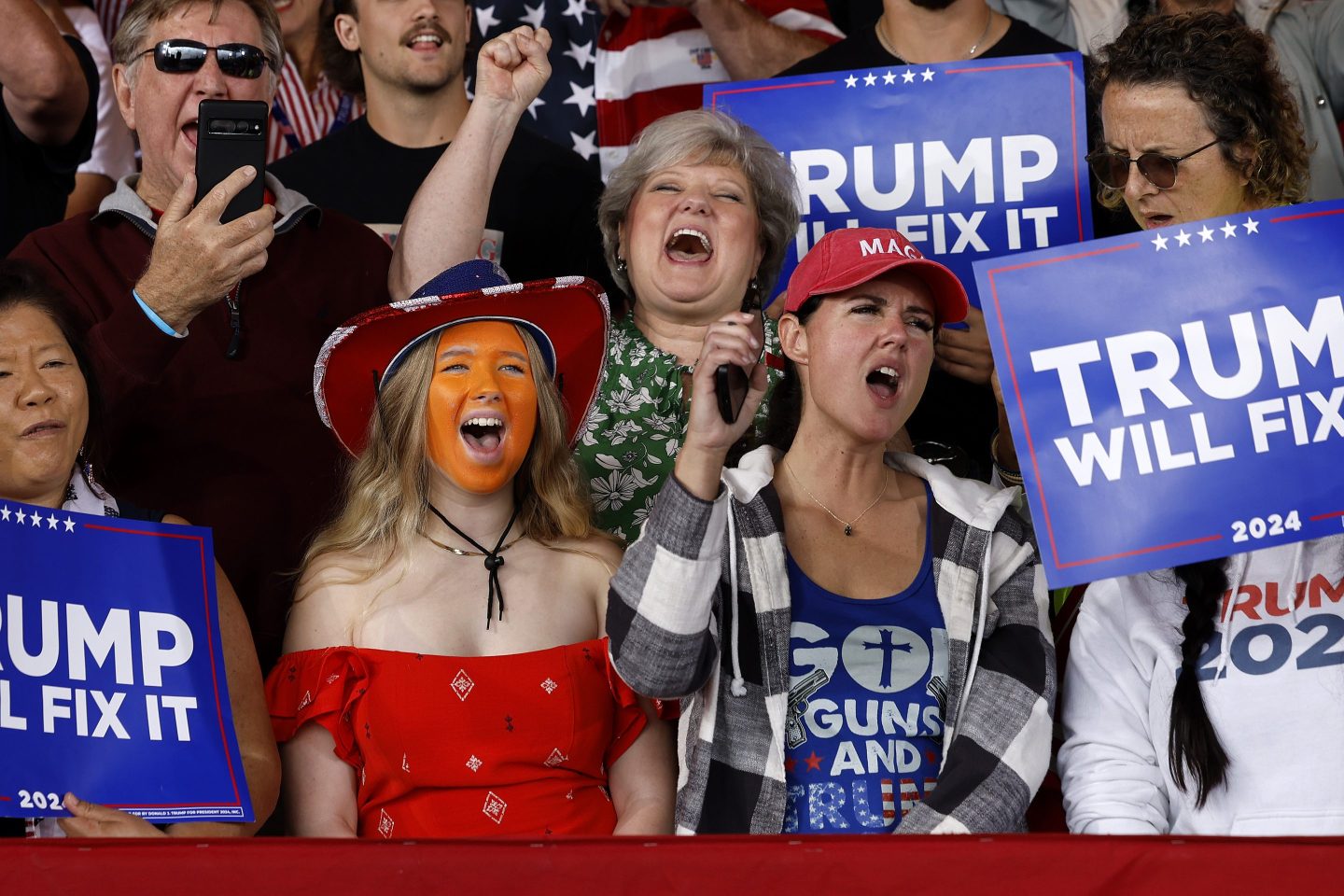
Partisan defense plays a major role as well. Supporters often reject the claims outright, dismiss them as political attacks, or argue that other politicians are just as guilty.
For opponents, there is also a sense of fatigue. With so many scandals over time, each new allegation carries less weight, feeding the idea that accountability is unlikely.
What It Means Going Forward
The Homan sting raises a larger question about the political landscape: how many allegations must surface before they make a difference? Without a strategy that breaks through partisan loyalty and fatigue, corruption claims may continue to fade without impact.