





AT A GLANCE
• Thousands gathered in Selma, Alabama this weekend marking 61 years since the Bloody Sunday attack on civil rights marchers.
• The 1965 violence helped spur passage of the Voting Rights Act, one of the most significant civil rights laws in U.S. history.
• Organizers say new legal challenges could weaken the law as the Supreme Court weighs a case involving race and congressional district maps.
• Civil rights leaders warn the protections gained during the Civil Rights Movement remain vulnerable and must continue to be defended.
Civil Rights Leaders Gather in Selma Amid Renewed Voting Rights Fears
Sixty one years after state troopers violently attacked civil rights marchers on the Edmund Pettus Bridge, thousands gathered in Selma this weekend to remember the historic moment that helped change American democracy.
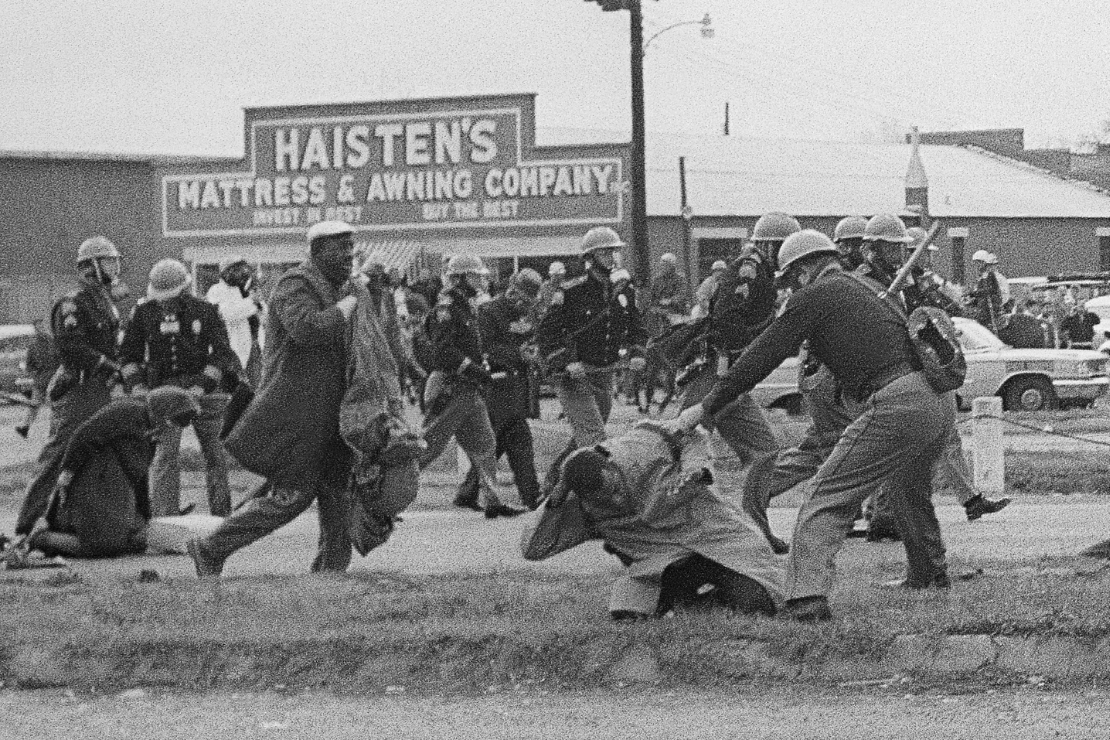
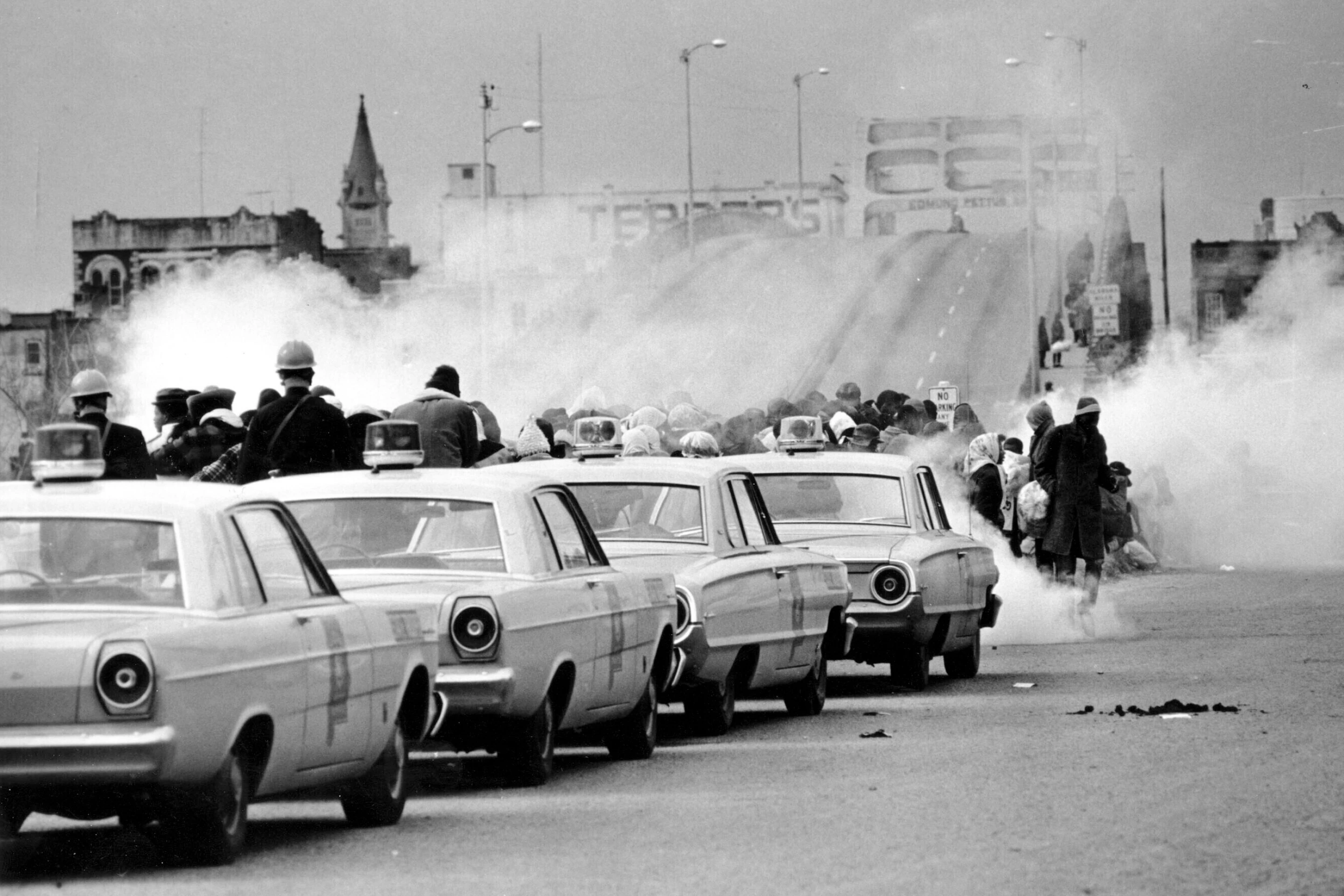
The commemoration honors the events of March 7, 1965, when peaceful demonstrators attempting to march from Selma to Montgomery were beaten and tear gassed by Alabama law enforcement. The confrontation, later known as Bloody Sunday, shocked the nation and helped lead to the passage of the Voting Rights Act later that year.
This year’s anniversary events come as organizers and civil rights leaders express renewed concern that the landmark law could face further erosion.
Throughout the weekend, gatherings across Selma have included speeches, memorial events, and community discussions before culminating Sunday with the annual march across the Edmund Pettus Bridge.
Many of the leaders attending say the celebration is not just about remembering the past but confronting challenges that voting rights advocates say threaten the progress won during the Civil Rights Movement.
Supreme Court Case Could Reshape Voting Protections
Concerns about the Voting Rights Act have intensified as the U.S. Supreme Court prepares to rule on a Louisiana case that could affect how race is considered when drawing congressional districts.
The provision under scrutiny has historically helped ensure minority voters have a meaningful opportunity to elect candidates of their choice by requiring districts to be drawn in a way that does not dilute their voting power.
A decision limiting the use of race in redistricting could have major consequences across the country.
Voting rights advocates warn that such a ruling could allow Republican controlled states to redraw district lines in ways that weaken majority Black and Latino districts. Those districts have often provided pathways for communities of color to elect representatives who reflect their interests.
Charles Mauldin, now 78, was among the young protesters who marched across the bridge in 1965. Speaking ahead of the anniversary events, he said the possibility of new restrictions on voting protections is deeply troubling.
“I’m concerned that all of the advances that we made for the last 61 years are going to be eradicated,” Mauldin said.
Remembering the Courage of Bloody Sunday
The story of Bloody Sunday remains one of the defining moments of the Civil Rights Movement.
On that day, hundreds of demonstrators gathered in Selma to demand equal access to the ballot box. At the time, Black Americans across the Jim Crow South faced literacy tests, poll taxes, and intimidation that effectively prevented many from voting.
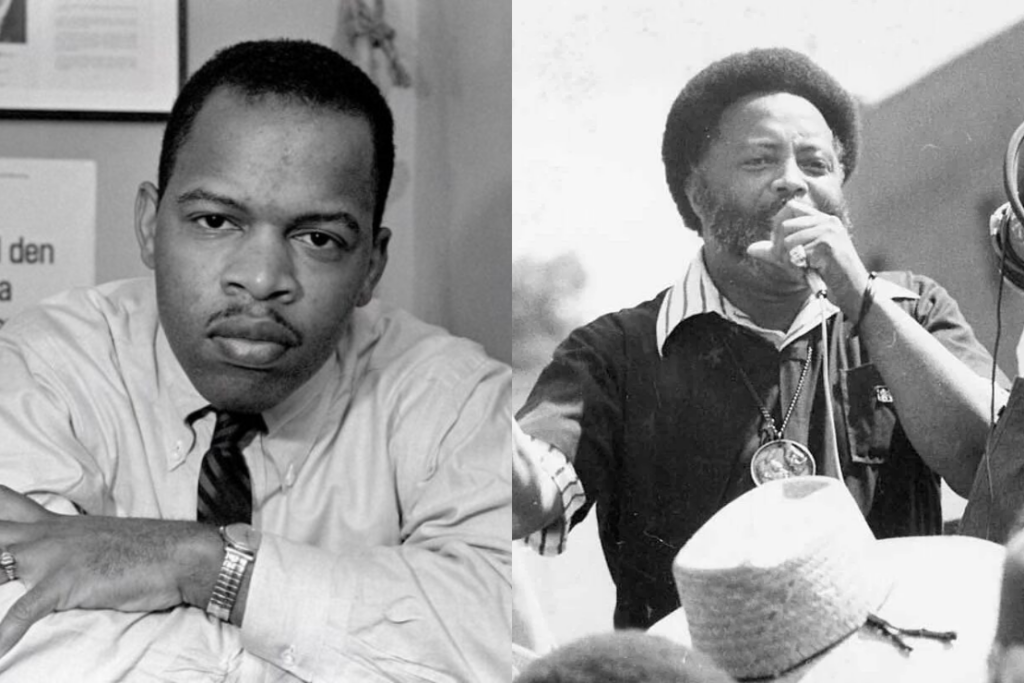
Civil rights leaders John Lewis and Hosea Williams led the marchers as they began walking in pairs across the Edmund Pettus Bridge toward Montgomery.
Mauldin, who was just 17 at the time, marched in the third row behind Lewis and Williams.
As the marchers reached the crest of the bridge, they were met by a large force of law enforcement officers waiting on the other side.
Despite the threat of violence, the demonstrators continued forward.
“Being fearful was not an option,” Mauldin recalled. “And it wasn’t that we didn’t have fear, it’s that we chose courage over fear.”
Moments later, officers charged the crowd.
“We were all hit. We were trampled. We were tear gassed. And we were brutalized by the state of Alabama,” Mauldin said.
Images of the attack broadcast across the country ignited national outrage and galvanized support for federal voting rights protections.
Within months, Congress passed the Voting Rights Act of 1965, prohibiting racial discrimination in voting and empowering the federal government to oversee elections in areas with histories of discrimination.
Selma Remains a Symbol of Unfinished Work
Today, Selma continues to serve as a symbolic gathering point for voting rights advocates, political leaders, and civil rights organizations.
Former Alabama state senator Hank Sanders, who helped launch the city’s annual commemorations decades ago, said the events are meant to remind Americans how fragile democracy can be.
The atmosphere this year, he said, reflects a growing anxiety among many civil rights advocates.
“The feeling is a profound fear that we will be taken back — a greater fear than at any time since 1965,” Sanders said.
Democratic lawmakers and civil rights leaders have traveled to Selma this weekend to mark the anniversary and to encourage continued activism around voting rights.
Modern Political Battles Echo Earlier Struggles
For some leaders, the connection between the past and present struggles is impossible to ignore.
U.S. Rep. Shomari Figures of Alabama was elected in 2024 to a congressional district redrawn by federal courts to ensure fair representation.
Figures said the events in Selma reshaped the political landscape of the country and continue to influence debates over representation today.
“What happened in Selma and the passage of the Voting Rights Act was monumental in shaping what America looks like and how America is represented in Congress,” Figures said.
At the same time, he warned that the rights secured during the Civil Rights Movement are not guaranteed forever.
“I think coming to Selma is a refreshing reminder every single year that the progress that we got from the Civil Rights Movement is not perpetual,” Figures said. “It’s been under consistent attacks almost since we’ve gotten those rights.”
The Annual March Continues a Historic Tradition
The weekend’s events will conclude Sunday with the traditional commemorative march across the Edmund Pettus Bridge.
Each year, thousands retrace the steps of the 1965 demonstrators, walking across the bridge as a tribute to those who risked their lives for voting rights.
For many participants, the march serves both as a memorial and as a call to action.
Organizers say remembering the courage of the Bloody Sunday marchers is critical as new debates unfold about voting access, representation, and the future of the Voting Rights Act.
More than six decades after the attack that stunned the nation, Selma remains both a historic landmark and a reminder that the fight for equal voting rights continues.