





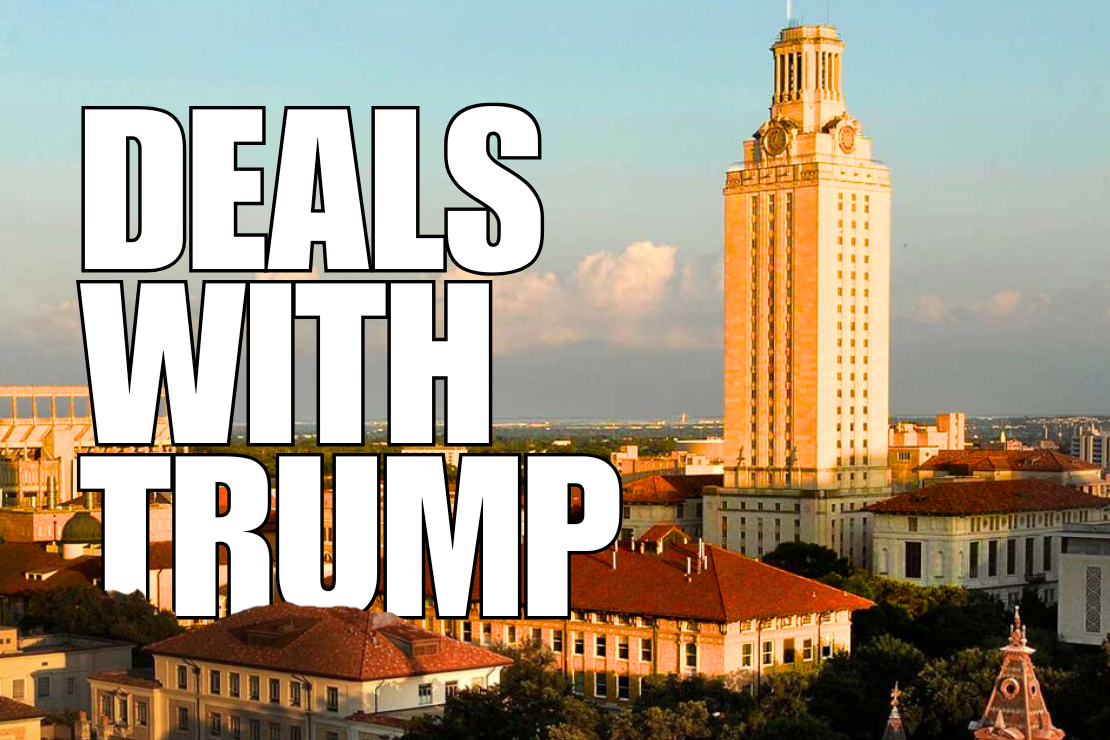
UT Austin at a Crossroads: Trump’s Education Overhaul Tempting The Big Boys
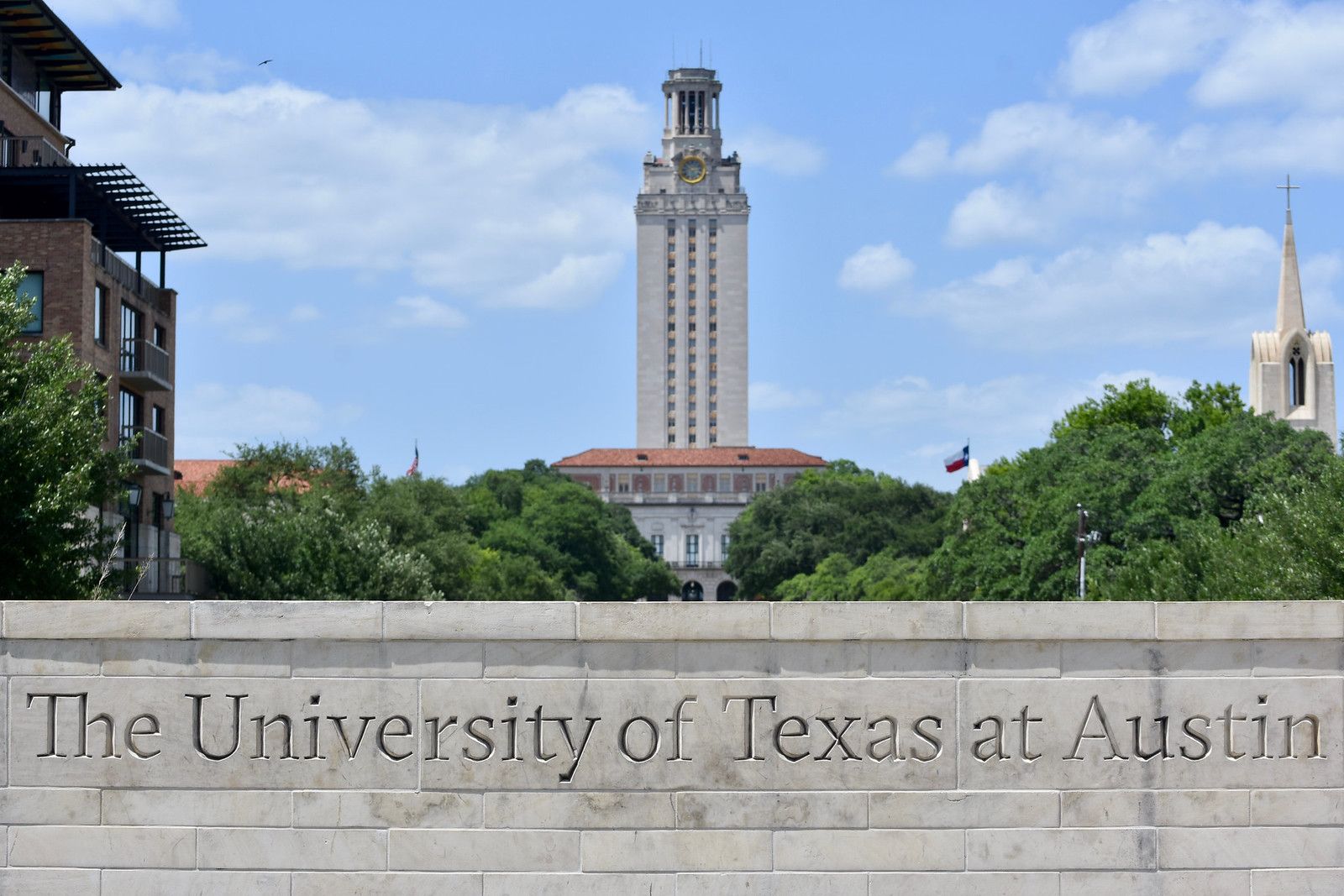
The University of Texas at Austin (UT), just an hour up I-35 from San Antonio, has become part of the latest battleground in President Donald Trump’s plan to remake American education.
UT is one of nine institutions the Trump administration has asked to sign, “Compact for Academic Excellence in Higher Education”, a 10-point contract promising easier access to “substantial and meaningful federal grants” for universities willing to meet the administration’s new conditions.
According to The Wall Street Journal, the compact centers heavily on regulating campus political culture. It directs universities to dismantle any departments accused of “promoting or inciting hostility toward conservative ideas,” and instructs that faculty and staff be barred from expressing political opinions in any official capacity representing their institution.
More requests among the compact include: prohibiting the use of race or sex in admissions and hiring decisions, capping international undergraduate enrollment at 15%, reinstating mandatory standardized testing like the SAT, enforcing strict political neutrality across campuses, cracking down on campus protests deemed “disruptive,” refunding tuition to students who withdraw within their first year, and requiring grading systems that “strictly reflect demonstrated mastery of the subject.”
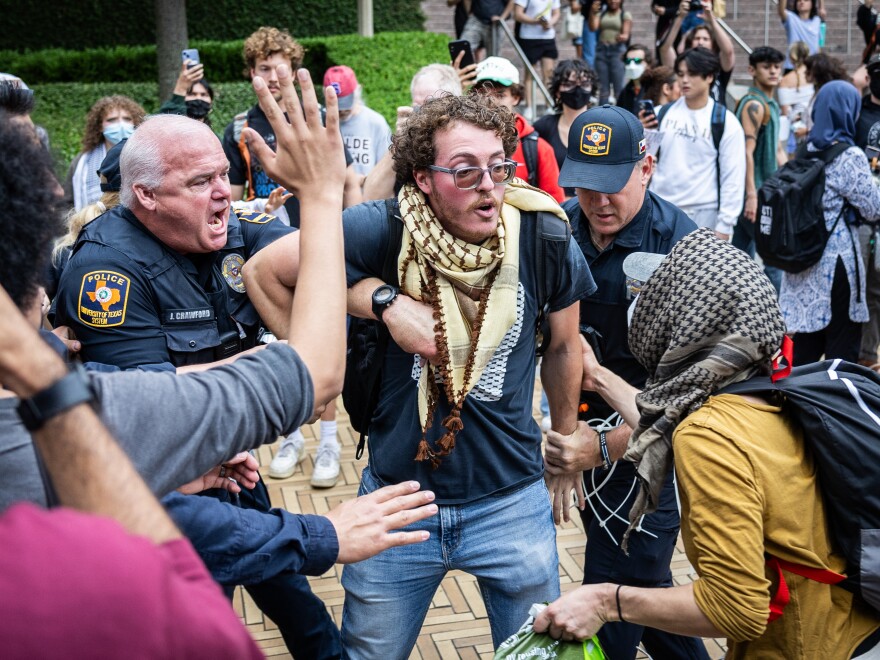
Michael Minasi / KUT
From Washington to Austin: A Federal Agenda Hits Home
UT System Board of Regents Chairman Kevin P. Eltife responded to the Trump administration’s offer with enthusiasm, calling it an “honor” for the university to be selected.
“We welcome the new opportunity presented to us and look forward to working with the Trump administration on it,” Eltife said in a statement.
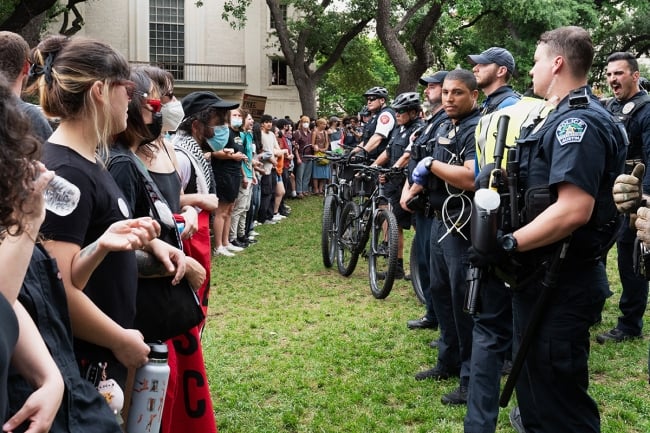
But not everyone at UT shares that optimism. Professor of Education David DeMatthews warned the compact represents “unprecedented federal intrusion” into university governance.
Students, too, are wary:
I really hope to see UT stand up for itself,” said sophomore Smeet Jaokar. “If we accept money with these conditions, it won’t be the same UT we signed up for.
The Texas Faculty Association went further, calling the compact “another attack by President Trump on academic freedom,” while the UT chapter of the American Association of University Professors warned that it “trades autonomy for subservience.”

A Broader Pattern of Federal Control, Harvard Stood Up
The UT standoff mirrors ongoing conflicts between the Trump administration and elite universities nationwide. In late September, a federal judge sided with Harvard University after the White House blocked $2 billion in grants and attempted to strip its tax-exempt status.
Similar investigations have been launched against Columbia, Brown, and the University of Pennsylvania institutions accused by Trump officials of fostering “hostile liberal environments.”
Texas Caught Between Autonomy and Alignment
For UT Austin, the pressure lands at a politically convenient moment. The Texas Legislature has already advanced several measures in line with the compact’s principles banning gender studies, redefining “sex” under state law, and freezing tuition through 2027.
One of the most symbolic moves came earlier this year, when lawmakers passed a bill requiring all Texas public classrooms from elementary schools to universities to display the Ten Commandments.
Governor Greg Abbott, Lieutenant Governor Dan Patrick, and House Speaker Dade Phelan have supported tighter state control over curriculum and hiring practices, echoing Trump’s call to “restore education to the states.”
Still, UT’s reputation as a major research institution and global academic center complicates the calculus. Accepting the compact could make Texas the face of a national ideological realignment in higher education and risk billions in existing partnerships and grants.
As one UT senior, Andrea Lañas, put it:
“If the university signs this, it’s choosing politics over progress. And that’s not what education is supposed to be.”
The Stakes for Higher Education
The “Compact for Academic Excellence” marks a significant moment in the evolving relationship between the Trump administration and higher education. Supporters of Trump view the initiative as a step toward their end goal, while everyone else see it as a attempt to redefine who holds authority over knowledge, and the principles that guide American education.
The future of the Department of Education remains uncertain, as any formal dissolution would require congressional approval. At the same time, recent legal disputes involving universities such as Harvard highlight the growing role of federal funding as a point of influence in education policy.
For Texas, the question isn’t just whether UT signs, it’s whether the school will accept a deal that would end academic independence.