





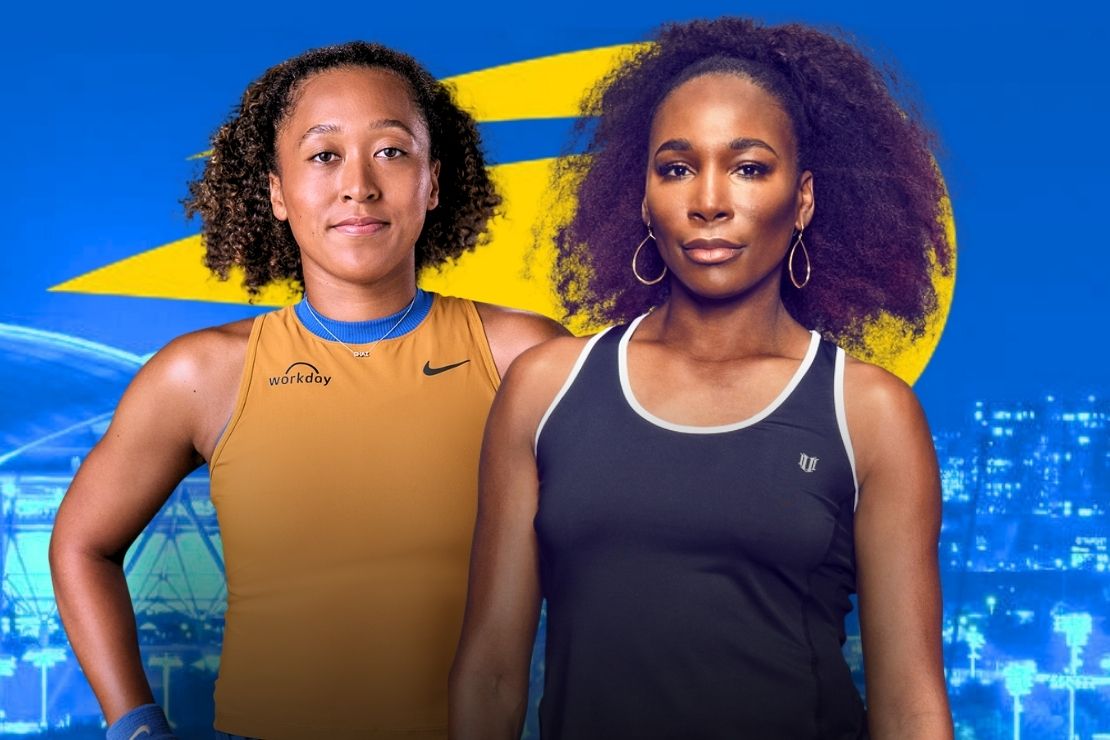
From Williams to Gauff and Osaka, US Open 2025 Carries Forward Althea Gibson’s Legacy
Seventy-five years after Althea Gibson broke tennis’ color barrier, the 2025 US Open has become a showcase of her legacy. With ten women of color competing in the main draw, this year’s tournament is the most representative in more than a decade, and on Monday afternoon, the spotlight belonged to Coco Gauff and Naomi Osaka.
A Rematch Years in the Making: Osaka Takes It
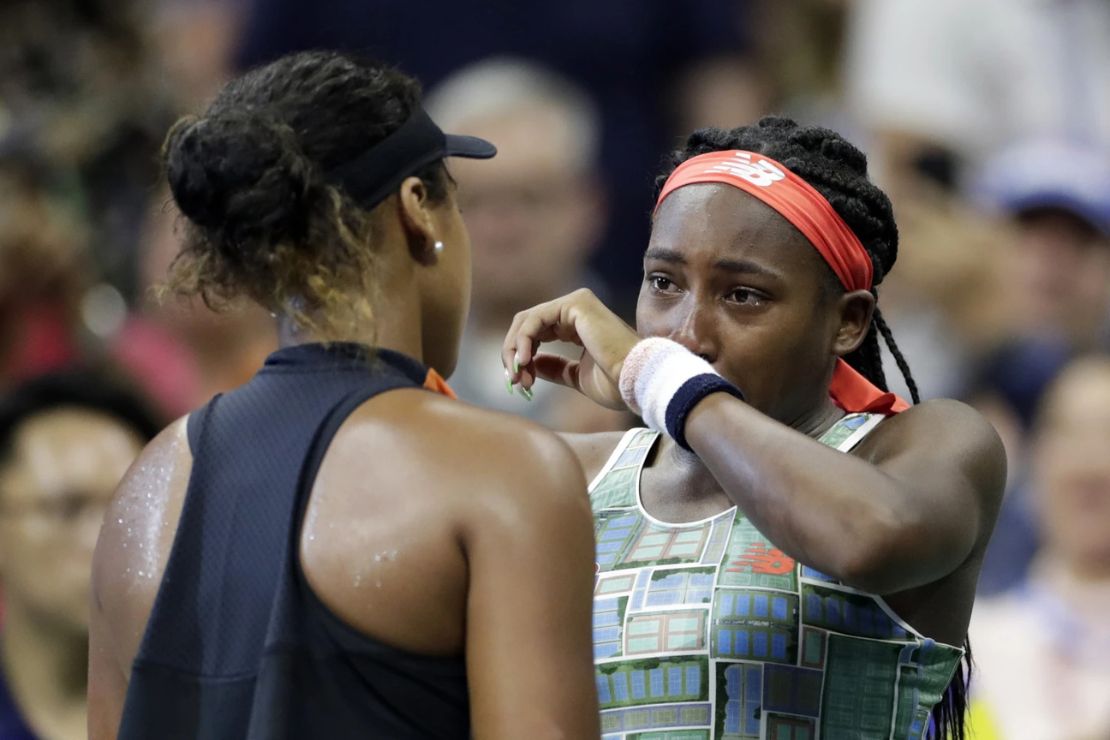
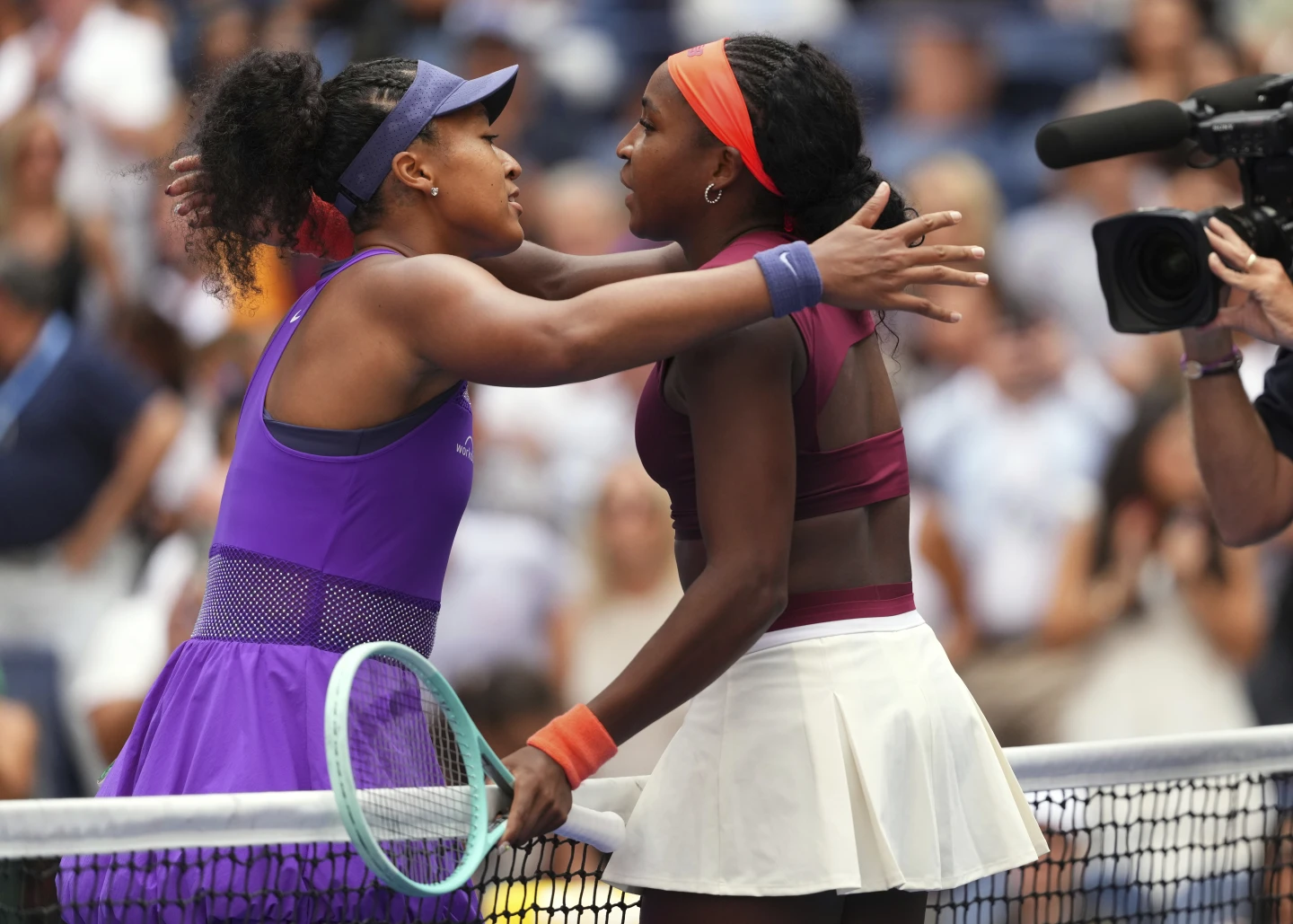
Osaka defeated Gauff on Labor Day in Arthur Ashe Stadium, winning 6-3, 6-2 to advance to her first Grand Slam quarterfinal since 2021.
Six years after their emotional first encounter at the US Open in 2019, they returned as champions—Gauff No. 3 seed, the 2023 US Open and 2025 French Open winner, and Osaka 23rd seed, the 2018 and 2020 US Open champion.
Both came in with resumes that define a generation: Gauff, at just 21, already viewed as the face of the sport, and Osaka, now 27, balancing motherhood and a renewed run at the top of the game. Their meeting felt like a collision of past, present, and future at once.
Honoring Althea Gibson & HBCUs
The tournament itself has leaned into that sense of history. On August 25, which would have been Gibson’s 98th birthday, the USTA honored her trailblazing career and the 75th anniversary of her 1950 debut at what was then called the U.S. National Championships. Gibson’s achievements have often been overlooked despite her being the first Black player to win a Grand Slam title—predating Arthur Ashe by more than a decade.
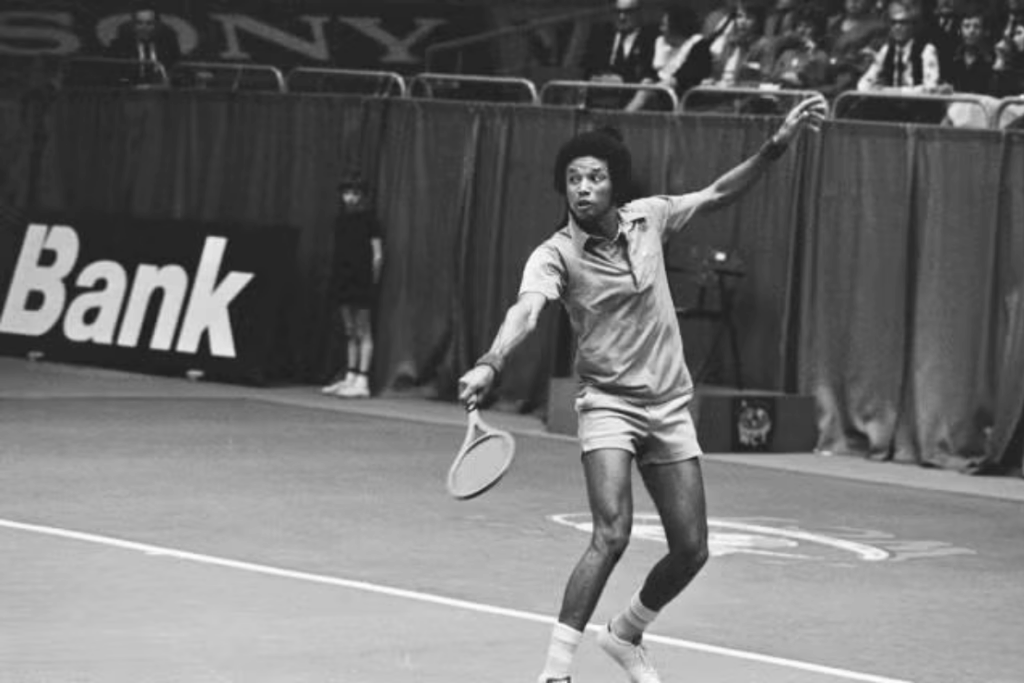
Tennis legend Billie Jean King stated, “If it hadn’t been for her, it wouldn’t have been so easy for Arthur or the ones who followed.” This week in New York, the truth of that statement is on full display.
Ashe, the namesake of the US Open’s showpiece and 1968 winner, once again of Gibson: “Althea Gibson, of course, was the pioneer. She was the one who had the courage to be the first, and when she did that, she made it possible for all the rest of us.”
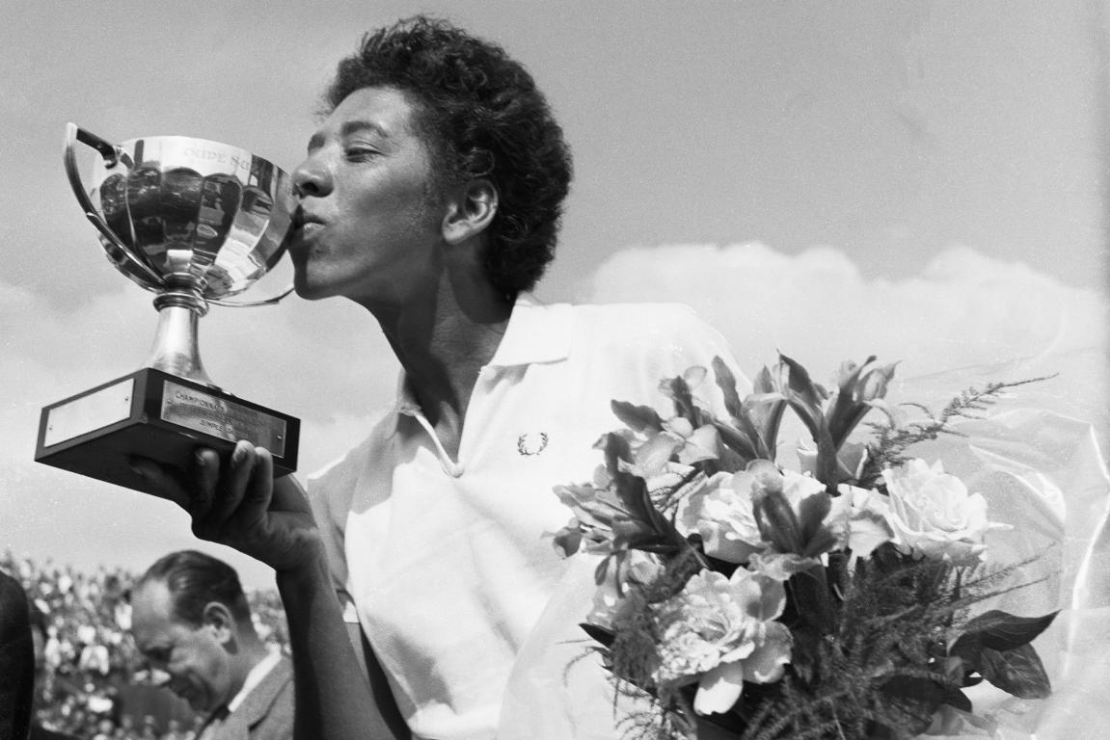
Returning for its fifth year at the 2025 US Open, HBCU Live celebrated the culture, legacy, and pride of Historically Black Colleges and Universities (HBCUs). This year’s event carried special weight, aligning with the tournament’s theme honoring the 75th anniversary of Althea Gibson breaking the color barrier in tennis. Gibson, an alumna of Florida A&M University, achieved a milestone that transformed the sport and opened doors for countless athletes who followed.
Defining Moments Across the Draw
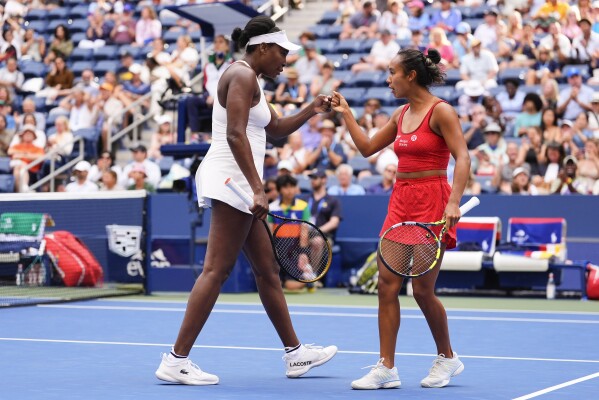
From seasoned champions to new contenders, US Open has already produced a tournament full of defining moments. Venus Williams first-round loss didn’t diminish the ovation she received, and she remains alive in doubles alongside Leylah Fernandez, where the pair has reached the quarterfinals.
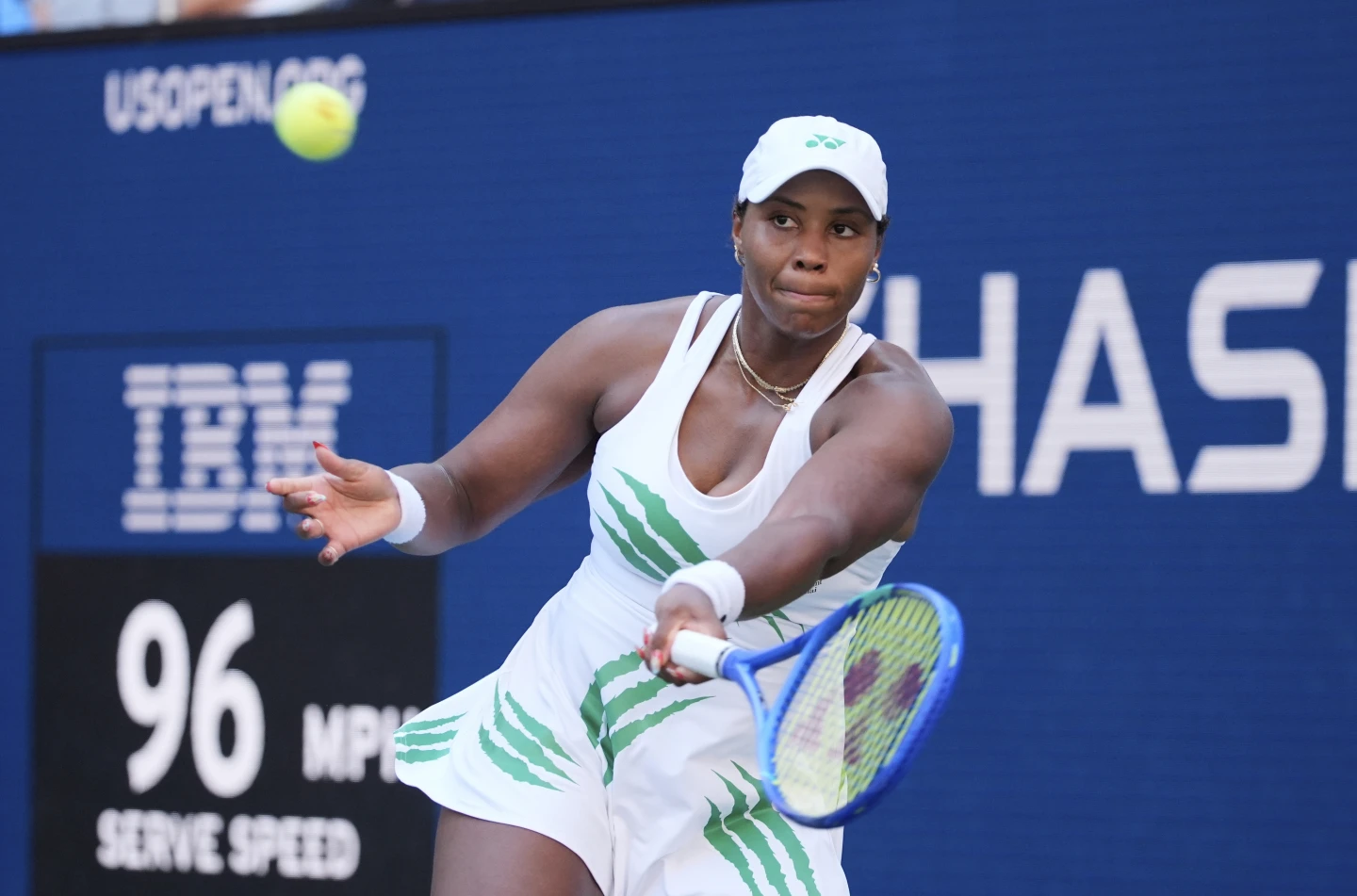
Taylor Townsend’s run ended in heartbreaking fashion on Sunday. After upsetting Jelena Ostapenko in the second round and becoming a fan favorite, Townsend couldn’t convert eight match points against Barbora Krejcikova, eventually falling 1-6, 7-6(13), 6-3 in a dramatic battle on Louis Armstrong Stadium.
Hailey Baptiste, 23, is making a breakthrough, even in defeat. She fell to Osaka in the second round but left fans buzzing about her rising power game.
Even the younger generation is making itself known. Victoria Mboko, fresh off her historic title in Montréal, bowed out early but left little doubt that her trajectory points toward greatness. Alycia Parks and others were also grinding through the draw with eyes on second-week breakthroughs.
Final Week of a Historic US Open
Through it all, the symbolism is unmistakable. From Gibson to Serena and Venus, to Osaka and Gauff, the US Open has long been the site of firsts, milestones, and cultural moments. This year, it feels like a culmination.
The US Open isn’t over yet — the final week of matches continues through Sunday, September 7. Though as the rest of of week unfolds the legacy is clear: Gibson’s presence is alive on every court, every night session, every cheer for the players whose presence shows the strength of the game.