





AT A GLANCE
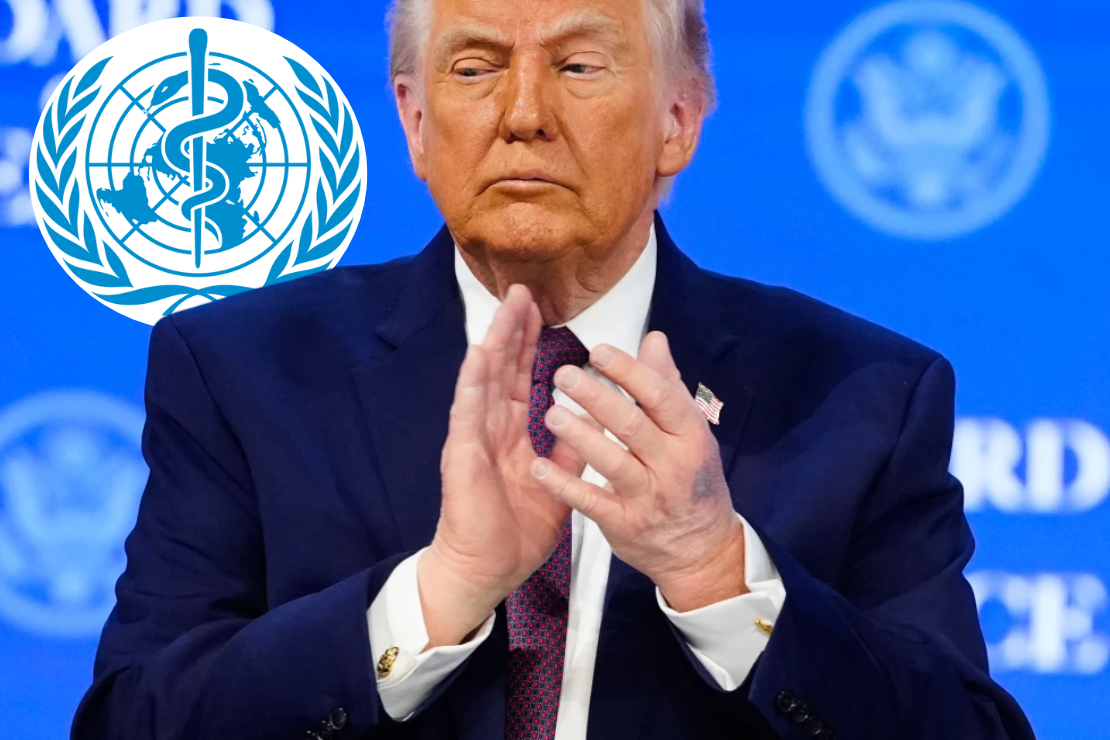
- The United States has officially completed its withdrawal from the World Health Organization, ending a 78-year membership that began in 1948.
- The WHO says the U.S. still owes more than $130 million in unpaid dues for 2024 and 2025, a claim the Trump administration disputes.
- Public health experts warn the exit will weaken global disease surveillance, vaccine development, and the U.S. ability to detect and respond quickly to new pandemics.
- U.S. officials say they plan to rely on direct data-sharing agreements with other countries, though few details have been provided and experts question how effective those arrangements will be.
Trump Administration Finalizes U.S. Exit From World Health Organization
The United States has finalized its withdrawal from the World Health Organization, ending a 78-year relationship with the United Nations’ global health agency, federal officials said Thursday, one year after President Donald Trump announced the move.
The separation, however, is far from complete.
The U.S. still owes more than $130 million to the World Health Organization, according to the agency, and Trump administration officials acknowledge that unresolved issues remain, including the loss of access to international health data that can provide early warning signs of emerging pandemics.
Public health experts warn the decision will significantly weaken the global response to disease outbreaks and undermine the ability of U.S. scientists and pharmaceutical companies to develop vaccines and treatments for new threats. Lawrence Gostin, a public health law expert at Georgetown University, called the withdrawal catastrophic.
“In my opinion, it’s the most ruinous presidential decision in my lifetime,” Gostin said.
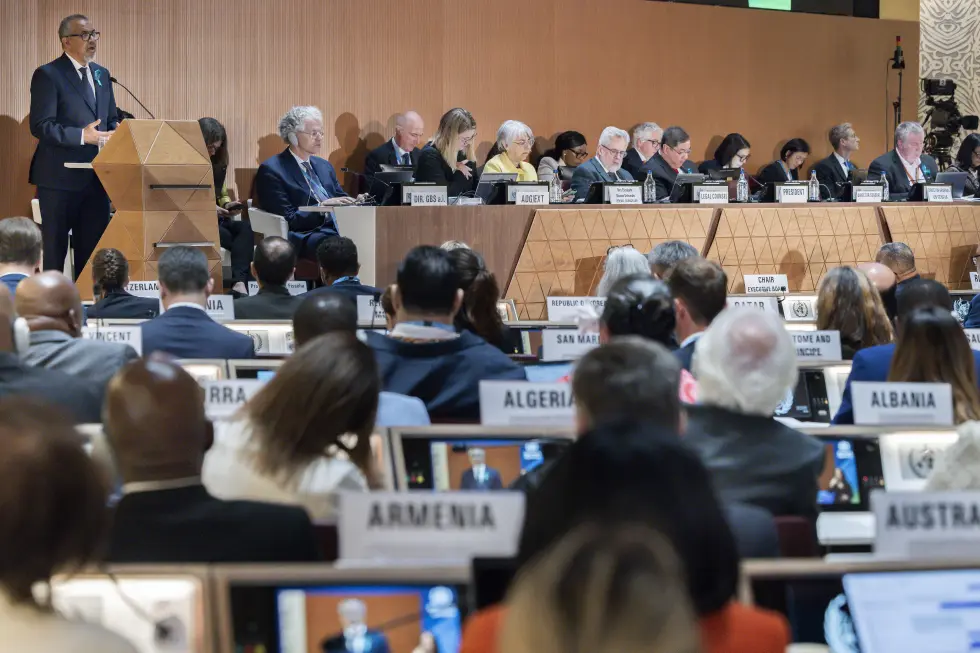
The WHO is mandated to coordinate responses to global health emergencies, including outbreaks of mpox, Ebola and polio. It also provides technical assistance to lower-income countries, helps distribute limited vaccines and medical supplies, and sets international health guidelines for hundreds of conditions, ranging from mental health to cancer care. Nearly every country in the world belongs to the organization.
The U.S. played a central role in the WHO’s founding in 1948 and has historically been one of its largest financial contributors, supplying hundreds of millions of dollars annually along with specialized expertise from agencies such as the U.S. Centers for Disease Control and Prevention.
On average, the U.S. pays about $111 million a year in mandatory membership dues and contributes roughly $570 million more through voluntary funding, according to the U.S. Department of Health and Human Services.
Trump cited the WHO’s handling of the COVID-19 pandemic as a primary reason for withdrawing. In an executive order issued shortly after taking office, he accused the organization of mismanaging COVID-19 and other health crises, failing to implement necessary reforms, and lacking independence from political influence by member states.
The WHO, like many public health institutions, made significant missteps during the pandemic, including early guidance discouraging mask use and maintaining for years that COVID-19 was not airborne — a position it did not formally reverse until 2024.
Trump administration officials have also criticized the organization’s leadership history, noting that none of the WHO’s nine directors-general since its creation have been American. They argue that is disproportionate given the level of U.S. funding and staffing support.
Health experts say the consequences of withdrawal extend far beyond politics. The U.S. has stopped participating in WHO committees, governance bodies, and technical working groups, including those that monitor circulating flu strains and help determine updates to seasonal influenza vaccines. That withdrawal also means the U.S. is no longer part of global flu surveillance systems that guide vaccine development.
Dr. Ronald Nahass, president of the Infectious Diseases Society of America, described the move as “shortsighted and misguided,” warning it could jeopardize efforts to eradicate polio, protect maternal and child health, and detect emerging viral threats.
Gostin said the loss of disease intelligence could leave the U.S. dangerously unprepared. Global data sharing has historically allowed Americans to be “at the front of the line” when new outbreaks occur and when vaccines or treatments are urgently needed.
Trump administration officials counter that the U.S. maintains bilateral public health relationships with many countries and is working to secure direct data-sharing agreements without the WHO acting as an intermediary. They did not specify how many such agreements are in place.
Gostin expressed skepticism, noting that many emerging diseases are first detected in countries such as China or in parts of Africa, regions where diplomatic and trade tensions could complicate cooperation. “Is China going to sign a contract with the United States?” he asked. “Are countries Trump has hit with steep tariffs going to freely share their data? The claim is almost laughable.”
Gostin also argues the president may have exceeded his authority by withdrawing from the WHO, saying the U.S. joined the organization through an act of Congress and that congressional approval is required to leave.
Under WHO rules, member nations must provide one year’s notice before withdrawing and are obligated to settle outstanding financial commitments. The WHO says the U.S. has not paid its 2024 or 2025 dues, leaving an unpaid balance of more than $133 million.
An administration official disputed that interpretation Thursday, saying the U.S. had no legal obligation to pay dues accrued before its withdrawal became final.