





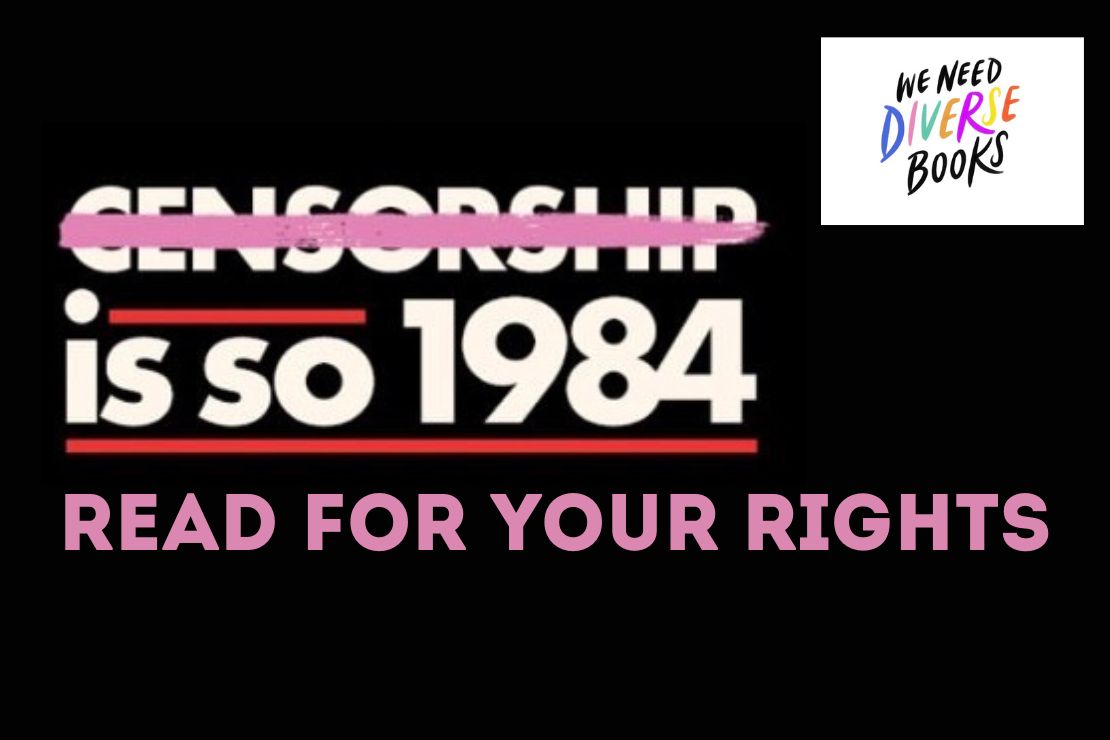
A New National Effort Is Working to Place Banned Books into Schools and Protect Students’ Right to Read
A new national effort is launching to confront the growing number of books being removed from schools and libraries, with Texas and Florida among the first states targeted along with 20 other states. The Unbanned Book Network aims to expand access to diverse literature by distributing books that have been banned or challenged and supporting schools facing censorship pressures.
Organizers say the initiative is responding to what they describe as a dual crisis: declining literacy rates and a sharp rise in efforts to restrict what students are allowed to read.
We’re not only facing an ongoing literacy crisis in the U.S., we’re also battling increased rates of censorship, which is infringing on our students’ right to read.
Dhonielle Clayton, a leader with the organization behind the effort.
Related: A First-of-its-Kind Ban on All Outside Books From Prisons
Author Ambassadors and School Partnerships
As part of the rollout, the Unbanned Book Network is placing author ambassadors in 20 school districts across the country, many located in states where book bans have been most aggressive. Participating authors include writers whose books have been challenged for addressing race, gender, identity, and social issues.
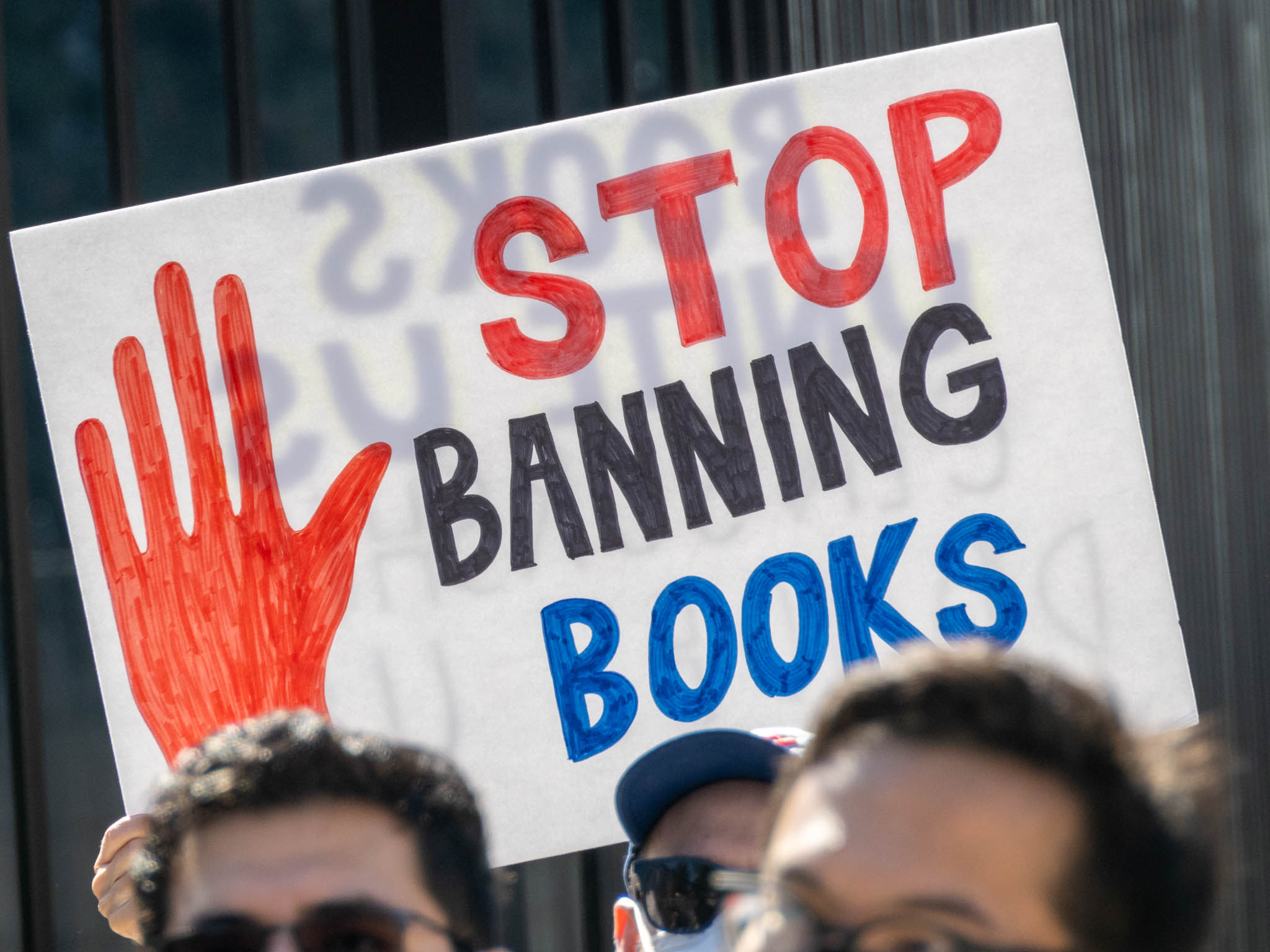
The program will also donate books directly to schools and libraries that have lost access to certain titles due to local or state restrictions. Organizers say the goal is not only to provide books, but to create ongoing relationships between educators, students, and authors.
Book Bans Disproportionately Impact Diverse Voices
Advocates note that books by authors of color and LGBTQ+ writers are among those most frequently challenged. Titles exploring identity, history, and lived experience are often the first to be removed, limiting students’ exposure to perspectives beyond their own.
Supporters of the Unbanned Book Network argue that access to diverse literature plays a critical role in student development. “Books can change how young people see themselves and the world,” Clayton said, adding that removing those stories sends a damaging message to students whose identities are already underrepresented.
A Growing Movement to Defend the Right to Read
The Unbanned Book Network joins a broader national push by educators, authors, and community advocates working to defend intellectual freedom. Organizers say they hope the effort will serve as both a practical response to censorship and a statement that students deserve access to a full range of ideas.
As book challenges continue to rise, advocates say the fight over what students can read is far from over.