






At a Glance: What This Debate Is Really About
Why Residents Are Watching Minnesota
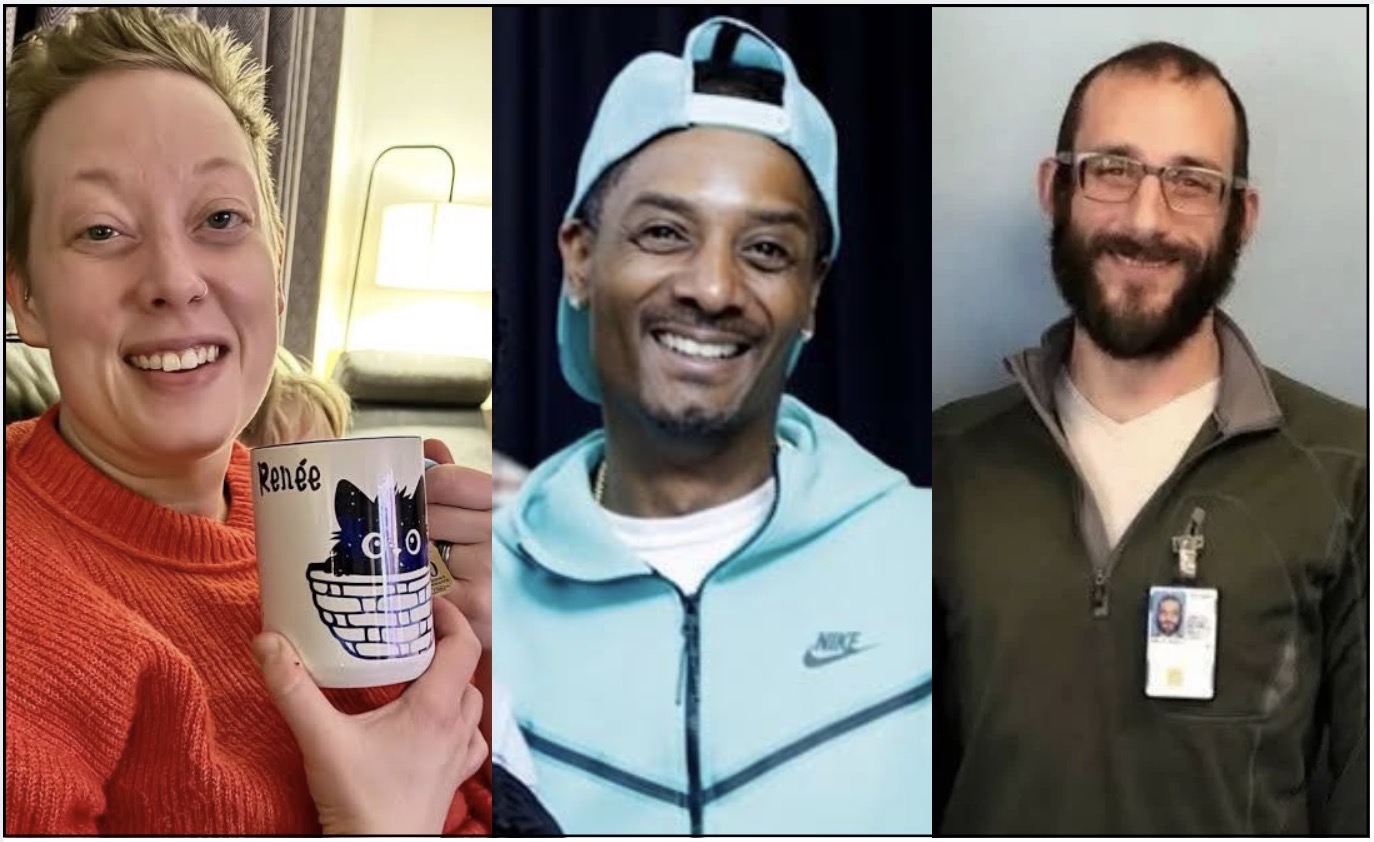
- Obama: ICE tactics “endanger residents” after two fatal shootings in the area
- Walz: Calls for federal operations to halt
- Ocasio-Cortez: Urges Congress to cut ICE funding
- Judge orders evidence preserved in Alex Pretti killing
What Texas Law (SB 4) Does — and Does Not — Require
- Requires: Cooperation with federal enforcement; status questions during lawful stops
- Does not require: Local immigration enforcement; silence from city leaders
- Bottom line: SB 4 limits policy — not leadership
Other Cities Faced Constraints — and Spoke Clearly Anyway
- Chicago: Police are not immigration agents
- Los Angeles: Local law enforcement protects communities
- New York City: Blurring roles erodes trust
San Antonio Council Divided on ICE as Residents Demand Clarity and Protection
As San Antonio City Council convened for a rare special session on immigration enforcement, the most forceful stance did not come from the dais — it came from the public microphone.
Former San Antonio Mayor and Democratic candidate for county judge Ron Nirenberg, who attended the meeting and spoke during public comment, warned that aggressive immigration enforcement is eroding the trust that defines the city.
Rejecting the framing of immigration as a public safety threat, he added, “Immigration isn’t a threat to us — it’s a strength. What really threatens our safety is unchecked power. What we are seeing play out across the country is aberrant, and we have an obligation to stand up for our neighbors.”
“These are moments that define ourselves as a community,” Nirenberg said. “The soul of San Antonio lives in the trust we’ve built as a community. That trust is founded in the compassion we have for our neighbors, maintained by the dignity in which we act, and tested by our ability to know right from wrong.”
Why the Mayor Called the Session
Mayor Gina Ortiz Jones said she convened the session to clarify how the city cooperates with federal agencies — including U.S. Immigration and Customs Enforcement — and to give residents a forum to voice fear and learn about their rights during what she described as a “challenging time.”
“I have called this special session so that we can have a transparent dialogue on the legal guidelines shaping the city’s collaboration on federal and state law enforcement activities,” Mayor Jones said. “This will also be an opportunity for all members of the public to share their thoughts, concerns, and ideas on this issue.”
More than 180 residents signed up to speak, stretching public comment to nearly six hours and forcing multiple recesses as chants, interruptions, heckling, and name-calling halted proceedings.
“We understand — look at this council. Just look at us,” Mayor Jones said. “We share, frankly, in your fear and in your frustration, which is why it was important for us to have this public discussion.”
Related: “This Has To Stop” – The Obamas
District 5: Fear as Lived Reality
Councilwoman Terri Castillo, who represents one of San Antonio’s lowest-income districts, framed the session as long-overdue clarity.
“Today’s special session brought clarity to what had long been left undefined: the collaboration between SAPD and ICE,” Castillo said. “When communities are left in the dark, fear grows, trust collapses, and real harm follows.”
“I stand in solidarity with the San Antonio community that is currently living in fear, under threat of detention, deportation, and criminalization for simply existing,” she said. “Our city should never be complicit in systems that dehumanize our residents or undermine public trust.”
“Justice requires that we draw a clear line between local public safety and federal immigration enforcement,” Castillo said. “I will continue to push for transparency, accountability, and an end to practices that endanger our communities.”

District 10: Distance Framed as Deference
Councilman Marc Whyte emphasized cooperation with federal agencies and redirected responsibility away from City Hall.
“Congress is the only entity that can make the appropriate changes to immigration reform,” Whyte said.
Congress writes immigration law. Cities decide how clearly they draw boundaries and whether they acknowledge fear or minimize it. San Antonio retains that authority.
Whyte represents one of the city’s wealthiest and most insulated districts, where ICE enforcement is rarely visible and fear does not shape daily life.
District 9: When Fear Is Dismissed — and Why It Matters
District 9 Councilwoman Misty Spears cautioned against what she described as “unnecessary panic,” urging restraint in rhetoric and emphasizing cooperation with federal agencies.
“When our actions or rhetoric create fear — fear of going to work or fear of sending children to school — we are not meeting that responsibility,” Spears said.
To residents who waited hours to speak, fear was not created by rhetoric. It was shaped by lived experience — and by watching what is happening beyond San Antonio’s borders. Like District 10, District 9 is among the city’s wealthier and most insulated areas. From that distance, fear can be framed as messaging rather than survival.
For residents in San Antonio’s most vulnerable districts, the events outlined above are not distant headlines. They are evidence that fear is rational — and that dismissing it as panic ignores what is unfolding in real time.
Senate Bill 4 (2017)
City officials repeatedly cited Texas Senate Bill 4 (2017) as the legal framework governing local cooperation with federal immigration authorities. What the law does not require, however, is local police enforcing immigration law, or city leaders minimizing fear, blurring boundaries, or remaining silent in moments of crisis.
During a separate briefing earlier in the week, SAPD leadership emphasized that while cooperation with federal agencies is required by state law, local officers do not enforce immigration law themselves — a distinction residents said was notably absent from some council members’ public framing.
The Split
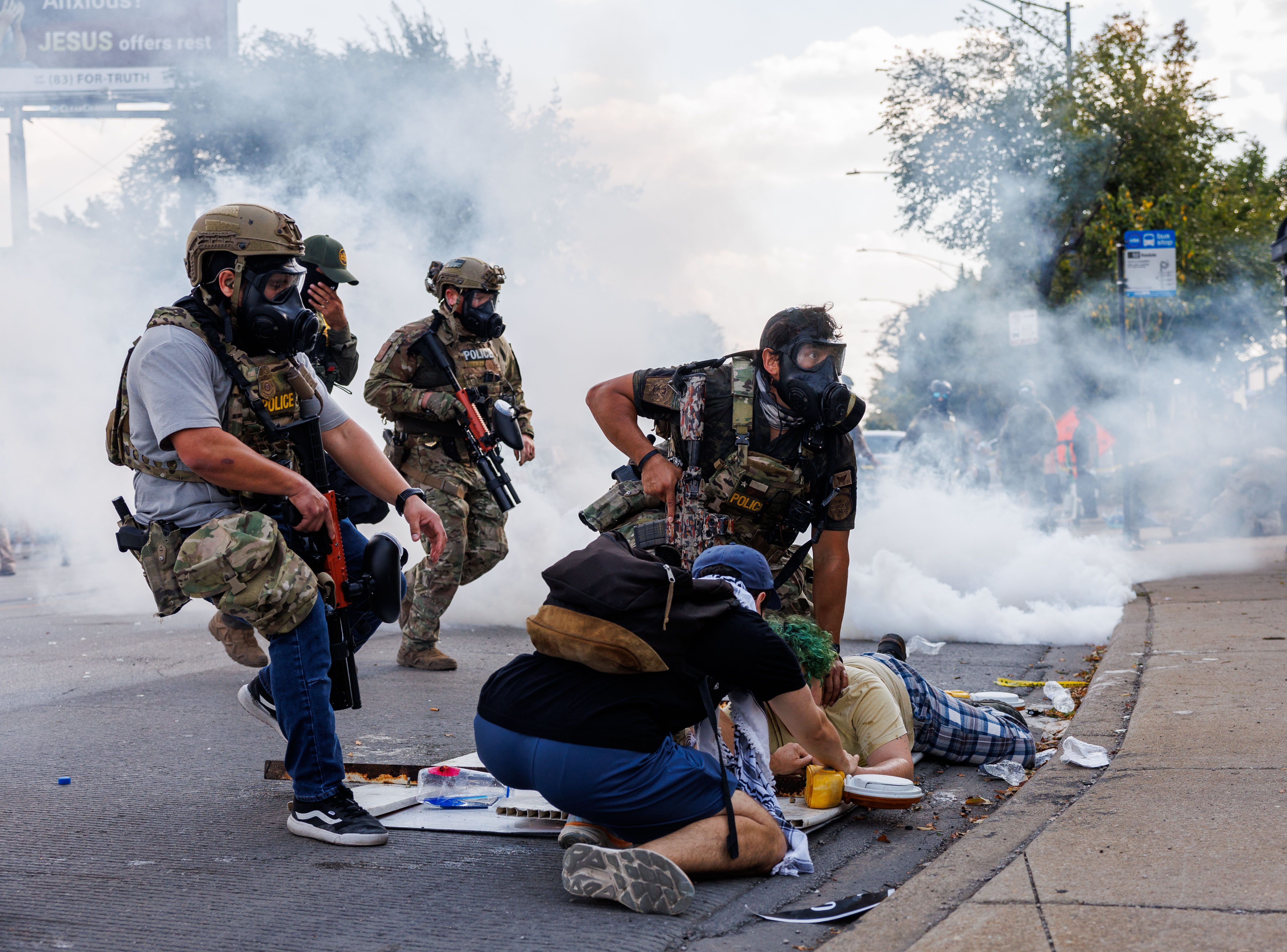
No official action was taken at the special session. Several council members criticized ICE’s enforcement tactics and urged greater transparency around federal requests for local support. Councilman Marc Whyte and Spears defended cooperation with federal agencies and framed immigration enforcement as a public safety necessity.
As the meeting closed, Mayor Gina Ortiz Jones warned that the broader federal posture was escalating beyond policy debate.
“We’ve got federal leaders talking about the Insurrection Act,” Mayor Jones said. “When you see the deployment of troops into communities, it’s a different game. It’s a different time.”
She urged residents to act civically.
“What we are dealing with is in fact the result of an election,” Mayor Jones said. “February 2nd is the last day to register to vote before the March 3rd primary. Please make sure you take the time to do that.”
This was not a debate about whether federal law applies in San Antonio. It was a test of whether leaders who do not live with fear are willing to take responsibility for those who do. For many residents watching from the gallery — and from home — the response from Districts 9 and 10 made that answer clear.