





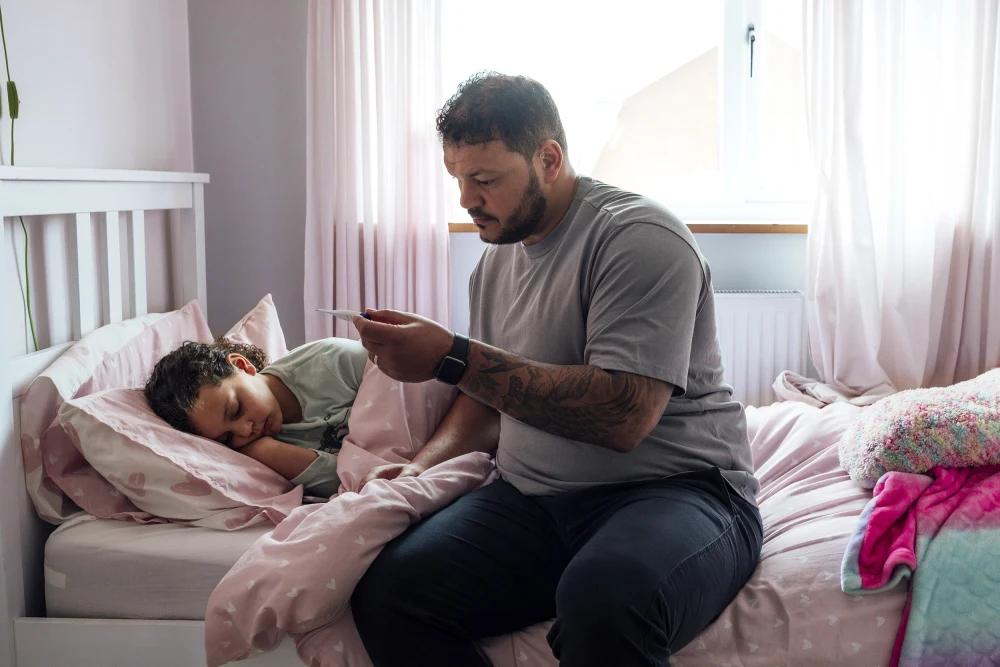
Doctors Reaffirm That Acetaminophen Is Safe When Used Properly And That Fevers Aren’t the Enemy
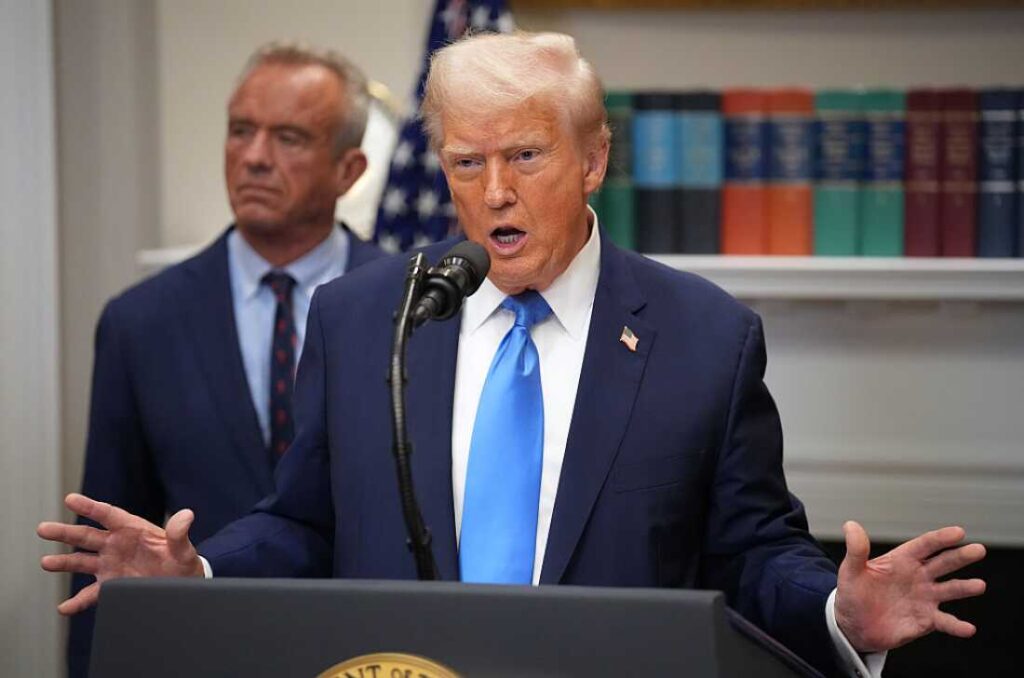
Parents across the country are second-guessing a staple of their medicine cabinets after President Donald Trump urged pregnant women and parents to avoid Tylenol. His claim — that the pain reliever may cause autism — has no scientific backing and has caused unnecessary panic among parents and pediatric patients alike.
“I’m scared to give my baby Tylenol now,” one mother wrote online after her 7-month-old developed a fever. Another parent brought an infant with a 103-degree fever to the ER, admitting they were “too afraid” to give acetaminophen because of Trump’s warning.
The president, who has no medical training, told parents and expectant mothers to “tough it out,” statements that experts say could lead to avoidable suffering — and even dangerous complications.
The American Academy of Pediatrics swiftly debunked Trump’s assertions, writing that studies “don’t find a causal link between acetaminophen and autism.” The group warned that spreading false claims about the drug’s safety “sends a confusing, dangerous message to parents and expectant parents.”
“Fever has value in fighting infection,” said Dr. Molly O’Shea, a Michigan pediatrician and AAP spokesperson. “But there’s a tipping point where that value is lost — when the child is too uncomfortable to eat or drink. That’s when reducing the temperature makes sense.”
Doctors stress that a high number on the thermometer isn’t automatically dangerous. During the 2009 H1N1 pandemic, 6-year-old Seth Creech’s fever spiked to 106°F — but his father, Dr. Buddy Creech, a pediatric infectious disease specialist, knew his son’s body could handle it.
“In a normal, healthy child, the body is well calibrated to stay in a safe range,” Creech said. “What worried me wasn’t the number — it was how sick he looked.”
After a dose of Tylenol and ibuprofen, Seth’s fever dropped, and he was back to playing Legos. He’s now a healthy 22-year-old college student.
Creech says parents should focus on how their child feels and behaves, not just the temperature reading. The AAP advises calling a pediatrician for fevers above 104°F in older children or 100.4°F in babies under 3 months.
There’s no evidence that giving Tylenol or other fever reducers prolongs illness. The greater risk, doctors say, is misinformation.
“Parents should feel very safe giving their kids Tylenol when they need it,” said Dr. Creech. “It’s about comfort and hydration, not fear.”