




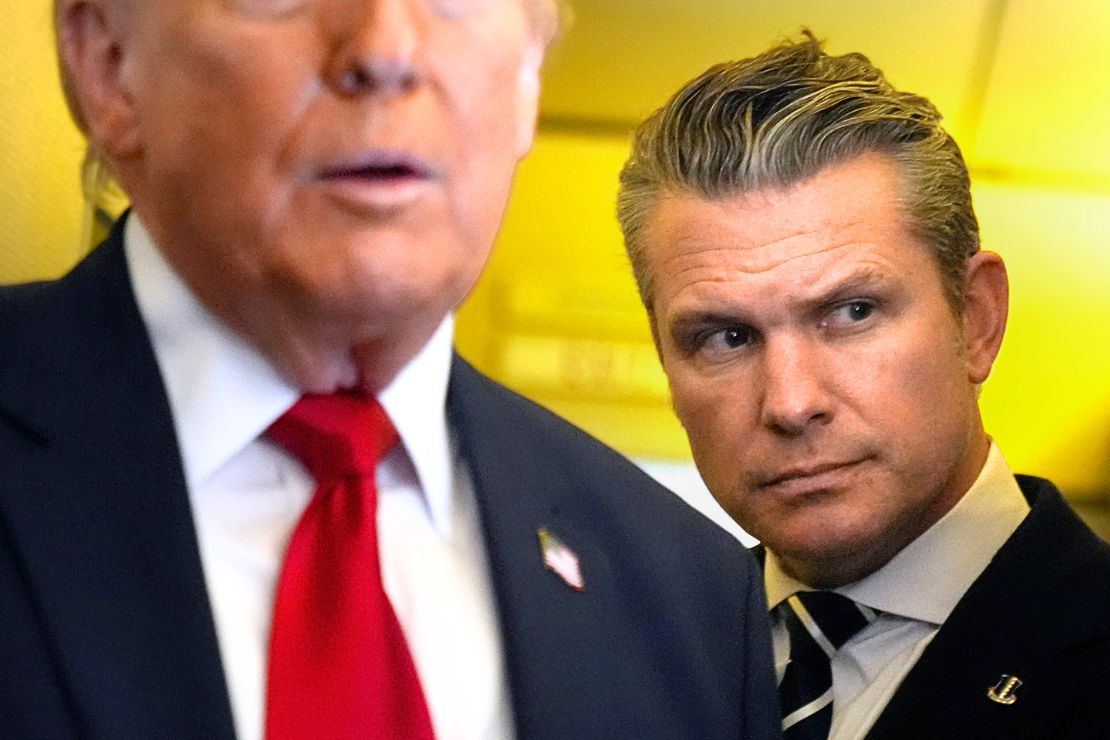
Trump Administration Pressures Media On War Coverage As Top Counterterrorism Official Resigns In Break With Administration
The Trump administration is intensifying its efforts to influence how the war in the Middle East is reported, applying pressure on journalists through public criticism, regulatory warnings, and restricted access to information, as internal divisions also surfaced with the resignation of a top counterterrorism official over the conflict.
President Donald Trump and his aides have openly challenged news outlets whose reporting conflicts with the administration’s messaging, signaling a broader push to reshape how the conflict is presented to the public.
Trump has repeatedly criticized coverage he views as unfavorable, taking to social media to accuse outlets of distorting facts and downplaying U.S. military success. In one post, he argued that reports exaggerated the damage to planes struck during an Iranian attack at an airport in Saudi Arabia, claiming the media had fallen for false narratives.
He also accused what he called “Corrupt Media Outlets” of amplifying misinformation and ignoring positive developments, writing that the media “hates to report” on how well the U.S. military has performed.
While tensions between the White House and the press are not new, the tone and tactics in recent days reflect a more aggressive posture that critics say edges into dangerous territory for press freedom.
Clash On Air Force One Highlights Growing Hostility
The administration’s strained relationship with the press was on full display during a tense exchange aboard Air Force One.
While returning to Washington from Florida, Trump objected to a question from ABC News reporter Mariam Khan regarding a fundraising message that used a photo from a dignified transfer ceremony honoring fallen U.S. service members.
When Khan identified herself as being with ABC News, Trump responded sharply.
“I think it’s maybe the most corrupt news organization on the planet,” he said. “I think they’re terrible.”
The moment underscored a broader pattern of public confrontations between the president and journalists, as well as the administration’s willingness to single out specific outlets for criticism.
FCC Warning Raises Legal And Constitutional Questions
At the same time, federal regulators have entered the conversation in a way that is raising alarms among legal experts.
Federal Communications Commission Chairman Brendan Carr issued a warning over the weekend suggesting that broadcasters could face consequences for airing what he described as “fake news.”
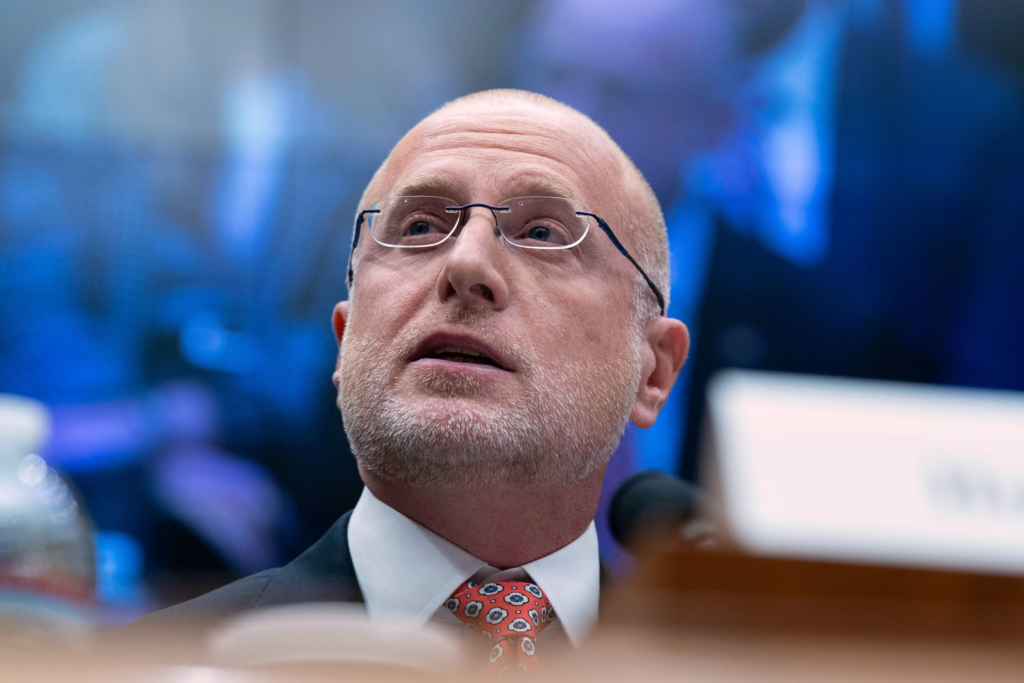
“Broadcasters that are running hoaxes and news distortions — also known as fake news — have a chance now to correct course before their license renewals come up,” Carr wrote on social media. “The law is clear. Broadcasters must operate in the public interest, and they will lose their license if they do not.”
The statement, which echoed Trump’s criticisms, has sparked concern about whether the federal government is attempting to exert control over editorial decisions.
Decades of court rulings have consistently upheld strong protections for the press under the First Amendment, limiting the government’s ability to regulate content. While the FCC does have authority over broadcast licenses, it does not regulate cable networks such as CBS, NBC and ABC nor does it have jurisdiction over print outlets like newspapers.
First Amendment attorney Floyd Abrams said that attempting to punish broadcasters over coverage decisions would likely violate constitutional protections.
“The broadcast media is always at risk of a sort that newspapers are not,” Abrams said. “But at its core, they are protected by the First Amendment, and these statements by the chairman seem to me are directly threatening First Amendment interests and First Amendment principles.”
Abrams added that aggressive and independent war reporting is precisely the kind of journalism that serves the public interest and justifies the existence of a free press.
Pentagon Restricts Access As Officials Promote ‘Patriotic’ Reporting
Inside the Pentagon, Defense Secretary Pete Hegseth has taken additional steps that critics say further limit press access and independence.
Under new policies introduced by the administration, several major news organizations have been removed from their regular positions in the Pentagon press room after refusing to comply with updated rules governing coverage.
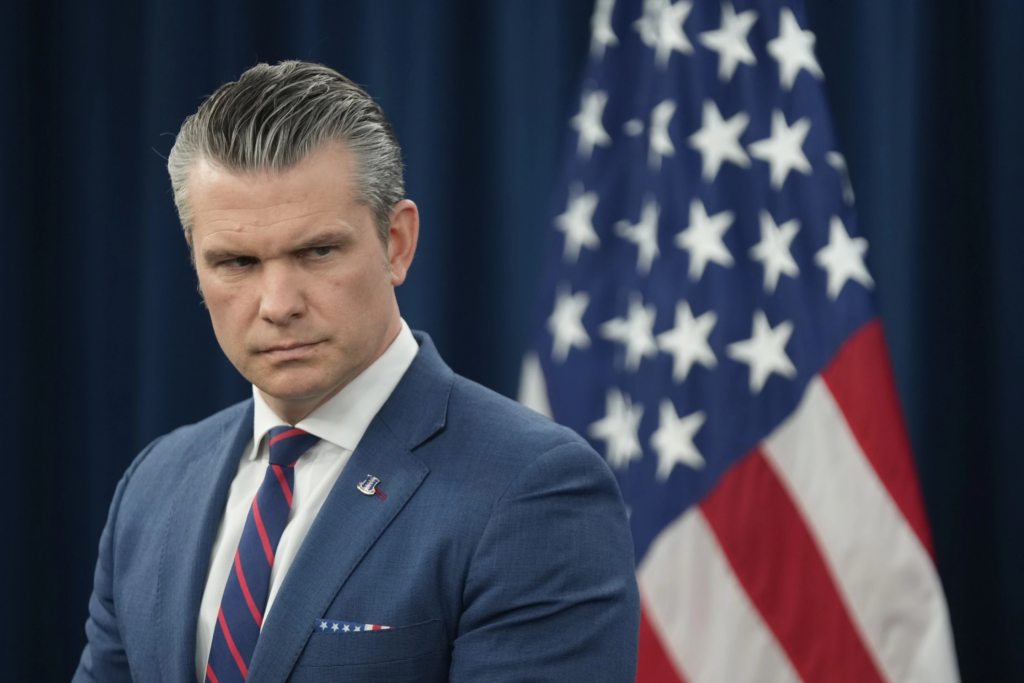
While some reporters from those outlets are occasionally allowed to attend briefings, access remains inconsistent, and Hegseth has frequently declined to take their questions. Still photographers have also been barred from briefings without explanation.
Hegseth has used official briefings to directly criticize media coverage, singling out CNN and dismissing its reporting on the administration’s preparedness for potential Iranian disruptions to global oil supply.
He went further, suggesting how headlines should be rewritten to reflect what he described as a more favorable or “patriotic” perspective.
“The sooner that David Ellison takes over that network, the better,” Hegseth said, referencing a pending corporate deal involving CNN’s parent company and expressing hope for more administration-friendly coverage.
Support for the administration’s stance has also emerged in conservative media circles. On Fox News, host Ainsley Earhardt said the president had grown frustrated with outlets that were “so negative about what is going on,” adding that “this is a pro-America fight, and every network needs to get on board with that.”
Concerns Grow Over Chilling Effect On Sources And Reporting
Journalists and media experts warn that the administration’s approach could have broader consequences beyond public rhetoric.
Barbara Starr, a former Pentagon correspondent, said the environment being created could discourage government officials and insiders from speaking with reporters.
“The risk is the climate they create,” she said. “Are people going to be afraid to talk to reporters? Some of them will be, and that’s a serious matter.”
Such a chilling effect could limit the flow of information to the public, particularly during a time of active military conflict when transparency is critical.
Despite these concerns, newsroom leaders say they remain committed to independent reporting.
Mark Thompson, chief executive of CNN, pushed back against the administration’s criticism, saying political pressure would not influence the network’s journalism.
“Politicians have an obvious motive for claiming that journalism which raises questions about their decisions is false,” Thompson said. “At CNN, our only interest is telling the truth to our audiences in the U.S. and around the world, and no amount of political insults and threats is going to change that.”
Top Counterterrorism Official Resigns, Breaking With Administration
As the debate over media coverage continues, a significant development within the national security apparatus has added to the controversy surrounding the war itself.
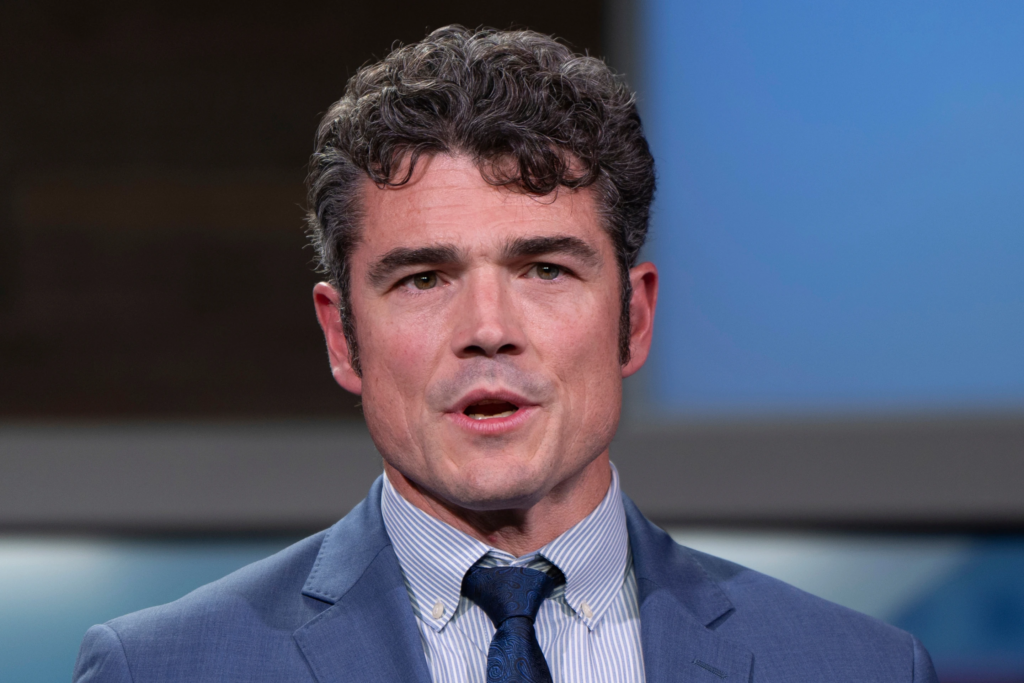
Joe Kent, director of the National Counterterrorism Center, announced his resignation Tuesday, stating he could no longer support the administration’s actions.
He said he “cannot in good conscience” back the Trump administration’s war in Iran, offering a stark critique of the rationale behind the conflict.
Kent wrote on social media that Iran “posed no imminent threat to our nation,” arguing that the war was driven by external political pressures rather than immediate national security concerns.
“We started this war due to pressure from Israel and its powerful American lobby,” he said.
Kent, who was confirmed to the position last July on a 52 to 44 vote, led an agency responsible for analyzing and detecting terrorist threats. His resignation marks a rare public break from within the administration’s national security leadership and raises further questions about internal disagreements over the war.
A Defining Test For Press Freedom In Wartime
The escalating conflict between the Trump administration and the media reflects a deeper struggle over the role of journalism in a democratic society, particularly during wartime.
Historically, presidents from both parties have clashed with the press, often criticizing coverage they view as unfair. However, the combination of regulatory threats, restricted access, and calls for “patriotic” reporting represents a significant shift in tone and approach.
Critics argue that these actions challenge the fundamental principle that the press must operate independently of government influence, especially when covering matters of war and national security.
Supporters of the administration, meanwhile, contend that the media has a responsibility to avoid spreading misinformation and to present coverage that reflects national interests.
For journalists on the ground, the stakes remain high.
Even as access becomes more limited and pressure intensifies, reporters continue to pursue stories, relying on sources and investigative work to provide the public with a clearer understanding of the conflict.
As Starr noted, the response from many in the profession has been to double down on their mission.
“The level of intimidation has definitely ramped up,” she said, “and, in response to that, the commitment to the First Amendment and quality journalism has ramped up even further.”
The ongoing standoff now stands as a defining moment for press freedom in the United States, with lasting implications for how war, power, and accountability are reported.