






World Leaders Praise, Criticize, and Debate Trumps Presidency
Donald Trump’s second term has proven consequential not only for U.S. politics but for the global order. That reality was on full display this week at the United Nations General Assembly, where leaders from every region weighed in on Trump’s policies and leadership. From strong endorsements to harsh rebukes, Trump’s presence dominated conversations both inside and outside the chamber.
Delivering a combative, hourlong address to the U.N. General Assembly, Trump openly criticized the United Nations, assailed other countries for migration and energy policies, and presented himself as the indispensable peacemaker the world needs.
France: Frustration Meets Diplomacy
French President Emmanuel Macron revealed his irritation when Trump’s motorcade brought New York traffic to a standstill. “Guess what? I’m waiting in the street because everything is frozen for you!” Macron told Trump in a phone call, though he quickly pivoted to say he wanted to discuss Gaza with Qatar and the U.S.
China: Warning Against Protectionism
Chinese Premier Li Qiang criticized what he called “unilateral and protective measures” like tariffs and barriers. He argued such policies were worsening the global economy and urged cooperation for inclusive globalization that “helps each other succeed.”
Argentina: Praise for Hardline Immigration and Trade Shifts
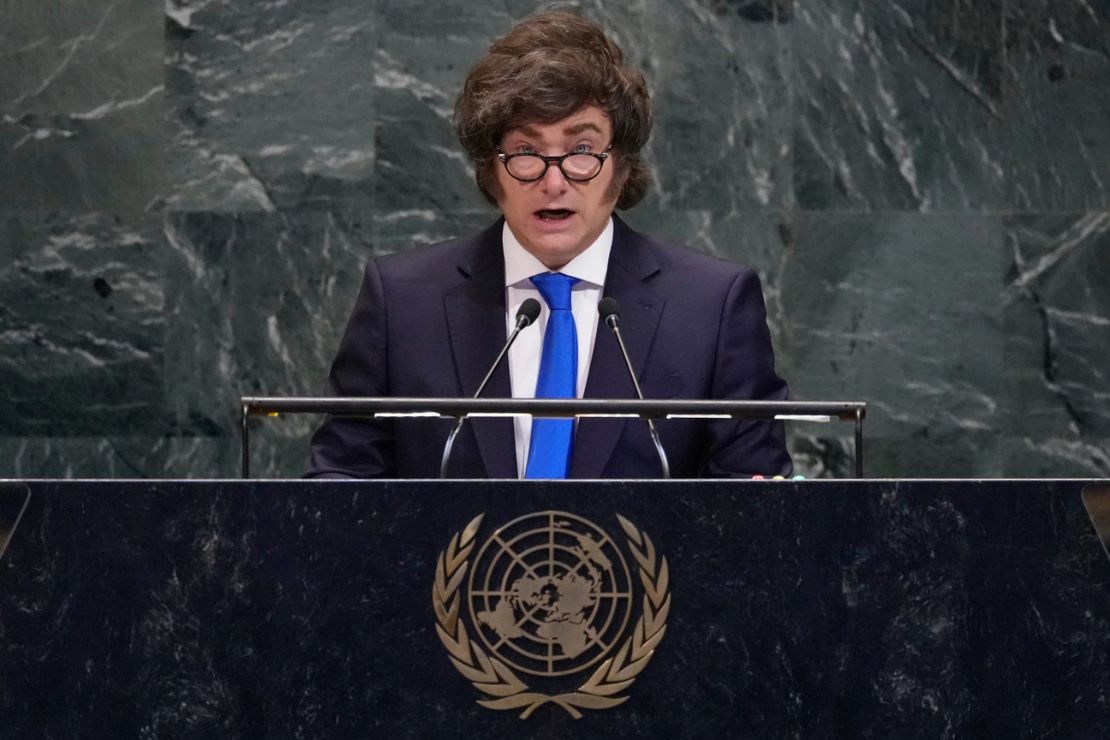
Argentine President Javier Milei praised Trump’s stance on immigration and economic restructuring. He called Trump’s efforts to halt illegal immigration “successful” and argued that his restructuring of international trade represented a sweeping correction of U.S. governance.
Bolivia: A Fierce Critique of U.S. Hegemony
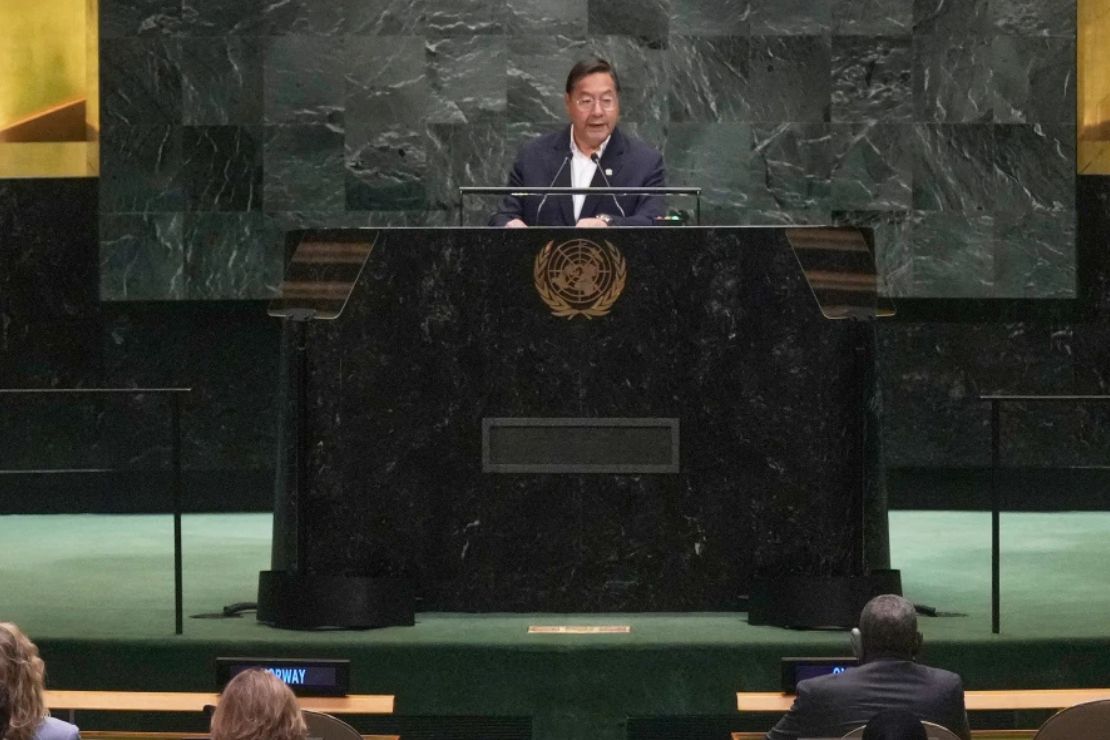
Bolivian President Luis Arce offered one of the sharpest criticisms, accusing Trump’s administration of seeking to impose a unipolar world order for the sake of resource control and global dominance. He said Trump’s “obsessive zeal” was fueling war and suffering.
Ukraine: Cooperation in Sight
Ukrainian President Volodymyr Zelenskyy said he had a “good meeting” with Trump and other leaders, expressing optimism that joint cooperation could “change a lot.”
Russia: Pragmatism Over Ideology
Russian Foreign Minister Sergey Lavrov welcomed what he saw as pragmatic engagement from the U.S. under Trump. He said Moscow observed “a desire not only to contribute to realistically resolve the Ukrainian crisis, but also to develop cooperation without ideology.”
India: Raising Alarm on Climate Action
Indian Foreign Minister Subrahmanyam Jaishankar used his speech to warn that if climate action itself was questioned, “what hope is there for climate justice?”
Armenia and Azerbaijan: Trump as a Peace Broker
Armenian Prime Minister Nikol Pashinyan said Trump played a “decisive” role in brokering peace with Azerbaijan, crediting his consistency and principled approach. Azerbaijani President Ilham Aliyev also praised Trump for opening a “new chapter” in relations with Washington.
Cambodia and Thailand: A Fragile Ceasefire
Cambodian Deputy Prime Minister Sokhonn Prak credited Trump with brokering a ceasefire with Thailand that ended armed clashes, though he warned the peace remained “very fragile.” Thailand’s Foreign Minister Sihasak Phuangketkeow echoed praise for Trump’s “strong dedication to peace.”
Slovenia and Belarus: Concerns Over U.S. Withdrawal From Multilateralism
Slovenian President Nataša Pirc Musar condemned U.S. withdrawals from the Paris climate accord, U.N. agencies, and international treaties, calling them dangerous blows to multilateral cooperation. Belarusian Foreign Minister Maxim Ryzhenkov said U.S. funding cuts to the U.N. were a “very unpleasant wake-up call.”
Congo and Rwanda: Peace Deal Recognition
Congolese President Felix Tshisekedi applauded Trump’s leadership in securing the Congo-Rwanda peace deal. Rwanda’s Foreign Minister Olivier Nduhungirehe credited both Trump and Qatar’s emir for their roles in brokering the agreement.
Haiti: Support in Fight Against Gangs
Laurent Saint-Cyr, head of Haiti’s transitional presidential council, thanked Trump for channeling U.S. support and resources to fight violent gangs destabilizing the region.
Saint Kitts and Nevis: Urging U.S.–Venezuela Dialogue
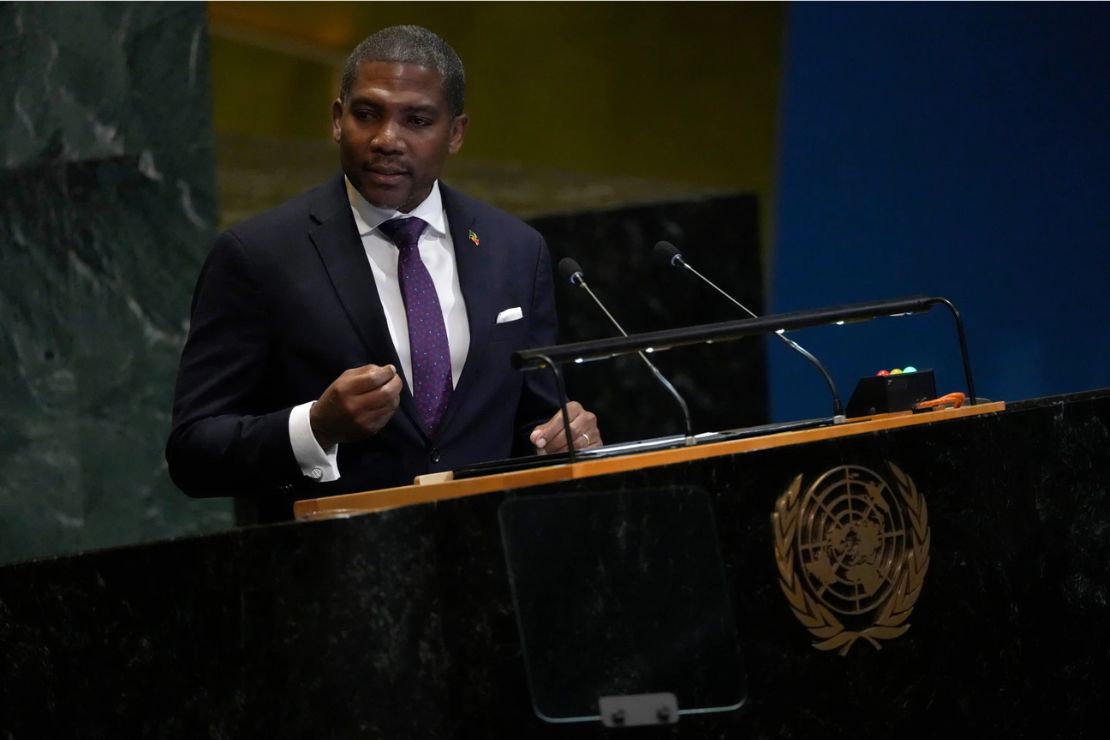
Prime Minister Terrance Drew stressed regional peace, calling for dialogue between Venezuela and the U.S. while recognizing Trump’s influence in security discussions.
Colombia: Harsh Condemnation of U.S. Military Policy
Colombian President Gustavo Petro condemned U.S. anti-drug operations under Trump, accusing Washington of bombing poor youth in the Caribbean. He argued the policy was about domination, not narcotics control, and even called for criminal cases against U.S. officials, including Trump.
South Korea: Encouraging Trump as Peacemaker
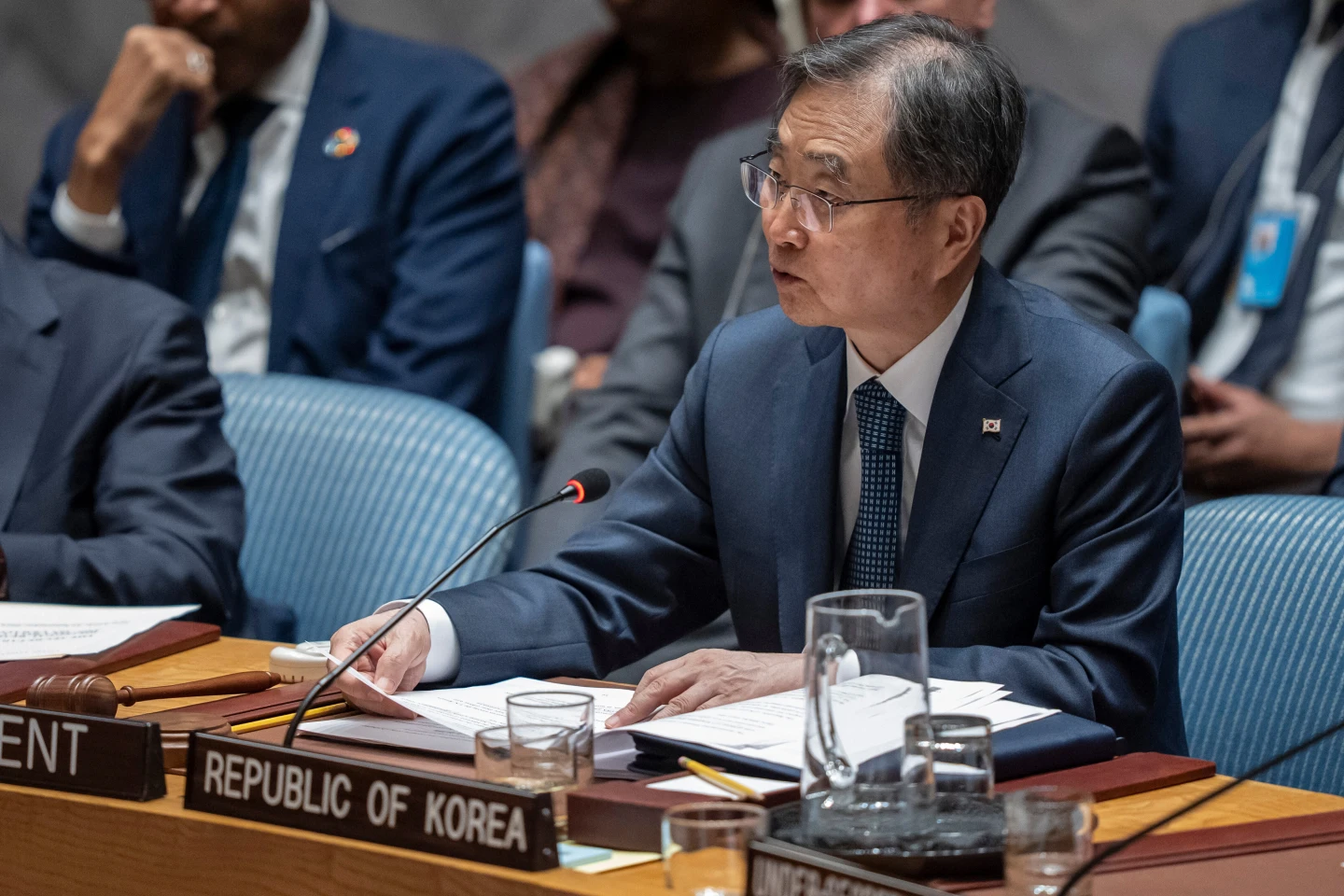
South Korean Foreign Minister Cho Hyun said Seoul had urged Trump to take the lead as a “peacemaker” with North Korea, noting that his president, Lee Jae Myung, positioned South Korea as a “pacemaker” in the process.
Ireland: Condemning U.S. Role in Gaza
Irish Prime Minister Micheál Martin criticized countries, including the U.S., for supplying arms to Israel in its war in Gaza, urging leaders to reflect on the humanitarian cost to Palestinians.
Israel and Palestine: Divided Praise and Partnerships
Israeli Prime Minister Benjamin Netanyahu thanked Trump’s administration for “forcefully fighting antisemitism.” Meanwhile, Palestinian leader Mahmoud Abbas expressed readiness to work with Trump, France, Saudi Arabia, and the U.N. to implement a new peace proposal.
Brazil: A Cautious Respect Between Leaders
Brazilian President Luiz Inácio Lula da Silva described his interaction with Trump as marked by “some chemistry,” pledging mutual respect between the two nations’ leaders.