





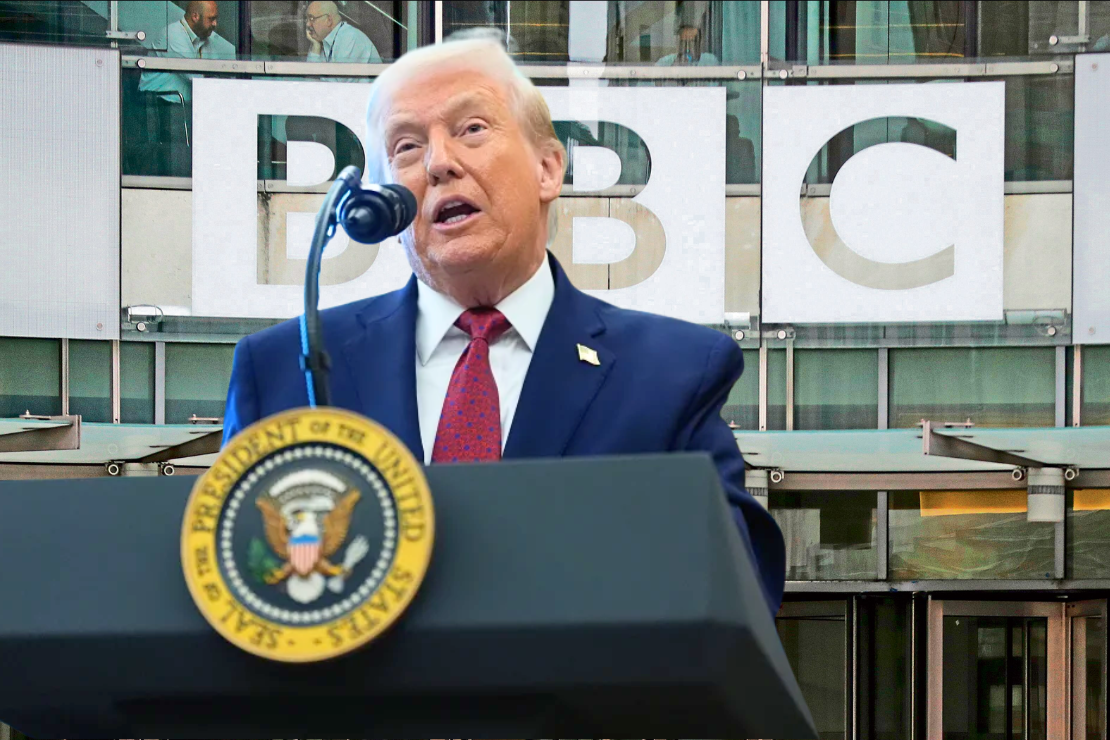
Trump Sues BBC With $10 Billion Lawsuit Over Jan. 6 Edit That Sparked Leadership Shakeup
President Donald Trump has filed a $10 billion lawsuit against the British Broadcasting Corporation, accusing the publicly funded broadcaster of defamation and deceptive and unfair trade practices stemming from an edited version of his Jan. 6, 2021 speech.
The 33-page lawsuit, filed Monday in a Florida court, claims the BBC broadcast a “false, defamatory, deceptive, disparaging, inflammatory, and malicious depiction” of Trump and describes the edit as a “brazen attempt to interfere in and influence” the 2024 U.S. presidential election. Trump is seeking $5 billion in damages for defamation and an additional $5 billion for unfair trade practices.
The lawsuit centers on an hourlong BBC documentary titled “Trump: A Second Chance?”, which aired days before the 2024 election. The film included footage from Trump’s Jan. 6 speech delivered near the White House shortly before some of his supporters stormed the U.S. Capitol as Congress moved to certify President-elect Joe Biden’s 2020 victory, an outcome Trump has repeatedly and falsely claimed was stolen.
According to the lawsuit, the BBC spliced together three quotes from two separate sections of the speech delivered nearly an hour apart, presenting them as a single continuous statement. Trump alleges the edit falsely made it appear as though he urged supporters to march with him and “fight like hell,” while omitting portions of the speech where he called for peaceful protest. The lawsuit claims the editing intentionally misrepresented the meaning of his remarks.
Trump addressed the controversy earlier Monday during an appearance in the Oval Office, saying the BBC put “terrible words” in his mouth while excluding what he described as his positive statements about patriotism. “They actually put terrible words in my mouth having to do with Jan. 6 that I didn’t say,” Trump said. “They didn’t say the beautiful words.”
The legal action follows a public apology issued by the BBC on Nov. 14 over what it acknowledged was a misleading edit of Trump’s Jan. 6 speech. While apologizing, the broadcaster said it “strongly disagreed there is a basis for a defamation claim.”
At the time of the apology, the BBC was already facing a major internal crisis. Its director general stepped down, its head of news resigned, and renewed questions were raised about the organization’s editorial judgment and journalistic standards. BBC chairman Samir Shah previously described the edit as an “error of judgment.”
Trump publicly previewed legal action that same week. Speaking aboard Air Force One while traveling to Florida, he said he planned to sue the BBC for damages ranging from $1 billion to $5 billion. The lawsuit ultimately filed doubles that figure.
The BBC has said it will defend itself against the lawsuit but declined to comment further, citing ongoing legal proceedings.
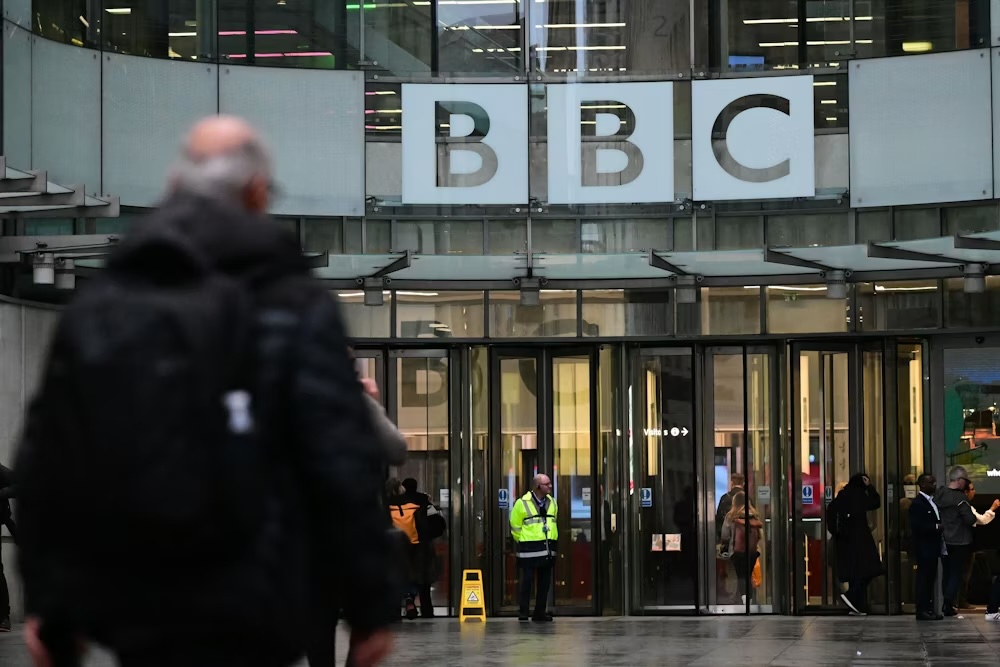
Trump filed the lawsuit in Florida after deadlines to bring the case in British courts expired more than a year ago. Legal experts have questioned whether the case could face jurisdictional challenges in the United States, noting that the documentary was not broadcast domestically.
The lawsuit argues that U.S. viewers can still access BBC content, including the Panorama series that featured the documentary, through the BritBox streaming platform or by using virtual private network services.
Founded more than a century ago, the BBC is funded through an annual license fee paid by U.K. households and operates under a charter requiring political impartiality. That mandate has long placed the broadcaster under intense scrutiny from both conservatives and liberals, scrutiny that has only intensified as the dispute with Trump has moved from apology to litigation.
Whether the case proceeds in U.S. courts remains uncertain, but the lawsuit adds another chapter to Trump’s ongoing battles with major media institutions, now unfolding on an international stage.