






Trump and Top Iranian Officials Exchange Dueling Threats as Economic Protests Spread Across the Islamic Republic
U.S. President Donald Trump and senior Iranian officials exchanged sharp warnings Friday as economic protests continued to spread across Iran, deepening already strained relations between Washington and Tehran.
Writing on Truth Social, Trump warned Iranian authorities that if they “violently kill peaceful protesters,” the United States would “come to their rescue.” He added that the U.S. was “locked and loaded and ready to go,” offering no details on what that might entail. At least seven people have been reported killed in violence tied to the demonstrations, which were sparked by the rapid collapse of Iran’s currency.
Iranian officials quickly pushed back. Ali Larijani, secretary of Iran’s Supreme National Security Council and a former parliament speaker, accused the U.S. and Israel of fueling unrest, a claim Iranian leaders have repeatedly made during past protest waves. Posting on X, which remains blocked in Iran, Larijani warned that U.S. intervention would lead to “chaos in the entire region” and damage American interests.
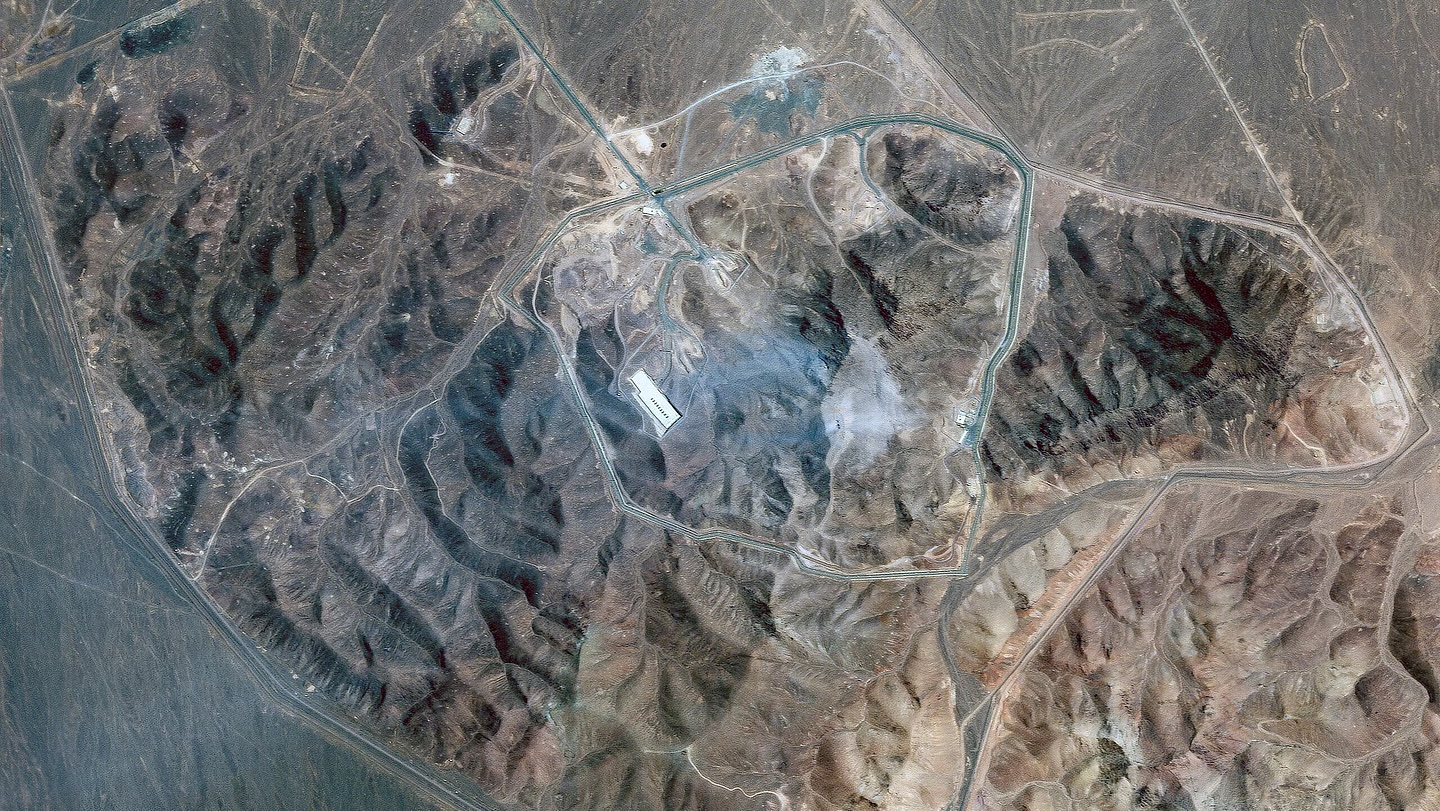
Larijani’s remarks appeared to reference the U.S. military’s regional presence, including bases in the Gulf. In June, Iran launched an attack on Al Udeid Air Base following U.S. strikes on three Iranian nuclear sites during Israel’s 12-day conflict with Tehran.
Another warning came from Ali Shamkhani, an adviser to Ayatollah Ali Khamenei. Shamkhani cautioned that “any interventionist hand that gets too close to the security of Iran will be cut,” adding that Iranians were well aware of what U.S. “rescue” efforts had meant in Iraq, Afghanistan, and Gaza.
The protests, now in their sixth day, mark the largest demonstrations in Iran since 2022, when the death of Mahsa Amini in police custody ignited nationwide unrest. While the current demonstrations have not reached the same scale or intensity, they have included chants against Iran’s theocratic leadership alongside economic grievances.
Iran’s civilian government, led by reformist President Masoud Pezeshkian, has attempted to signal openness to dialogue. Pezeshkian has acknowledged, however, that his administration has limited options as the rial continues to plunge, with roughly 1.4 million rials now needed to buy a single U.S. dollar.
Months after the conflict with Israel, Iran has said it is no longer enriching uranium at any site, signaling potential openness to renewed negotiations aimed at easing sanctions. Those talks have yet to materialize as Trump and Israeli Prime Minister Benjamin Netanyahu continue to warn Tehran against reviving its nuclear program.