





AT A GLANCE
- Trump will meet Schumer, Jeffries, Johnson, and Thune at the White House on Monday as the Sept. 30 shutdown deadline looms.
- Democrats demand health care subsidies and Medicaid reversals; Republicans insist on a clean funding extension.
- Trump canceled talks last week, then reversed after GOP leaders intervened and Schumer pressed Thune for urgency.
- Trump blames Democrats for a shutdown while preparing mass federal layoffs that go beyond temporary furloughs.
High-Stakes Meeting Set at White House
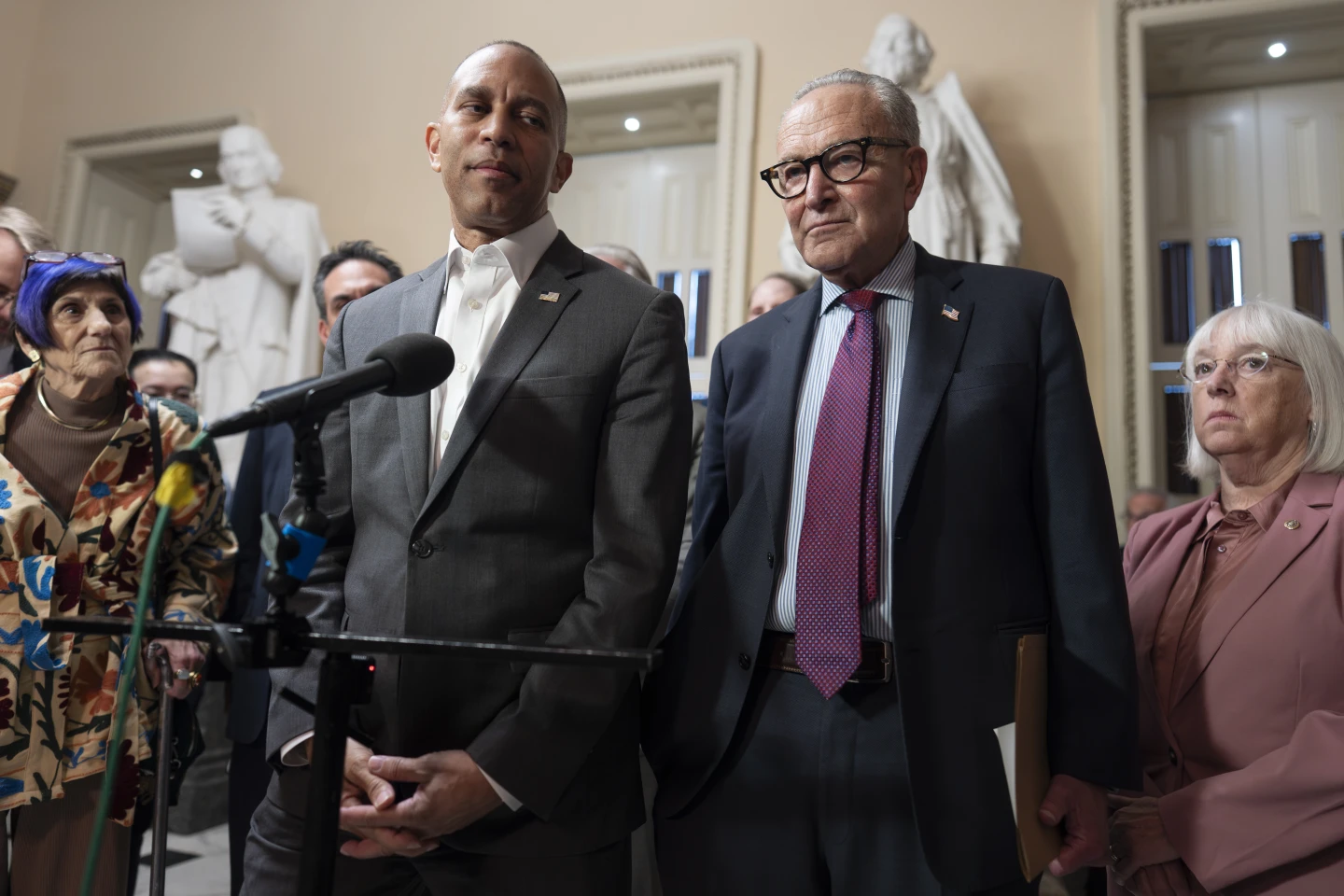
President Donald Trump will host the top four congressional leaders at the White House on Monday, just hours before government funding expires. The Oval Office sit-down includes Senate Minority Leader Chuck Schumer (D-N.Y.), House Minority Leader Hakeem Jeffries (D-N.Y.), House Speaker Mike Johnson (R-La.), and Senate Majority Leader John Thune (R-S.D.), according to White House and congressional officials.
The meeting comes after Trump abruptly canceled a previously scheduled session with Democratic leaders on Thursday. That decision was made at the urging of Johnson and Thune, who convinced Trump that Democrats’ demands were “unserious and ridiculous.”
Democrats Say They’re Ready to Negotiate
Despite the cancellation, Democrats kept pressing for negotiations. “As we have repeatedly said, Democrats will meet anywhere, at any time and with anyone to negotiate a bipartisan spending agreement that meets the needs of the American people,” Schumer and Jeffries said in a joint Saturday statement. “We are resolute in our determination to avoid a government shutdown and address the Republican healthcare crisis. Time is running out.”
The Democratic demands include extending subsidies that help low- and middle-income earners buy health insurance under the Affordable Care Act and reversing Medicaid cuts from this year’s GOP tax and border bill.
Republicans have dismissed those proposals as too expensive and too complex to settle under the pressure of a shutdown deadline. Johnson and Thune argue any talks should happen later, during the appropriations process—not as a condition for a temporary funding bill.
Trump Shifts Between Cancelling and Accepting Talks
Trump’s handling of the shutdown fight has been erratic. He initially agreed to a Thursday meeting with Schumer and Jeffries, only to cancel hours later after Johnson and Thune intervened. Trump then blasted Democrats online for making “ridiculous demands” and declared he would not negotiate with the “Minority Radical Left Democrats.”
Sen. Chris Murphy (D-Conn.) accused Trump of deliberately pushing the government toward closure. “There is no one to blame but him. He wants a shutdown,” Murphy wrote on X.
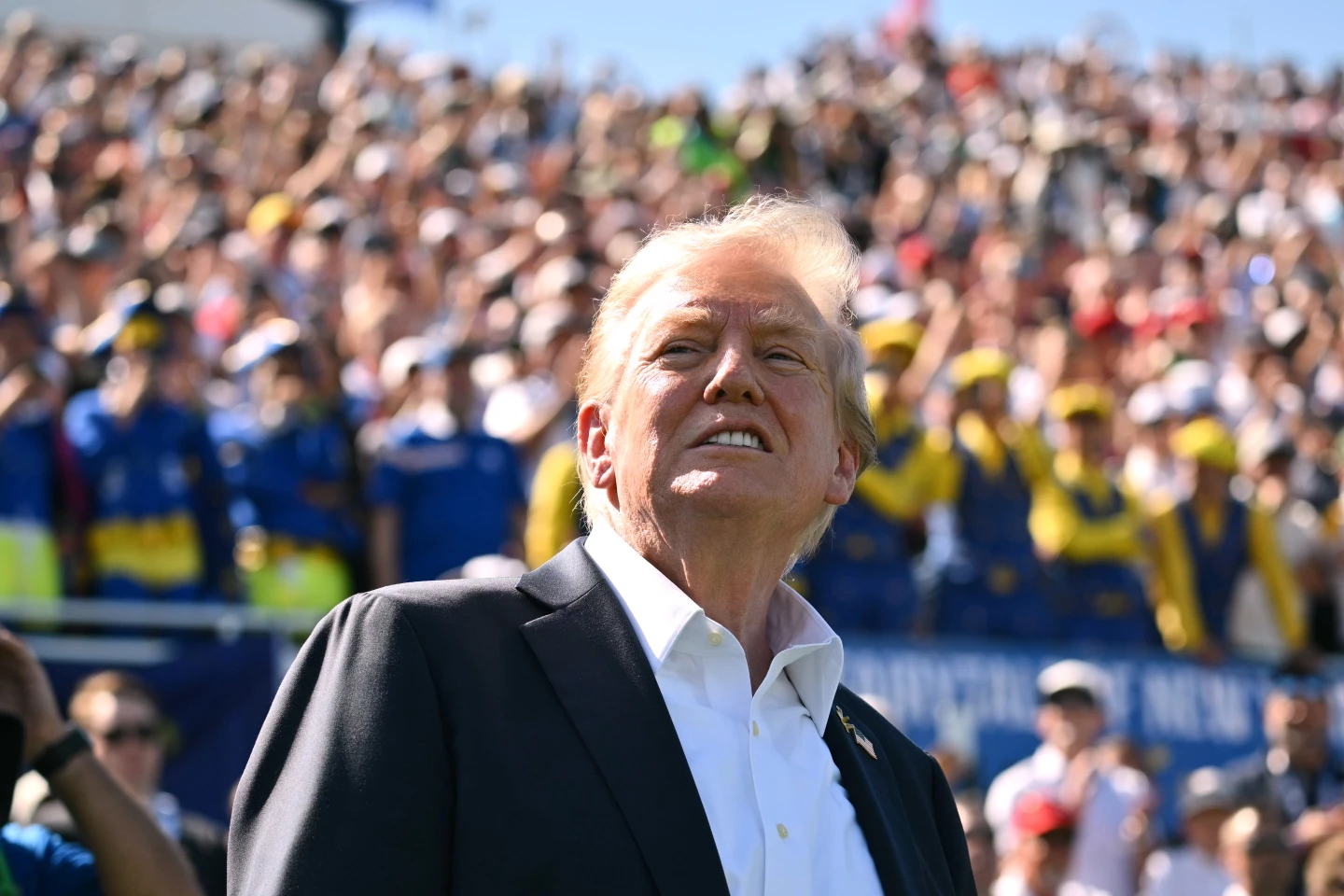
By Friday, Schumer called Thune directly to press for renewed talks, warning the deadline was fast approaching. Over the weekend, Trump shifted again and agreed to Monday’s meeting.
Trump’s Public Strategy: Blame the Democrats
In speeches and interviews, Trump has been singularly focused on shifting political blame to Democrats. Asked if there will be a shutdown, Trump answered, “Yes, because the Democrats are crazed.” When pressed about why his administration is preparing mass layoffs instead of furloughs, Trump again deflected: “Well, this is all caused by the Democrats.”
“If it has to shut down, it’ll have to shut down,” Trump added. “But they’re the ones that are shutting down government.”
The rhetoric aligns Trump closely with Johnson and Thune, who are rejecting Democratic health care demands. It also reflects Trump’s effort to cast Democrats as responsible for the fallout if the government closes.
White House Preparing Layoff Plans
The stakes extend far beyond politics. The White House Office of Management and Budget has instructed federal agencies to draft plans for mass firings—not just temporary furloughs—should funding lapse.
The OMB memo said agencies should pursue reductions in force for programs “not consistent” with Trump’s policy priorities. Such a move would permanently eliminate positions, marking a sharp departure from the temporary furloughs used in past shutdowns.
Jeffries accused the administration of using the threat of a shutdown as a cover to gut the federal workforce. He warned that Trump and his aides are “using the smoke screen of a government shutdown caused by them to do more damage.”
A Role Reversal in Shutdown Politics
This time, Democrats are the ones tying policy demands to funding. They insist any stopgap bill must include health care protections, particularly subsidies and Medicaid reversals.
Republicans are demanding a “clean” extension of funding, free of policy riders. The stance is notable because the GOP has often used shutdown threats for leverage. In 2013, Republicans triggered a 16-day shutdown by demanding Obamacare be defunded. During Trump’s first term, his insistence on border wall funding sparked another shutdown—one he famously said he would “take the mantle” for during a televised Oval Office exchange.
Now, Democrats say Republicans must act to protect health care access, while Trump and GOP leaders reject the idea of concessions under deadline pressure.
The Road Ahead
With government funding set to expire at midnight on Sept. 30, Monday’s White House meeting may be the last chance to prevent a shutdown. Senate Democrats are holding a conference call Sunday to prepare for the chamber’s return.
While some Republicans privately acknowledge Trump may ultimately support a deal on extending subsidies, there is little public evidence he’s ready to compromise. For now, Trump, Johnson, and Thune remain dug in, daring Democrats to back down.
Millions of federal workers, and the programs they run, hang in the balance.