





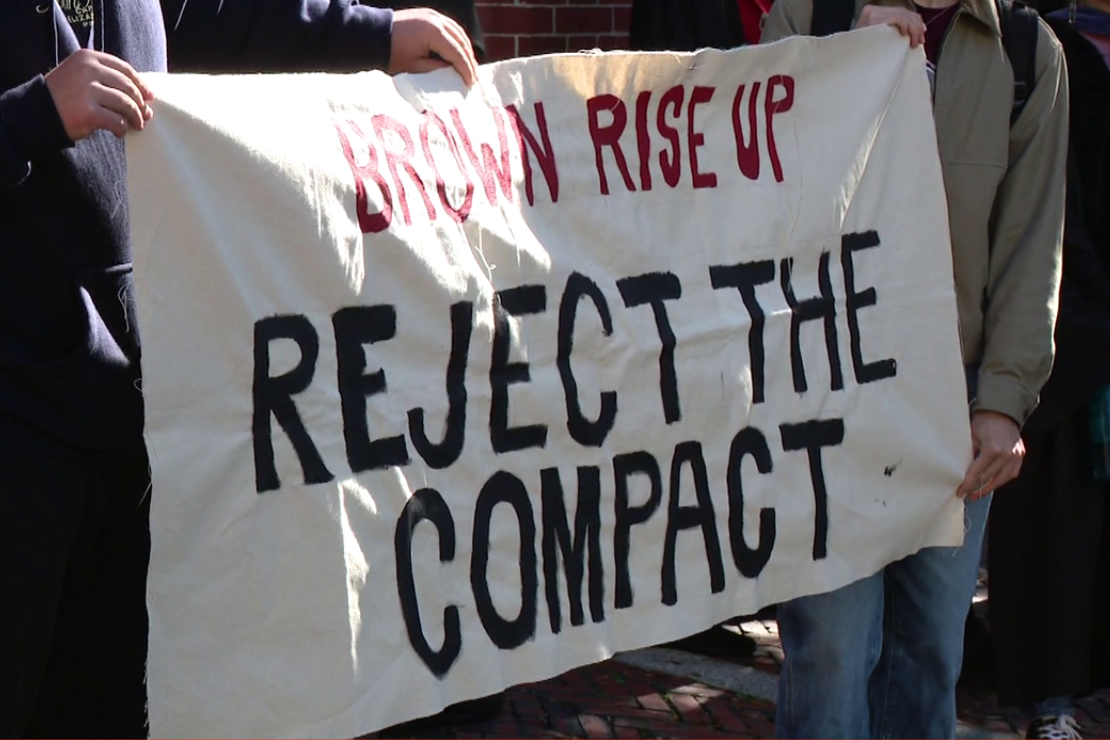
The Trump administration’s latest attempt to reshape higher education has hit a wall. Six of nine elite universities offered a deal promising funding advantages in exchange for ideological compliance have turned it down, defying White House pressure and a direct call from administration officials last week.
The “Compact for Academic Excellence in Higher Education,” pitched as a plan to promote “merit-based” policies, demanded that schools freeze tuition for five years, cap international enrollment at 15 percent, and ban the consideration of race, gender, or political beliefs in admissions.
Critics say the proposal was less about merit and more about enforcing political conformity across college campuses.
Universities Defend Independence and Merit-Based Research
By Monday’s deadline, institutions including MIT, Brown University, the University of Pennsylvania, and the University of Southern California had formally rejected the offer. Over the weekend, the University of Virginia and Dartmouth College joined their ranks.
U-Va. President Jim Ryan said the compact “violated the merit-based nature of federal research funding.” Dartmouth President Sian Beilock echoed that sentiment, writing to Education Secretary Linda McMahon and White House advisers that “government involvement through a compact—whether Republican or Democratic-led—is not the right way to focus America’s leading colleges and universities on their teaching and research mission.”
The University of Arizona and Vanderbilt University opted not to sign but left the door open for further discussion, emphasizing collaboration without compromising academic principles.
Arizona President Suresh Garimella said while some recommendations “deserve thoughtful consideration,” the university “must preserve academic freedom, merit-based research funding, and institutional independence.” Vanderbilt Chancellor Daniel Diermeier added that “academic freedom, free expression, and independence are essential” for universities to fulfill their role in society.
A Political Power Play Dressed as Reform
The White House framed the compact as an opportunity for universities to “gain competitive advantage” in research funding and event access by aligning with federal priorities, including dismantling diversity, equity, and inclusion (DEI) policies and elevating conservative viewpoints.
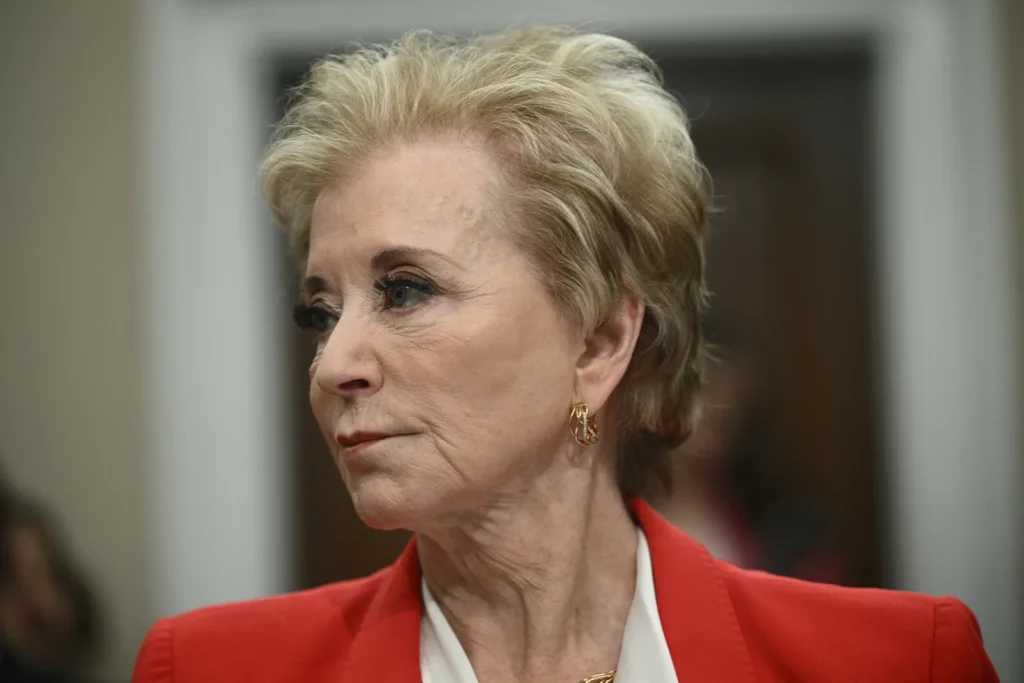
The effort, led by McMahon and Domestic Policy Director Vincent Haley, even involved billionaire Marc Rowan. A White House statement later described discussions as “productive,” saying university leaders were “invited to the table to produce future generations of American excellence.”
Behind the scenes, however, many higher education advocates and legal experts saw the initiative as coercive. Some called the terms unconstitutional, particularly those limiting international enrollment and dictating admissions criteria.
Resistance Mounts Across Academia
The backlash has spread beyond the initial nine institutions. Faculty, alumni, and students have held rallies and issued joint statements denouncing the compact. More than 30 higher education associations also condemned it, warning that its conditions “run counter to the interests of institutions, students, scholars, and the nation itself.”
Washington University in St. Louis, the University of Kansas, and Arizona State University have been invited to join discussions. WashU Chancellor Andrew Martin said the school hasn’t signed but wants to “participate constructively” in shaping national policy.
Federal Funding Pressure and Broader Implications
The controversy unfolds as the Trump administration freezes billions in research grants to universities it accuses of violating civil rights laws, often citing DEI policies or alleged failures to address antisemitism.
Harvard University has filed two lawsuits over such freezes, accusing the government of political retaliation. The administration has even threatened to revoke Harvard’s tax-exempt status and block federal grants entirely.
Despite the administration’s insistence that universities will not lose funding for declining to sign, the message is clear: institutions that refuse to align with the White House’s ideological agenda risk political targeting.
In the face of mounting pressure, most universities appear united on one point—academic independence isn’t up for negotiation.