





AT A GLANCE
- The Supreme Court will review the constitutionality of Trump’s birthright citizenship order.
- The policy would deny automatic citizenship to children born in the U.S. to parents who are here illegally or temporarily.
- Lower courts have blocked the order nationwide, keeping it from taking effect.
The Case Will Be Argued in the Spring, With a Definitive Ruling Expected by Early Summer
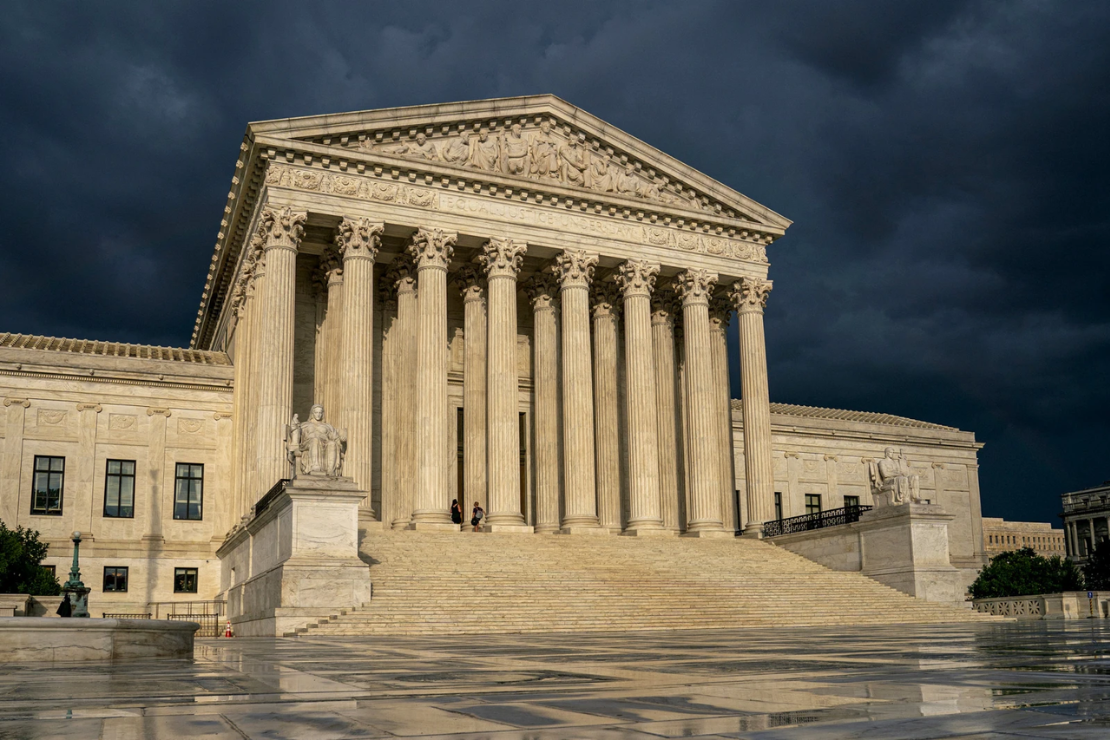
The Supreme Court on Friday agreed to review the constitutionality of President Donald Trump’s order seeking to restrict automatic birthright citizenship, setting up a major ruling that could reshape a long-standing interpretation of the 14th Amendment.
The order, announced on Trump’s first day of his second term, states that children born in the United States to parents who are in the country illegally or temporarily are not U.S. citizens. Lower courts have blocked the policy nationwide, concluding it conflicts with constitutional text and more than a century of legal precedent. The restrictions have not taken effect in any state.
The justices said they will hear Trump’s appeal of a New Hampshire ruling that struck down the order. Arguments are scheduled for the spring, with a decision expected by early summer. It is the first immigration policy of the Trump administration to reach the high court for a final ruling.
The 14th Amendment, adopted after the Civil War, provides that “all persons born or naturalized in the United States, and subject to the jurisdiction thereof” are citizens.
Courts and legal scholars have historically interpreted the clause to cover nearly all children born on U.S. soil, with narrow exceptions for foreign diplomats, enemy occupiers and certain tribal members.
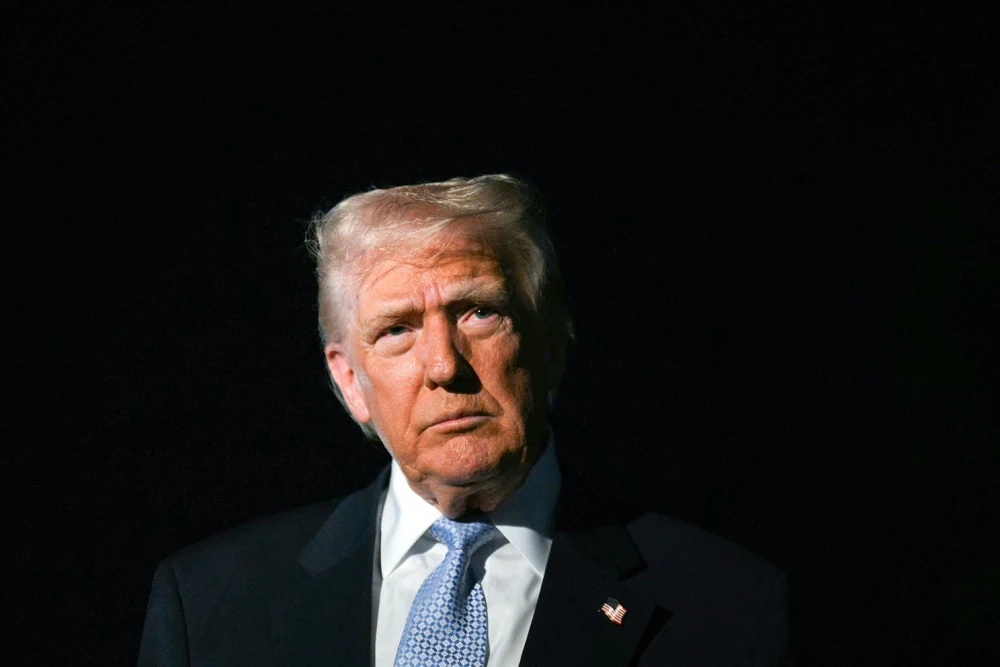
The Trump administration contends the amendment’s jurisdiction language has been misread and should apply only to children who have a formal allegiance to the United States.
Solicitor General D. John Sauer wrote in court filings that the prevailing interpretation has led to “destructive consequences” and that Trump’s order “restores the Clause’s original meaning.”
Civil rights advocates disagree. The plaintiffs, represented by the American Civil Liberties Union, include two infants who would be denied citizenship under the policy. They argue the order conflicts with the amendment’s text, Supreme Court precedent and the nation’s historical practice. They cite the 1898 decision United States v. Wong Kim Ark, in which the court held that a man born in San Francisco to Chinese immigrant parents was a U.S. citizen.
The Supreme Court previously intervened in the litigation, ruling that individual judges lacked authority to impose nationwide injunctions against the policy, but the court did not address the underlying constitutional question.
The case arrives as the court weighs several challenges to Trump’s broad use of executive power, including disputes over tariffs and the authority to remove officials at independent federal agencies.
A ruling in the birthright citizenship case could have sweeping consequences for immigration policy and the legal status of children born in the United States.