






AT A GLANCE
- Secretary of State Marco Rubio publicly thanked major news organizations for withholding reports about a U.S. military strike in Venezuela that led to the capture of President Nicolás Maduro, saying early reporting could have cost American lives.
- The acknowledgment contrasts sharply with the Trump administration’s broader attacks on the press, particularly new Pentagon restrictions imposed by Defense Secretary Pete Hegseth, which many outlets say undermine press freedom.
- Reports indicate outlets including The New York Times and The Washington Post had advance knowledge of the operation but chose not to publish details to avoid jeopardizing the mission.
- Journalists and press freedom advocates say the episode underscores a long-standing principle of national security reporting: media outlets routinely weigh public interest against potential risk
Why Some Outlets Stayed Silent Before the Operation
In the aftermath of last weekend’s U.S. military operation in Venezuela, the Trump administration offered an unusual public acknowledgment to the news media: thanks.
Secretary of State Marco Rubio said several news organizations that learned in advance about the strike that led to the capture of Venezuelan President Nicolás Maduro made the decision not to publish that information before the mission was carried out, a move he said helped protect American lives and preserve operational security.
Rubio’s remarks stood out given the administration’s often adversarial posture toward the press, particularly at the Pentagon. Defense Secretary Pete Hegseth has repeatedly argued that journalists cannot be trusted with sensitive information, a position he has used to justify restrictive new press rules that have led many mainstream outlets to abandon their long-held reporting positions inside the Defense Department.
Speaking Sunday on ABC’s “This Week,” Rubio said the administration deliberately withheld information about the operation from Congress ahead of time, arguing that leaks would have been inevitable. He said the primary concern was safeguarding the mission itself.
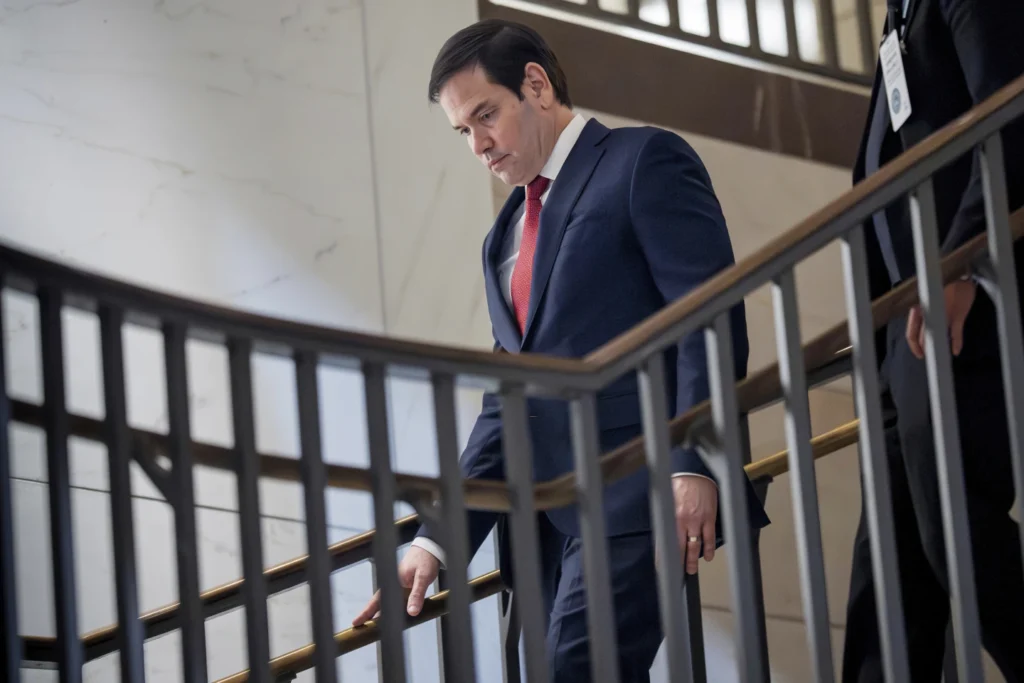
“Frankly, a number of media outlets had gotten leaks that this was coming and held it for that very reason,” Rubio said. “And we thank them for doing that or lives could have been lost. American lives.”
Advance knowledge of the operation had circulated quietly among some journalists. Semafor reported that both The New York Times and The Washington Post were aware of the impending raid but chose not to report it to avoid endangering U.S. military personnel. Representatives for both outlets declined to comment to The Associated Press.
The practice of withholding information that could compromise an active military mission is not unusual in national security reporting, said Dana Priest, a longtime investigative reporter for The Washington Post who now teaches at the University of Maryland. She said news organizations frequently consult with government officials to assess whether publishing certain details could put people at risk, even after an operation has concluded.
That restraint was echoed last year when Jeffrey Goldberg, editor of The Atlantic, was inadvertently included in a text message chain in which Hegseth disclosed details of a U.S. military strike in Yemen. Goldberg did not report on the information until U.S. personnel were no longer in danger and the facts had been independently verified.
Most Americans first learned of the Venezuela operation in the early hours of Saturday morning, when President Donald Trump announced the successful capture of Maduro on his Truth Social account after the mission was complete.
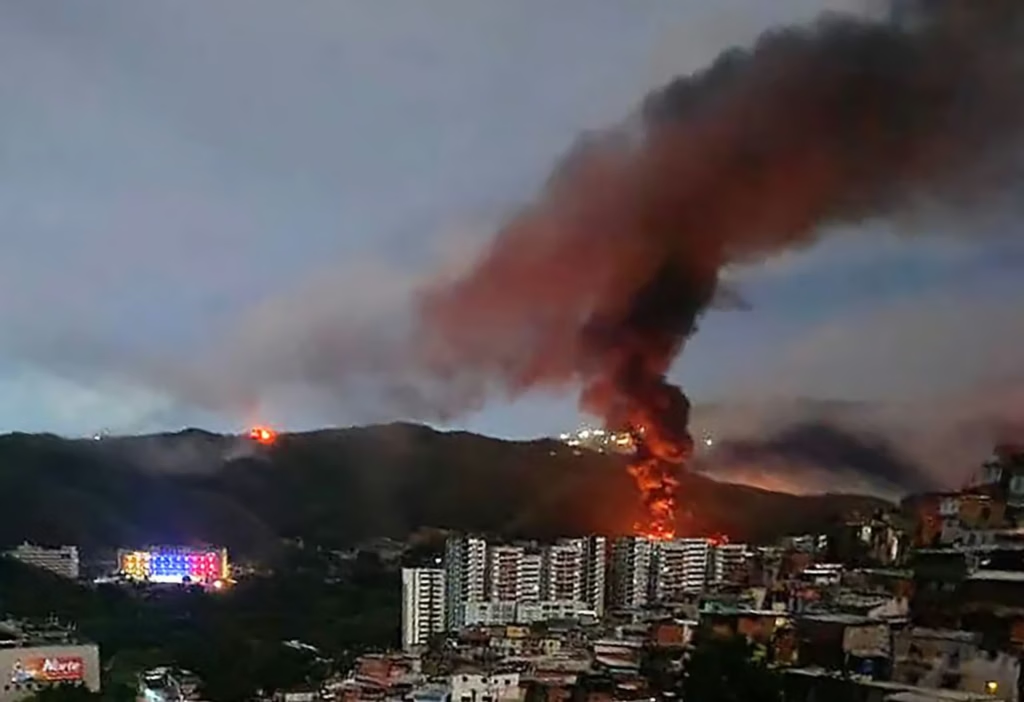
The Associated Press did not have advance notice of the operation, but journalists in Venezuela reported hearing and observing explosions more than two hours before Trump’s announcement. At that point, however, the source of the explosions and U.S. involvement were not confirmed.
Hegseth has defended the Pentagon’s new media restrictions by accusing reporters of soliciting classified or sensitive information, a claim he repeated last year in an interview with Fox News. The New York Times has since filed a lawsuit challenging the rules, arguing they undermine press freedom and limit independent oversight of the military.
Former CNN defense correspondent Barbara Starr said Rubio’s comments undercut the administration’s broader narrative that legacy media outlets cannot be trusted.
“What the so-called legacy Pentagon press corps has demonstrated is it can act responsibly, as it always has, to protect troops’ lives,” Starr said. “At the same time, journalists continue to report outside of Pete Hegseth’s control and endless talking points.”
Decisions about whether to publish sensitive information typically involve high-level discussions between editors and government officials, but Priest emphasized that, in a country with a free press, the final decision always rests with the news organization—not the government.
She pointed to a historical example from the early 1960s, when President John F. Kennedy persuaded The New York Times not to report in advance on the Bay of Pigs invasion of Cuba. The operation ended in disaster, and years later, a Times editor said Kennedy privately regretted that the newspaper had not published what it knew, believing public scrutiny might have prevented the failed mission.
Priest said experienced national security reporters understand the difference between information that could put lives at risk and information that might merely embarrass an administration.
“The reporters are not going to be deterred by a ridiculously broad censorship edict by the Trump administration,” she said. “They’re going to dig in and work even harder. Their mission is not to curry favor with the Trump administration. It’s to report information to the public.”