





AT A GLANCE
- Timbaland backs Suno after its legal fight with Warner Music Group.
- New partnership creates licensed AI music models launching in 2026.
- Artists keep full control over their likeness, voices, and compositions.
- Warner calls the agreement a “landmark pact” for artist rights in the AI era.
Timbaland Suno Warner AI Deal Redefines Artist Power In The AI Era
Timbaland is stirring the industry again, and for once it isn’t a new beat. The Grammy-winning producer has fully aligned himself with Suno, the AI music generation platform that spent the last year in a heated legal battle with Warner Music Group. What looked like a roadblock for the technology has turned into a breakthrough deal reshaping how artists navigate AI.
For Timbaland, AI isn’t replacing artists; it’s expanding what they can do. He has been one of the loudest advocates for AI-powered creativity even as some musicians, like Kehlani, K. Michelle, and Victoria Monét, push back. Their criticism centered on Xania Monet, an AI artist built by Mississippi poet and designer Telisha Jones, who faced early skepticism but went on to secure a multi-million-dollar record deal and chart on Billboard.
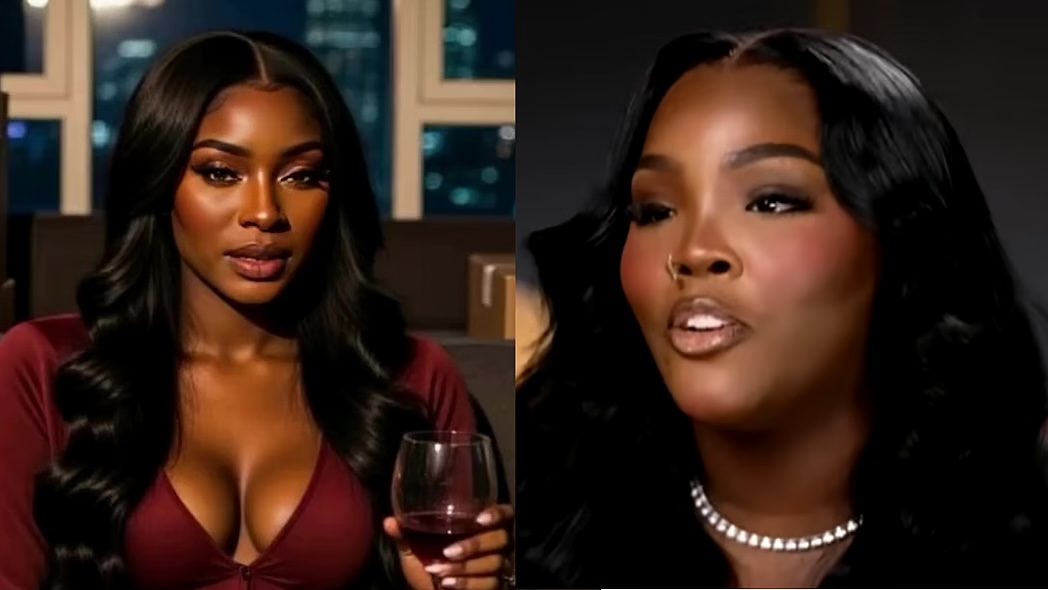
Timbaland didn’t hesitate to vouch for Monet publicly, writing on Instagram: “You better check out xania monet who’s killing it good music.”
Monet is not alone. Solomon Ray, an AI Christian rapper built by Mississippi creator Christopher Jermaine Townsend, currently holds the top two spots on the iTunes Christian Music chart along with the No. 1 Christian album.
The Suno-Warner agreement, reached after months of legal tension, does far more than end a dispute. It clears the way for Suno to introduce licensed AI models in 2026, while phasing out older versions. Free users can still create and share tracks, but downloading audio will require a paid account.
Suno also acquired Warner’s live music platform, Songkick, adding concert discovery to its growing ecosystem.
At the heart of the deal is artist control. Musicians and songwriters retain full authority over how their names, voices, images, and compositions appear in AI-generated work. They can also earn revenue from AI creations built with their licensed materials. Warner Music Group CEO Robert Kyncl called it a “landmark pact,” underscoring that creators will have opt-in control and fair compensation as AI evolves.
Timbaland joined Suno as a strategic advisor in October 2024 and has since served as one of the platform’s top ambassadors. He described the partnership as a chance to “make AI work for the artist community and not the other way around.”
On Instagram, he took it a step further, labeling the agreement “DISRUPTIVE” and framing it as the beginning of a cultural shift rather than a business arrangement.
With the settlement behind them, Suno is positioning itself as a leader in AI-driven creativity. For artists who have been wary of tech companies exploiting their work, the deal’s protections and revenue opportunities represent a significant turning point. And with Timbaland co-signing the movement, the signal to the industry is clear: AI isn’t coming for the culture, it’s becoming part of it.