





The Myth of “Colorblindness”
People who try to minimize racism are either doing it on purpose or out of sheer ignorance. Except for extreme individuals that belong to white supremacist organizations, many Whites claim to non-racist, as opposed to anti-racist, by sayings these words, “I don’t see color, just people.” I would call this fiction, since many of the ones that say this still blame Blacks and Browns for “playing the race card” while supporting the racism of Trump and ignoring discrimination which is still a key component of this society.
Many Whites want Blacks to forget about slavery while they cry over the loss of the Alamo. They are willing to remember past events in which their fictionalized ethnic group lost a war or event, but want Blacks to forget about the pain suffered and are still suffering in a country that refuses to pass real anti-racist legislation against police abuse, a white supremacist criminal justice system, job discrimination, poor health care, and other inequalities. Still, they want people of color to stop complaining about the racism that still plays a big role in this country while white supremacy continues to shade almost everything in America and it’s getting worse.
Jim Crow’s Modern Resurgence
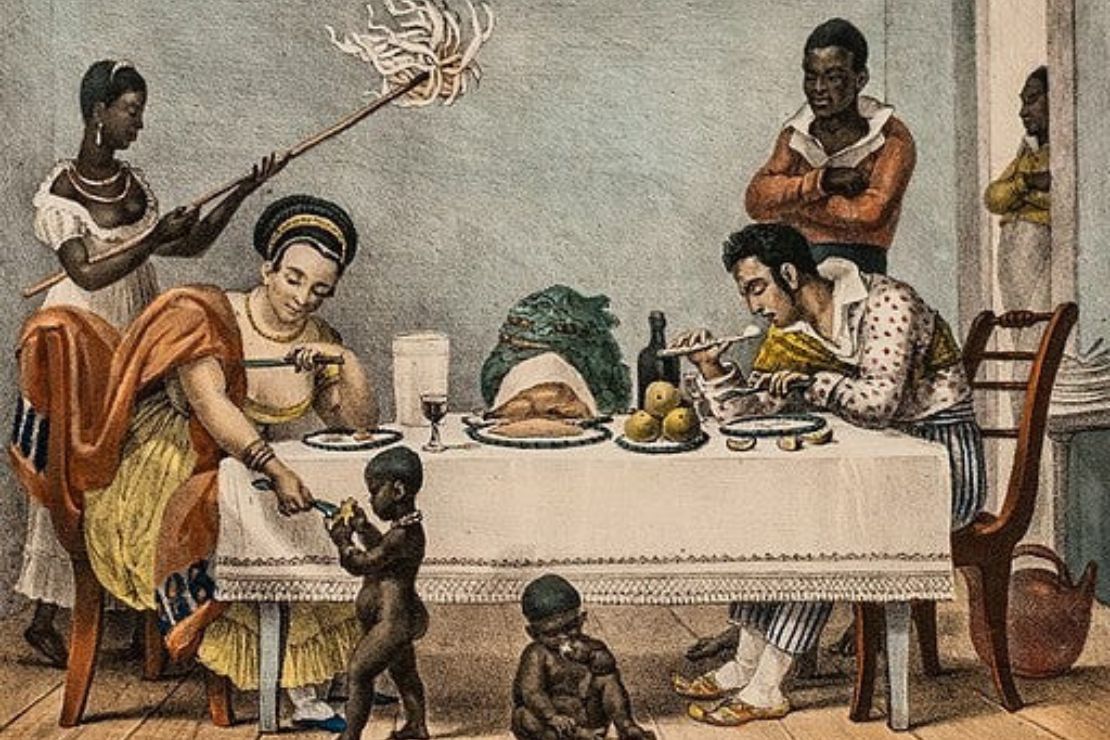
Nowadays, Jim Crow ideas are becoming more acceptable as result of extremist conservatism. While some white supremacists are becoming more verbal in their hatred, others have begun to practice a form of white supremacy that can only be called racism without racists. Instead of calling Blacks the “N” word many now claim that Blacks are uneducated and without class, which they apply to all Blacks. Other white supremacists claim that Blacks don’t work hard enough while refusing to recognize that Black slaves built the country while the lazy “gentleman” of the slave owning class sat on their porch eating sweet chicken dinners, drinking julip tea, and being fanned on a hot day by a slave. There was nothing “gentle” about these criminal slave owners. Those that claim that the problems that Black people face is the result of their own doing is a sure sign of a white supremacist. In order to make themselves feel better these bigots even claim that the Civil War was NOT about slavery when it was the central reason and is easily proven.
The Hidden Language of Racism
Racist language is often coded by questioning the work of an author that points out that true nature of this racist society. We can still hear closet racists refer to Blacks as “You People,” which became a substitute for the “N” word. We know that some Whites will listen to a racist joke and say nothing to the racist that said it and even laugh when no Black or Brown people are around. This is silent racism, and this form of silence produces coded racist language.
Racists refuse to look at current day racism that affects the Black community and some even go as far as saying, “We need a White History Month,” when they always had White History years for centuries. Of course, they didn’t call it that because they are experts at hiding their hatred and creating false historical narratives in history books. Color blind racists love to say things like, “We are all a little racist,” as a way to ignore the people that are anti-racist. This is why they don’t want people to know about the Whites that opposed slavery in the Civil War, and the slave owners at the Alamo, like Benjamin Lundy, John Brown and hundreds of others. White supremacy continues to use trickery to refine and redefine itself.