





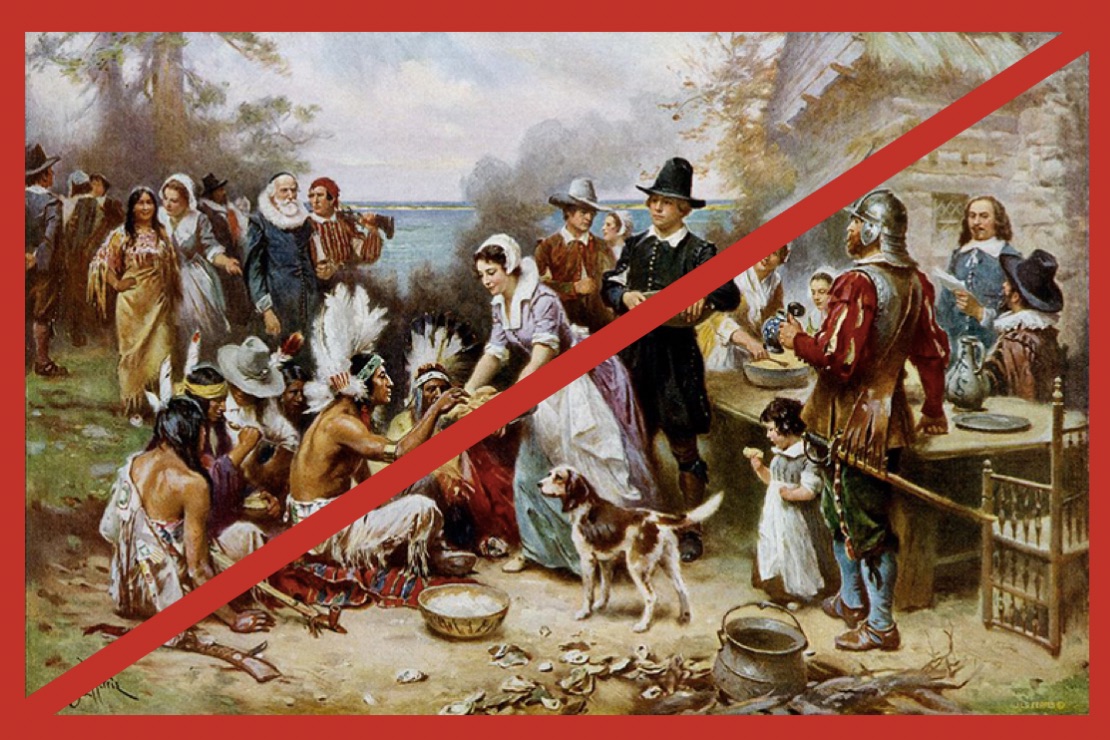
“It’s Not a ‘Warm, Fuzzy’ Thanksgiving for All”
Writer Kinsey Crowley, in their 2024 article for USA Today, “It’s Not a ‘warm, fuzzy’ Thanksgiving for all: Why some honor a ‘National Day of Mourning’”, writes, “While many of us gather to celebrate Thanksgiving Thursday, the story that many of us are taught about the origins of the holiday leaves out large swaths of Native American history and perspectives today…”
Thanksgiving has to be one of the most controversial American holidays in recent history. From the infamous “first” Thanksgiving, whose narrative has erroneously focused on white Pilgrims and Native American tribes joining together and engaging in a feast in the early 1600s. Largely written out of the narrative is the genocide and the colonial assimulation the Native American tribes fell victim to.
2025 marks the second Thanksgiving since Donald Trump became President Of The United States for the second time. In the wake of the government shutdown, a continuous shaky economy, and ongoing racial and political tensions, does it seem appropriate to have a celebration around gratitude? Also, does it seem appropriate to continue sharing the same folklore that is rooted in purposeful inaccuracy?
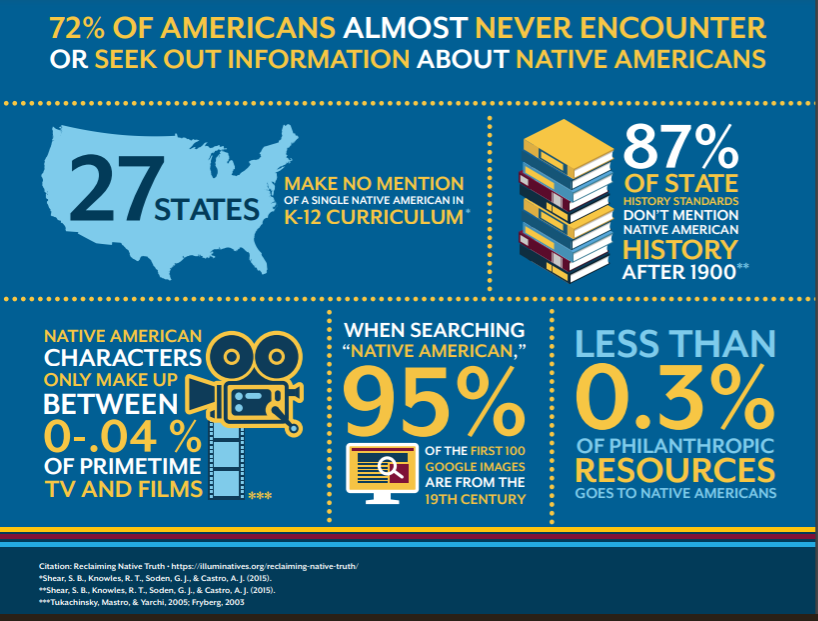
Native Americans are still discriminated against and are still not always recognized as U.S citizens. According to a 2023 Kaiser Family Foundation (KFF) survey, “at least half of American Indian and Alaska Native (58%) say they have experienced at least one type of discrimination in daily life at least a few times in the past year…” This comes at a time where controversial education policies surrounding what stays and what goes in textbooks as well as what holidays should be recognized in schools continue to be public discourse.
America used to be seen as the beacon of hope and the land of opportunity. But one begs the question – how can a country that was founded on stolen land be a beacon of hope and a land of opportunity. Moreover, how can a country continue to ignore and mistreat its Native American communities and still be seen as a land of opportunity?
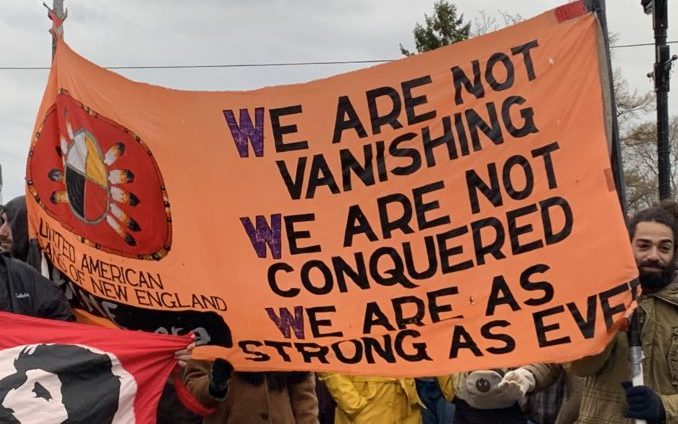
350 years after the Mayflower landed in Plymouth, Massachusetts, a protest was held in solidarity against the genocide and continued oppression and annihilation of Native American tribes. Called the National Day Of Mourning, hundreds of Native American tribes stood and created an alternative protest against the erroneous implications of Thanksgiving.