





Life After Prison in Texas: Freedom… or Just Another Sentence?
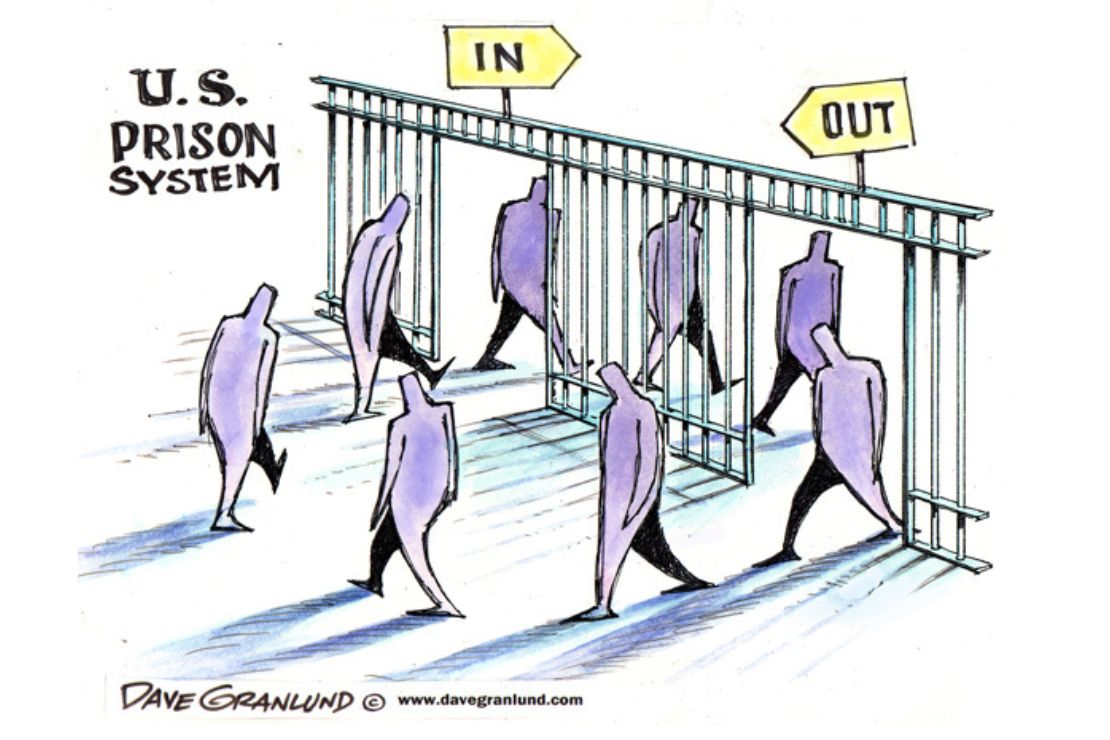
Walking out of a Texas prison gate should feel like freedom. But for a lot of people, it’s just trading one set of bars for another—less visible, but just as heavy. Sure, the state likes to brag about its reentry programs, but let’s be real: a few classes and a halfway house aren’t exactly a golden ticket back into society.
Reentry Programs on Paper vs. Reality
Texas does have reentry programs, and to be fair, some of them do good work. The Reentry and Integration Division sets people up with IDs, helps find jobs, and sometimes provides temporary housing. Nonprofits across the state also work hard—offering mentorship, therapy, addiction recovery, and family reunification programs. These services are the lifeline that can keep someone from slipping back into the cycle. On paper, it all sounds like a solid plan.
But step outside the prison walls, and reality hits hard. Let’s start with jobs. Texas employers love to talk about “second chances,” but when that background check comes back, the so-called second chance dries up fast. Housing? Good luck. Many landlords flat-out reject applications from anyone with a felony record, no matter how many years have passed. Without stable work and housing, the two basic pillars of survival, it’s no surprise that so many people end up right back where they started.
The Stigma That Never Fades
Then there’s the stigma. Society treats “ex-con” like a permanent tattoo. People who’ve already served their time are forced to keep proving themselves again and again, often to people who’ve never walked a mile in their shoes. That kind of label can crush motivation, making it even harder to push forward when doors keep slamming shut.
So, are Texas reentry programs enough? Honestly, no. They’re a decent start, but they’re underfunded, inconsistent, and often limited to certain regions. Some counties have access to robust reentry coalitions, while others offer little more than a pamphlet and a handshake. It’s the difference between building a ladder and throwing someone a rope with frayed ends.
A Call for Real Investment
If Texas is serious about lowering recidivism, then it must stop treating reentry like a side project and start treating it like a public safety strategy. Real investments in job training, housing support, mental health care, and anti-discrimination protections aren’t “perks” for former inmates—they’re common sense. Because let’s face it: when reentry fails, communities pay the price.
Here’s the thing most people don’t want to admit: helping someone rebuild their life after prison isn’t just about compassion—it’s about practicality. Stable housing means fewer people on the streets. Employment means fewer people desperate enough to reoffend. Stronger support systems mean safer neighborhoods overall. Everyone benefits.
Life after prison shouldn’t mean a lifetime sentence of struggle. Freedom should mean freedom—not just surviving but having the chance to thrive. And until Texas steps up and fully commits to reentry, we’ll keep asking the same question: Are reentry programs enough? And the answer will stay the same—no.