






With Deadlines Looming, the State’s Redistricting War Enters a New Phase as 2026 Midterms Near
As we all are looking ahead, to the 2026 mid-term elections, we are compelled to take a closer look, at the Texas legislature’s redrawing of Texas’ congressional maps, which led to a lawsuit. The lawsuit challenged the newly gerrymandered maps, in LULAC v. Abbott, on behalf of minority voters, across Central and South Texas. The case was heard in federal district court in El Paso over a lengthy period of time.
Earlier, in November, a three judge federal panel blocked Texas, from using the new congressional map, drawn to help Republicans, in the 2026 midterm and granted the preliminary injunction being sought. The Court found that the state likely engaged in “unconstitutional racial gerrymandering- relying too heavily on race.” The decision challenges the emerging political doctrine that “views redistricting as a perpetual tool of partisan warfare rather than a decennial constitutional obligation tied to the Census.” The preliminary injunction halted the centerpiece of President Trump’s strategy to secure a Republican House majority. via mid-decade redistricting. This has been compared to Trump’s infamous request, of the Georgia Secretary of State, to “find me 11,000 votes”, after the 2020 general election.
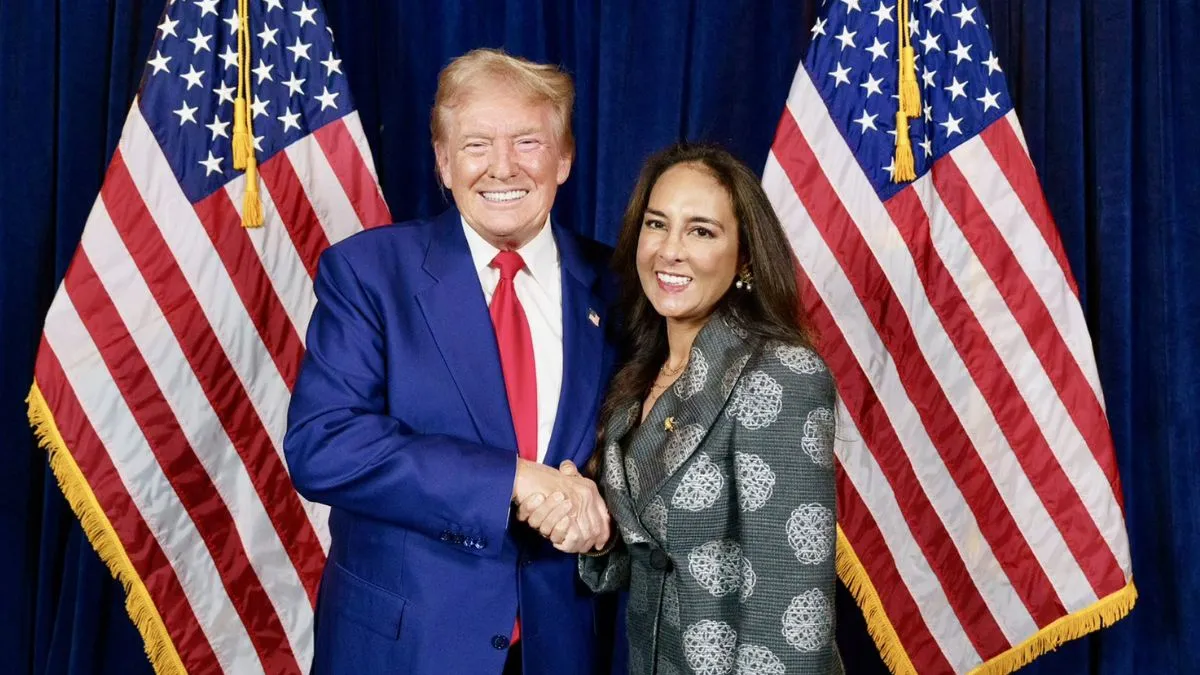
A Letter to Gov. Abbott
What led to this partisan effort, aimed at creating five GOP seats from Texas, is part of the many questions being posed by the media and political pundits alike. It has been determined that in July of 2025, Assistant U.S. Attorney Harmeet Dhillon, of the Department of Justice, sent a letter to Gov. Greg Abbott, alleging that the State’s existing 2021 congressional maps:
“contained vestiges of an unconstitutional racially based gerrymandering past” and violated Section 2 of the Voting Rights Act. The letter purportedly told the state that “four of the state’s congressional districts were unconstitutional “coalition districts” – majority – minority districts in which there was no one racial majority, and that it would take legal action if the state did not redraw these districts immediately.”
The following month the state adopted the new congressional map. Abbott has cited this letter as the primary reason for convening a special legislative session. He claimed the State “was compelled to ensure compliance with federal laws.” However, in doing so, the governor and legislative leaders explicitly linked the redraw to racial considerations rather than purely partisan ones.
As of Now- We Wait
Presently, Texas filed an appeal to the Supreme Court, asking for the newly drawn maps to be allowed for the 2026 midterms. A stay has been issued, by Justice Sammuel Alito and the decision is now on hold. The gerrymandering race has spilled over into a number of other states, including California, whose voters passed their “Proposition 50” in response to Texas’s actions on behalf of the GOP; North Carolina and Missouri, with Utah having an upcoming election, as well.
Filing deadlines are set for December 8, 2025 and election administrators have to put systems in place. How all of the changes will impact voter turnout has yet to be calculated, but, this writer will continue unraveling the outcomes of the legislature’s handiwork.