






Why People Keep Dying in Texas Prisons—and Why Answers Are Hard to Find
Deaths inside Texas prisons did not stop when the calendar turned to 2026. Instead, new deaths — tied to drugs, medical neglect, and violence — are again exposing gaps in care and a system that often leaves families without answers about how their loved ones died.
According to custodial death data compiled by the Texas Attorney General’s Office and reviewed by news outlets, more than 100 people died in TDCJ custody in 2025. Those deaths included natural causes, suicides, homicides, suspected overdoses, and cases still under investigation. Advocates tracking early 2026 reports say multiple deaths were recorded in December 2025 and the first weeks of January 2026, continuing a pattern seen in recent years.
TDCJ does not maintain a centralized, real-time public database of inmate deaths, forcing families and journalists to rely on delayed custodial death notices, media reporting, and family disclosures to understand the scope of the problem.
Deaths Linked to Drugs and Overdose
Deaths linked to drugs are a growing concern inside Texas prisons. Journalistic investigations and watchdog reports have documented the presence of contraband drugs — including synthetic substances — within TDCJ facilities. In several cases, deaths initially reported as medical emergencies were later reassessed after toxicology reports showed drug involvement.
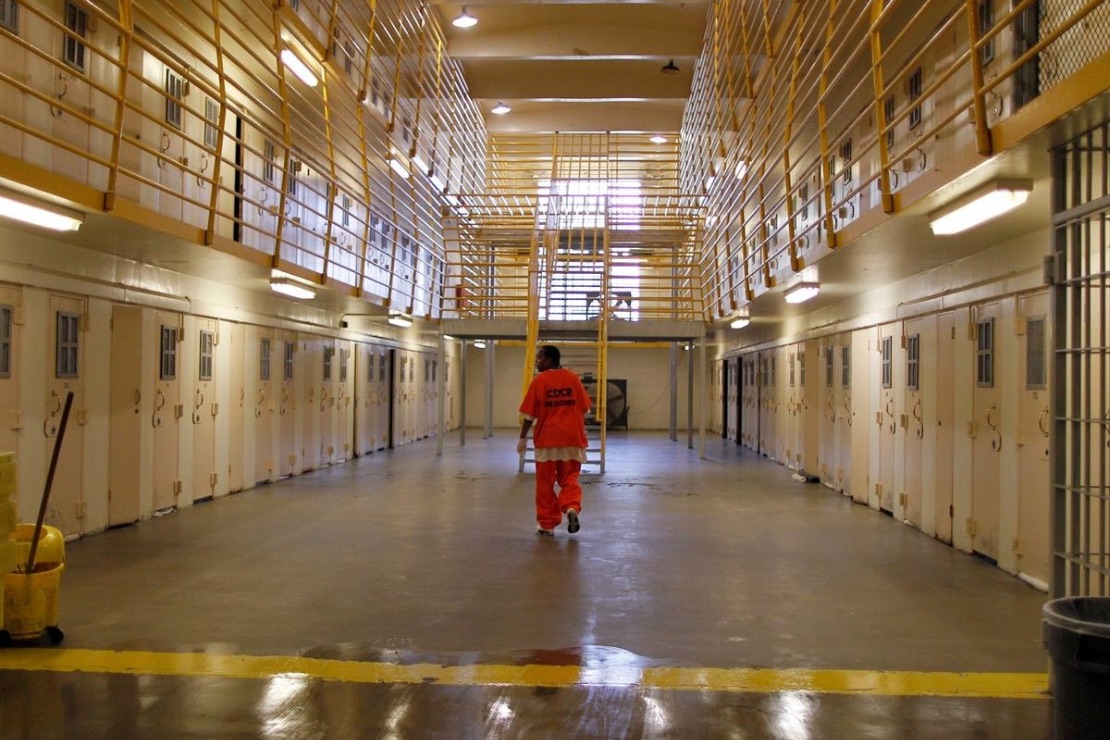
Because toxicology testing can take weeks or months, suspected overdose deaths are often undercounted in early reports, according to prison advocacy organizations, masking the true scale of drug-related fatalities behind bars.
Medical Neglect and Chronic Illness
Medical neglect remains one of the most common allegations following deaths in custody. Prisoners with chronic illnesses, neurological conditions, or mental health needs are especially vulnerable in understaffed units.

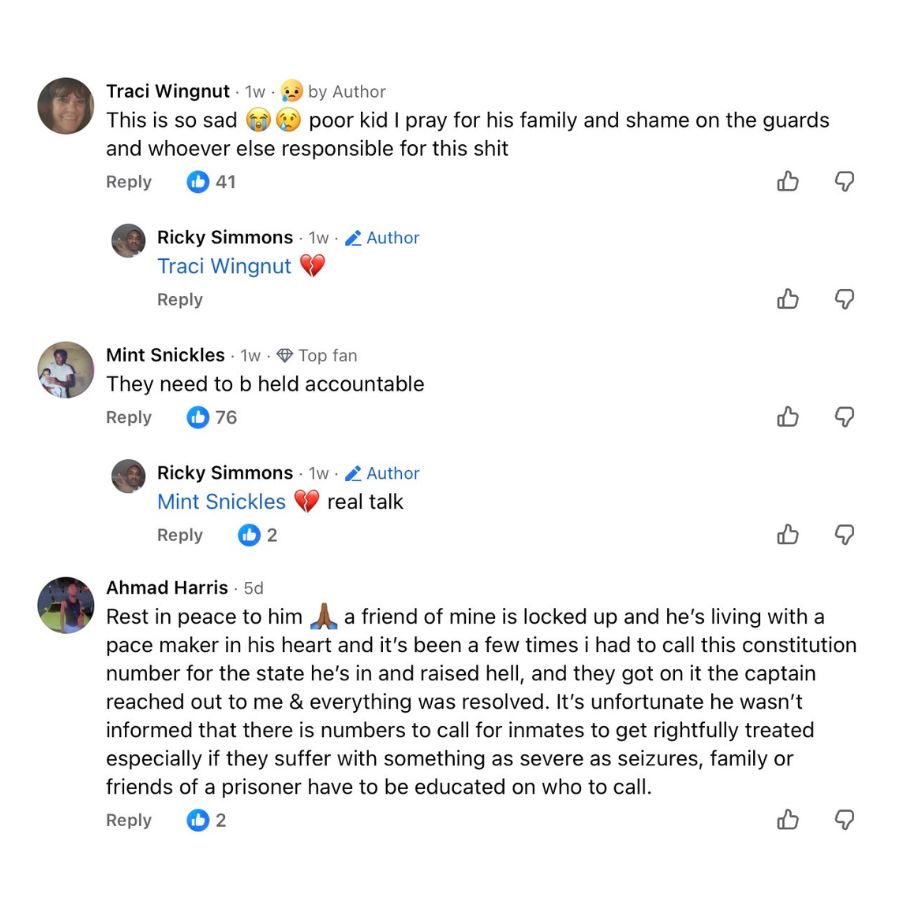
That concern is central to the death of Deon Henderson, who was found unresponsive in his cell at the Connally Unit on January 13, 2026, according to statements from his family. Henderson’s mother says he suffered from a seizure-causing brain condition, was not receiving proper medication, and had repeatedly expressed fear for his safety. TDCJ has not yet released an official cause of death, and autopsy results are pending.
Suicide, Violence, and Extreme Conditions
Suicide also continues to account for a portion of prison deaths. On January 16, 2026, Jared James Dicus was found dead at the Wainwright Unit, a death TDCJ officials classified as a suicide.
Environmental conditions compound these risks. In 2025, a federal judge ruled that extreme heat in Texas prisons is unconstitutional, citing evidence that high temperatures posed a substantial risk of serious harm. Many Texas prisons lack full air conditioning, and heat exposure has been linked to medical emergencies and deaths.
Together, these deaths reflect a system strained by neglect, secrecy, and structural failure — one where families are left searching for answers long after their loved ones are gone.