





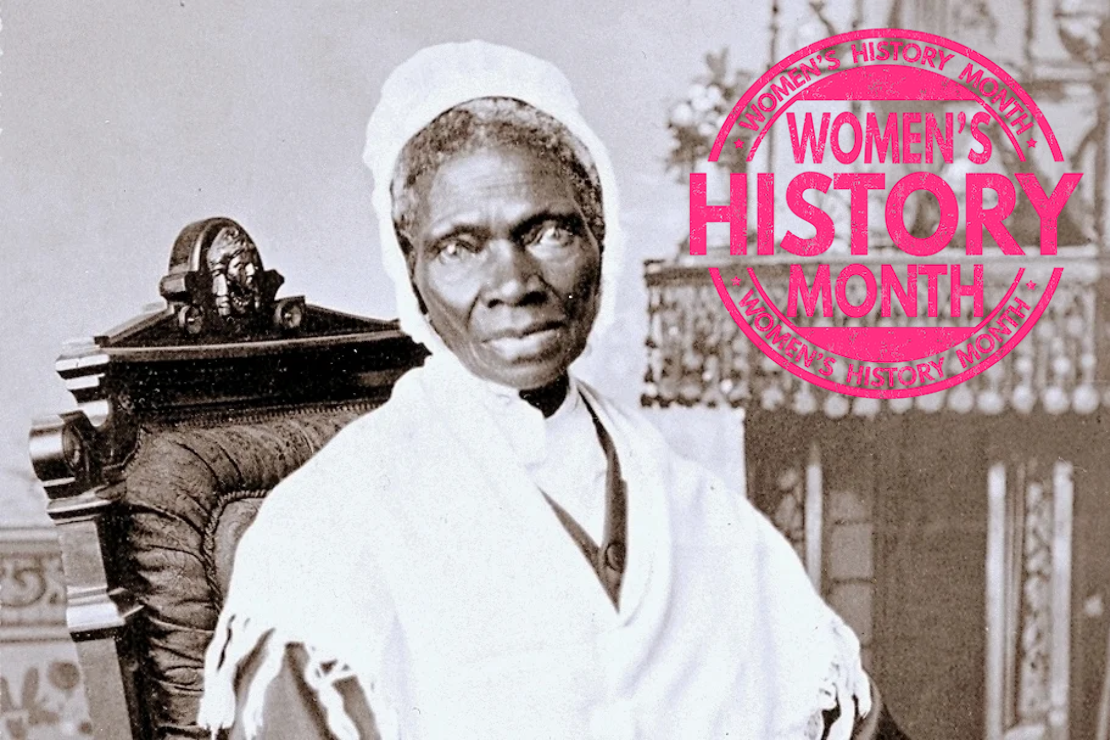
Sustainability Beyond the Environment: Preserving the Record on Sojourner Truth and the Fight to Maintain Progress
Women’s History Month began as Women’s History Week in 1980 and was expanded by Congress to a full month in 1987. It recognizes a long timeline that includes milestones such as the 19th Amendment in 1920, the Voting Rights Act of 1965 and Title IX in 1972.
During this month, many of the conversations about rights, access and equality are not new. They echo arguments that have shaped American women’s lives for generations.
This year’s national theme, “Leading the Change: Women Shaping a Sustainable Future,” highlights women’s leadership across environmental, economic and social justice movements. The theme also speaks to the responsibility of sustaining progress and preserving history accurately, particularly when the voices of women like Sojourner Truth have been recorded, revised and, at times, altered.
The Original 1851 Transcription
In 1851, at the Women’s Rights Convention in Akron, Ohio, Sojourner Truth delivered remarks that would later become known as the “Ain’t I a Woman?” speech.
“I have as much muscle as any man, and can do as much work as any man. I have plowed and reaped and husked and chopped and mowed, and can any man do more than that?”
-Sojourner Truth, Published by Marius Robinson on June 21, 1851 in the Salem Anti Slavery Bugle
Instead of using the most common yet inaccurate rendering of Truth’s words, I quote the oldest full account of her speech. Published by Marius Robinson on June 21, 1851 in the Salem Anti Slavery Bugle, just weeks after the speech was given, Robinson’s version is considered the first attempt to convey what Sojourner Truth said in full. Robinson was present at the convention and documented her remarks.
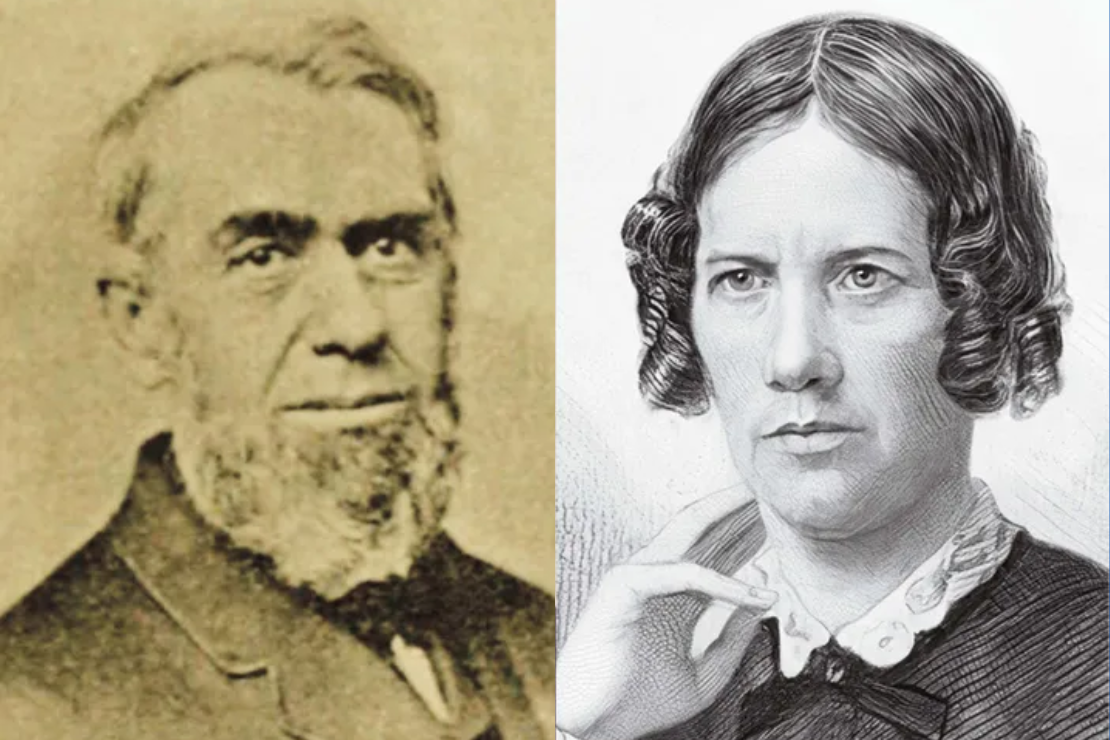
The version of the speech most widely quoted today, including the repeated refrain “Ain’t I a Woman?,” was published years later by activist Frances Dana Barker Gage in 1863. Historians note that Gage’s transcription reflected a Southern dialect that Truth likely did not use.
Truth’s words pointed to a visible divide between how womanhood is described in theory and how it was experienced in reality. While some women were framed as delicate and in need of protection, Truth spoke from the standpoint of a black woman who not only had plowed fields, performed hard labor and borne children who were later sold into slavery, she did the man’s work herself.
The difference between the 1851 speech and the 1863 publication underscores how historical narratives can be shaped by those who record them. Throughout American history, records involving enslaved people, freedmen and women and early Black activists were often filtered by whites who controlled printing presses and public distribution.
Exclusion Within Women’s Sufferage
The Akron convention was largely attended by white women and male clergy. Historical records indicate that Truth, who was born in New York and raised speaking Dutch and learned English later in life, was one of the few Black women present. Her appearance came at a time when and women’s rights movements overlapped but did not always align in practice.
When the women’s suffrage movement expanded in the late 1800s, it was not free from exclusion. Some prominent white suffrage advocates compromised racial equality in order to gain political traction in the South.
Sojourner Truth articulated that layered reality long before academic language existed to define it. Decades later, the term “white feminism” would emerge to critique movements that center white, middle class women while overlooking other women. Legal scholar Kimberlé Crenshaw introduced the framework of intersectional feminism to explain how racism and sexism intersect rather than operate separately.
“As for intellect, all I can say is, if women have a pint and man a quart – why can’t she have her little pint full?”
-Sojourner Truth, Published by Marius Robinson on June 21, 1851 in the Salem Anti Slavery Bugle
Sustainability Beyond the Environment
This year’s theme centers on sustainability, not only in environmental terms, but in the endurance of rights, representation and equitable access. Sustaining progress requires more than commemorating milestones. It requires preserving original voices, confronting exclusions within reform movements and maintaining systems and laws in place that will protect women across generations.