





AT A GLANCE
- South Carolina remains one of only two states without a hate crime law.
- Local governments are passing ordinances with only misdemeanor penalties.
- Efforts to pass a statewide bill have stalled repeatedly since the 2015 Charleston church massacre.
- Gov. Henry McMaster argues existing laws already carry strong punishments.
South Carolina Still Without Statewide Hate Crime Law After Latest Shooting
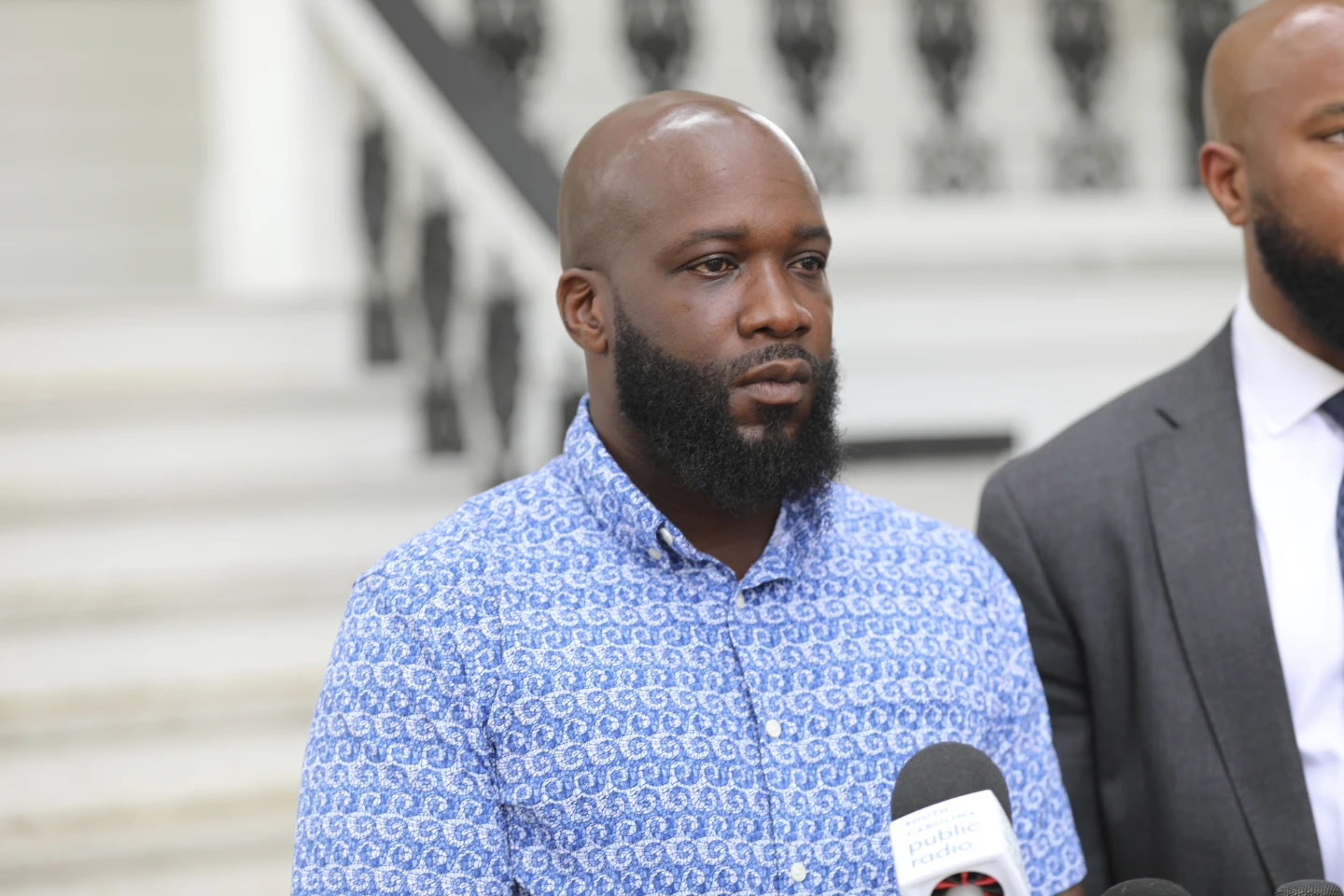
When Jarvis McKenzie locked eyes with the man in the car, he couldn’t understand the hate he saw. When the man picked up a rifle, fired over his head and yelled “you better get running, boy!” as he scrambled behind a brick wall, McKenzie knew it was because he is Black.
McKenzie told his story a month after the shooting because South Carolina is one of two states along with Wyoming that don’t have their own hate crime laws.
About two dozen local governments in South Carolina have passed their own hate crime ordinances as the latest attempt to put pressure on the South Carolina Senate to take a vote on a bill proposing stiffer penalties for crimes driven by hatred of the victims because of their race, religion, sexual orientation, gender or ethnicity.
A decade of pressure from businesses, the survivors of a racist Charleston church massacre that left nine dead, and a few of their own Republicans hasn’t been enough to sway senators.
Local Governments Pass Hate Crime Laws But With Light Penalties
Richland County, where McKenzie lives, has a hate crime ordinance and the white man seen on security camera footage grabbing the rifle and firing through his open car window before driving into his neighborhood on July 24 is the first to face the charge.
But local laws are restricted to misdemeanors with sentences capped at a month in jail. The state hate crimes proposal backed by business leaders could add years on to convictions for assault and other violent crimes.
McKenzie sat in the same spot at the edge of his neighborhood for a year at 5:30 a.m. waiting for his supervisor to pick him up for work. For him and his family, every trip outside now is met with uneasiness if not fear.
“It’s heartbreaking to know that I get up every morning. I stand there not knowing if he had seen me before,” McKenzie said.
Hate Crime Law Efforts Have Stalled Since Charleston Church Massacre
The lack of a statewide hate crime law rapidly became a sore spot in South Carolina after the 2015 shooting deaths of nine Black worshippers at Emanuel AME Church in Charleston. After a summer of racial strife in 2020, business leaders made it a priority and the South Carolina House passed its version in 2021.
But in 2021 and again in the next session in 2023, the proposal stalled in the South Carolina Senate without a vote. Supporters say Republican Senate leadership knows it will pass as more moderate members of their own party support it but they keep it buried on the calendar with procedural moves.
The opposition is done mostly in silence and the bill gets only mentioned in passing as the Senate takes up other items, like in May 2023 when a debate on guidelines for history curriculum on subjects like slavery and segregation briefly had a longtime Democratic lawmaker ask Republican Senate Majority Leader Shane Massey why hate crimes couldn’t get a vote.
“The problem right now is there is a number of people who think that not only is it feel good legislation, but it is bad legislation. It is bad policy not because people support hate but because it furthers division,” Massey responded on the Senate floor.
Governor Says Current Laws Are Enough
Republican Gov. Henry McMaster understands why local governments are passing their own hate crime laws, but he said South Carolina’s laws against assaults and other violent crimes have harsh enough sentences that judges can give maximum punishments if they think the main motivation of a crime is hate.
“There’s no such thing as a love crime. There is always an element of hatred or disrespect or something like that,” said the former prosecutor who added he fears the danger that happens when investigators try to enter someone’s mind or police their speech.
But some crimes scream to give people more support in our society, Lott said.