





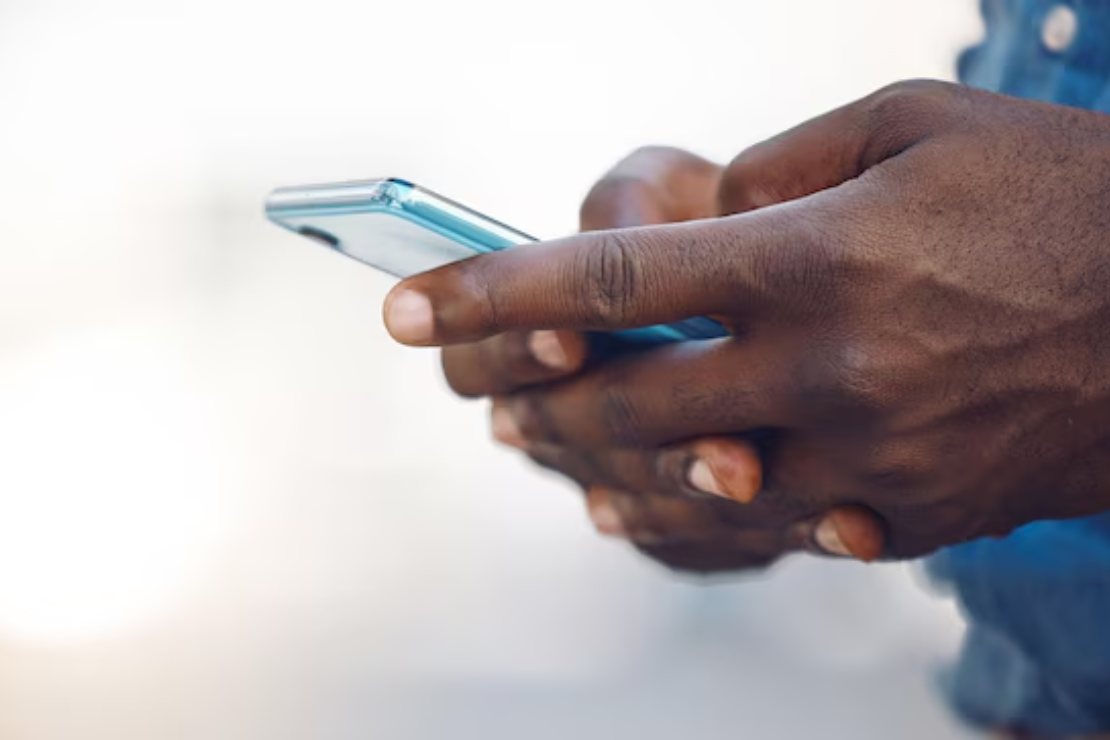
Politicians Keep Learning the Hard Way, Private Texts Aren’t Private
It turns out the deadliest weapon in politics isn’t opposition research, it’s your phone. A string of leaked text messages has brought down political careers from Washington to Virginia, with words typed in private group chats now detonating in public view.
In the past few weeks alone, a White House nominee stepped down, seven young Republicans lost their jobs, and a Virginia Democrat’s campaign nearly imploded. Their crime? Forgetting that screenshots are forever.
Paul Ingrassia, Donald Trump’s pick for the Office of Special Counsel, withdrew his nomination after Politico reported he described himself as having a “Nazi streak” and wished Martin Luther King Jr. Day “into hell.” Just days earlier, Politico revealed a Telegram group of young GOP leaders casually trading racist memes — from calling Black people “monkeys” to posting images of gas chambers.
“This is as close as readers can get to seeing how powerful people really think,” said Politico’s senior executive editor, Alex Burns, who called texts “one of the last frontiers of inadvertent authenticity.”
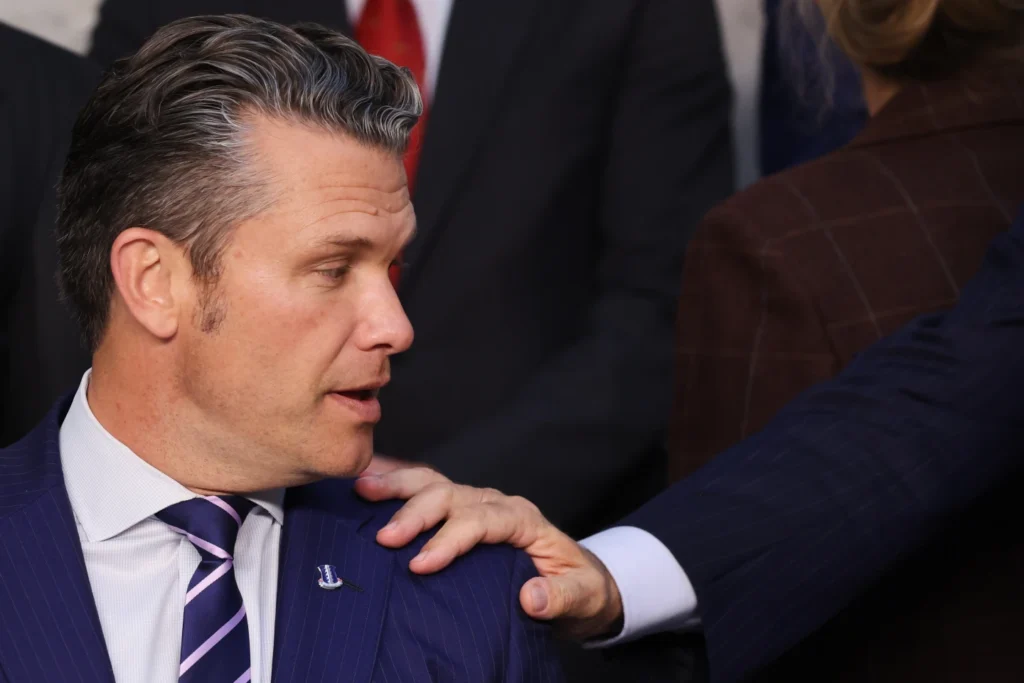
A Window Into the Unfiltered Mind
History has no shortage of moments when politicians forgot the microphone was still on. Ronald Reagan once joked before a broadcast that “we begin bombing in five minutes.” Richard Nixon, in his paranoia, recorded his own downfall. But today, the incriminating device lives in everyone’s pocket.
“Some parts of our brain don’t recognize text on a glowing piece of glass as real human conversation,” said Georgetown computer science professor Cal Newton. “Bad impulses slip out because you can’t see reactions.”
That disconnect can make even seasoned figures reckless. One Republican warned in a chat, “If we ever had a leak of this chat we would be cooked.” They were right.
Cornell professor Sarah Kreps compared the behavior to political sex scandals. “Everyone sees the cautionary tales,” she said, “but they still think, ‘It can’t happen to me.’”
The Newsworthiness Test
Burns insists Politico isn’t simply publishing embarrassing leaks. “We’re not throwing stuff out there that’s merely vulgar,” he said. “There’s a specific reason this material is newsworthy.”
Still, the fallout can be brutal. In Virginia, Democrat Jay Jones had to apologize for 2022 texts saying a Republican rival “should get two bullets to head.” Jones admitted to sending the messages but said they were “a terrible mistake.”
And in the age of artificial intelligence, denial has become a standard defense. Ingrassia’s attorney, Edward Andrew Paltzik, claimed the “purported” texts could have been “doctored or manipulated.”
Journalism in the Deepfake Era
For reporters, proving authenticity is now half the battle. Politico says it interviewed multiple people from the Ingrassia chat and verified his phone number. Lawfare journalist Anna Bower took similar steps when Virginia prosecutor Lindsey Halligan messaged her on Signal to complain about her coverage.
When Halligan later claimed the conversation was off the record, Bower explained to readers that such an agreement must be made in advance — and it wasn’t.
Even The Atlantic’s Jeffrey Goldberg found himself unwittingly added to a Signal group where top defense officials discussed potential military strikes. Thinking it was a prank, he left — until the National Security Council confirmed it was real.
As Burns put it: “The burden is always on us to show the reader why we are completely convinced the material is authentic.”