





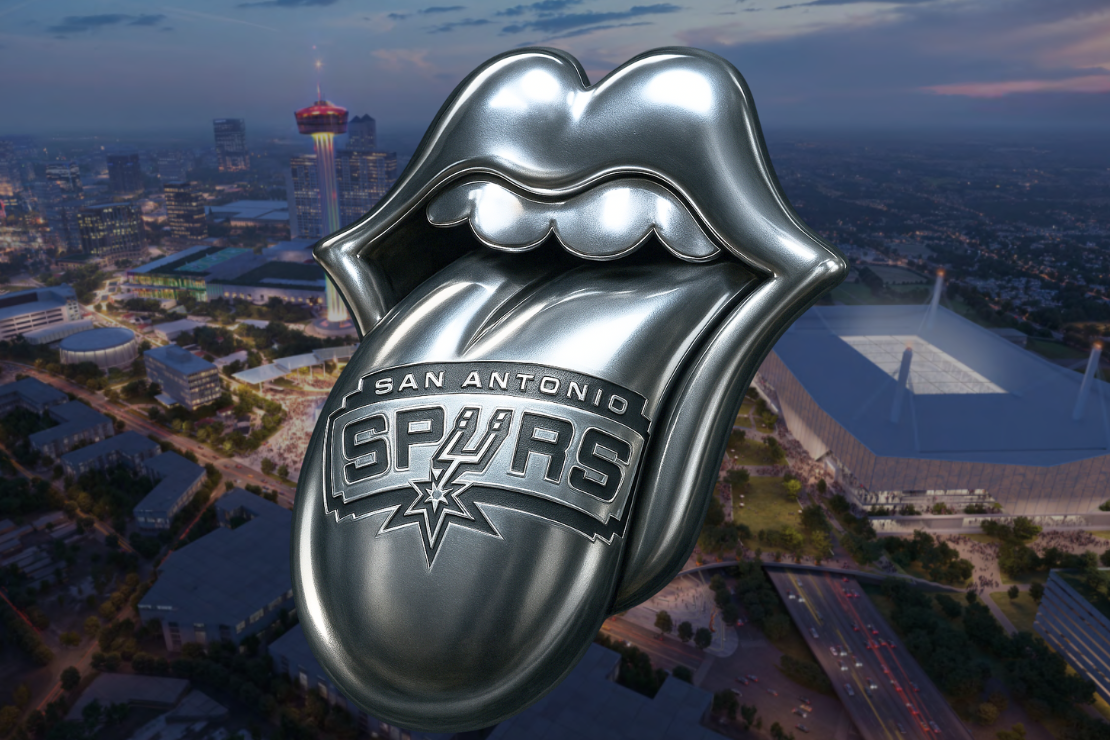
Spurs Arena Debate Highlights San Antonio’s Long History of Broken Promises
The debate over a new Spurs arena has become the latest fault line between San Antonio’s city leaders, Bexar County officials, and the Eastside community — a historically Black neighborhood shaped by decades of disenfranchisement. Like so many U.S. cities, “revitalization” here has often meant gentrification: investment that raises property values, then pushes out the very people it was supposed to help.
Support is split. Some see the project as progress — a way to attract events, grow the local economy, and invest in the city’s image. Supporters argue that a new arena would be a much-needed “upgrade” for downtown and a boost to the city’s economy. Others see it as another chapter in a long pattern of promises that leave the Eastside with less than it started with.
Arena Proposal Divides City Leaders, County Officials, and Eastside Residents
On the city’s side, Mayor Jones has called for a pause until an independent, transparent economic analysis is complete, making clear she won’t back the deal without proof it’s worth it. Bexar County has a venue tax vote this November to fund its share, tied to three main projects: upkeep of the Freeman Coliseum and Frost Bank Center, year-round rodeo expansion, and whatever’s left for the arena. Judge Sakai has floated using nearby land — including the city-owned Willow Springs Golf Course and the old Coca-Cola site — to “fulfill promises to the Eastside,” though no formal plans exist.
Community Distrust Runs Deep
The Spurs’ history with the community is a sticking point. Those silver tongues benefited from public support through several endeavors, yet critics say they’ve given little back to the Eastside community they resided in for all their championships. Eastside critics ask why, if they’re unhappy with their current home, they just move to Austin or Las Vegas — cities that would welcome them without the same community pushback.
“Why are they making this our burden to produce? When they don’t even want to be in San Antonio?!” said Marshall Bryant, 52, a Willowwood neighbor.
Urban Development’s Catch-22: Gentrification
For those against the project, the concern isn’t just change itself — it’s who actually benefits from it. Under conventional development models, if the benefits outweigh the costs on paper, then it’s tough luck for the marginalized communities caught in the middle. These projects often prioritize maximizing returns on investment, which can lead to gentrification that displaces low-income residents and communities of color.
Gentrification is the urban development Catch-22 — make a neighborhood better for poor people and it becomes too expensive for them to stay.
Back in 2002–2003, the Eastside was sold a dream and got dust. Now, the same silver tongue is making promises again but with enough civic participation at the polls we can make sure it loses its luster where it counts — on Election Day.