





AT A GLANCE
- A Senate investigation led by Sen. Jon Ossoff found more than 80 credible cases of medical neglect in U.S. immigration detention centers.
- Detainees were reportedly denied insulin, left untreated for days, and forced to compete for clean water.
- The Department of Homeland Security and ICE have yet to comment on the findings.
- Advocates describe systemic failures and inhumane conditions across multiple facilities.
Report Finds Widespread Neglect In Detention Centers Such As Life-Threatening Delays, Denied Medication, Spoiled Food, Contaminated Water, & More
A U.S. Senate inquiry has exposed dozens of credible cases of medical neglect and substandard living conditions in federal immigration detention centers, where detainees reportedly went without critical care, including insulin, asthma medication, and even clean water.
The report, led by Sen. Jon Ossoff (D-Ga.), marks the second in an ongoing Senate probe into alleged human rights abuses within the immigration detention system. Drawing from more than 500 reports of abuse collected between January and August, investigators documented over 80 verified cases of medical neglect and systemic oversight failures.
“These findings are part of a larger failure of accountability,” Ossoff said. “Americans demand secure borders but also humane treatment. Every human being is entitled to dignity.”
The report recounts incidents in which detainees suffered grave health consequences due to delayed or denied care. One detainee reportedly experienced a heart attack after days of untreated chest pain. Others said they were denied inhalers, insulin, or essential prescriptions for weeks.
A Homeland Security staff member described near-daily medical emergencies: “Ambulances have to come almost every day.”

One diabetic detainee allegedly went two days without insulin, becoming delirious before receiving help. Another waited months for gastrointestinal medication.
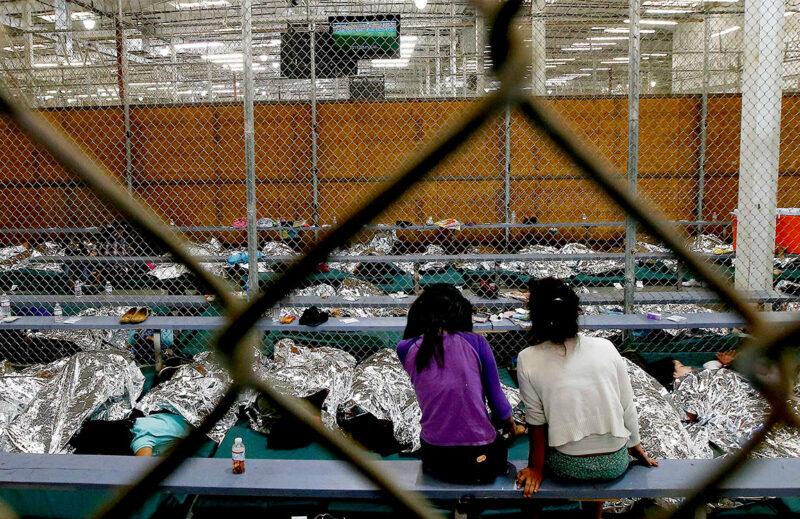
Beyond medical neglect, detainees described a dire lack of food and clean water. Meals were reportedly too small for adults, milk often expired, and the water supply foul-smelling or unfit to drink.
At a Texas facility, a teenager told investigators that adults were forced to compete with children for limited bottles of clean water.
The Department of Homeland Security, which previously dismissed Ossoff’s earlier report as politically motivated, did not respond to repeated requests for comment.
Advocates say the conditions extend across the nation. Stephanie Alvarez-Jones, regional attorney for the National Immigration Project, described the case of a 60-year-old detainee at Camp J in Louisiana who was denied a prescribed walker after suffering stroke-like symptoms.
“He still had paralysis on his left side,” Alvarez-Jones said. “He couldn’t shower, feed himself, or use the bathroom. He was forced to lay in soiled bedsheets.”
Detention staff allegedly accused the man of faking his illness before giving him an ultimatum: stay in solitary confinement and receive the walker, or return to the general population without it.
Amelia Dagen, senior attorney with the Amica Center for Immigrant Rights, said her organization’s clients detained at the Baltimore ICE field office face similar neglect. A lawsuit alleges the facility lacks both medical staff and a food vendor, despite holding detainees for up to a week.
Dagen said meals often consisted of little more than “a protein bar, or just bread and water,” while detainees were forced to drink from sink faucets attached to cell toilets.
“This is 100% a problem of their own making,” Dagen said. “They’re arresting more people than they can humanely detain, and they know it.”
Ossoff’s findings add to mounting evidence that the federal immigration detention system is plagued by neglect and insufficient oversight. Advocates and attorneys say these abuses are not isolated incidents but the predictable outcome of overcrowded facilities and inadequate resources.
“Secure borders do not require cruelty,” Ossoff said. “This work will continue until every detention center meets the basic standards of human decency.”