





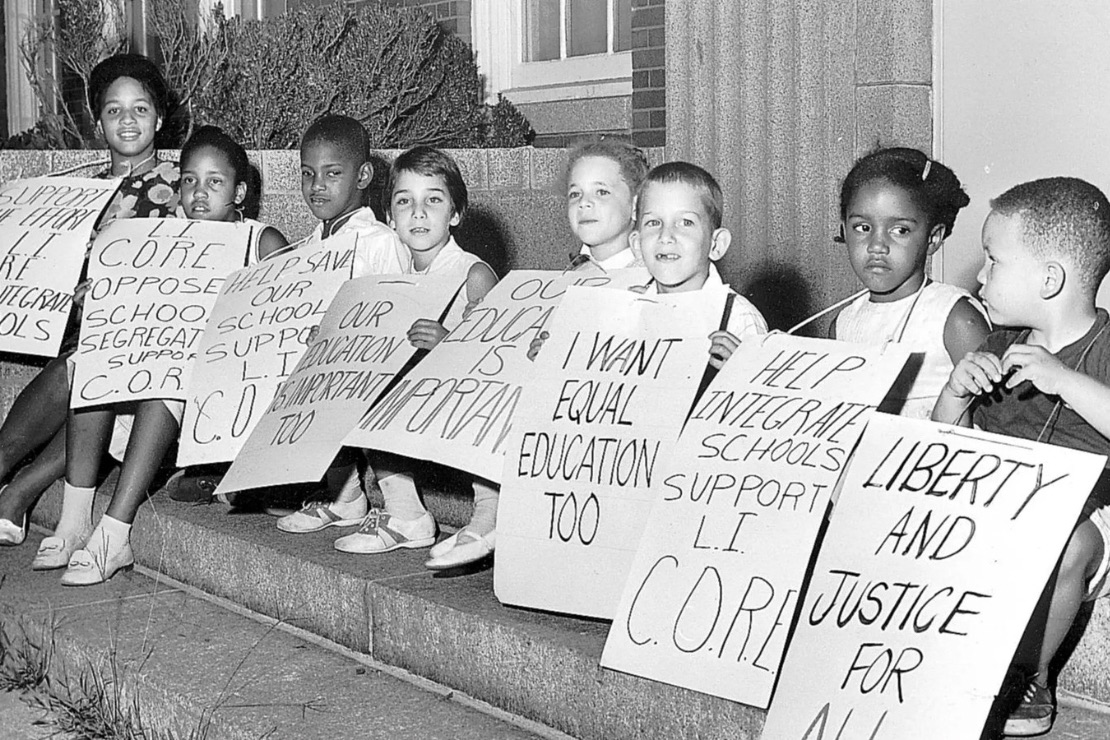
Segregation Was Separate and Unequal—And It Was Harmful
There are some who think that segregation was a good thing. I do not think so, and those that do have not looked at the cold hard facts. Some would argue that being in your own community, either Black or Brown, was best given the hatred in a white supremacist society. We had our own restaurants, barber shops, movie theaters, businesses, etc. However, we did not control the joysticks of power. The education we often received was inferior and the books were old and outdated. We did not control the school boards. Often, teachers in the Black and Brown community were educated in a segregated college which resulted in inexperienced teachers or ones that should have never been allowed to teach in the first place. Some teachers didn’t teach anything but talked about the clothes they wore, or the clothes you didn’t wear. I know some don’t like to hear this but it was true.
In a segregated community they could burn that community down like they did Tulsa, (Black Wall Street) or prevent you from getting a loan because of your zip code. If you called the police, they might arrest you for calling or completely ignore Black on Black crime as was the case on the Eastside of San Antonio. The police would beat you up and nothing could stop that. Segregation psychologically damaged Black and Brown children and caused them to internalize racism (the preference of a White doll over a Black doll). It also created runaway crime and drug abuse. Segregation created an intimidating environment with constant reminders of an enforced racial hierarchy, police abuse, and inferior education, which fostered negative views about Black people. Even the Black middle-class were treated like criminals. Segregation made you unfree and was maintained through police or mob violence, including legal restrictions, threats, and lynchings, thereby creating an environment of fear. If you think things were better you lived a fairy tale.
Segregated communities were systematically denied resources and investment, leading to failing schools, inadequate services, and physical damage. Streets flooded, cancer causing dumps were allowed, and fuel storage polluters were allowed to thrive at the expense of homeowners. Segregation is associated with a range of poor health outcomes, including higher mortality rates and poor pregnancy outcomes. “Redlining,” prevented Black and Brown families from building home equity and accumulating generational wealth, the primary driver of the racial wealth gap that persists even now. Because a small measure of safety was allowed in a segregated community, you were suckered into thinking that this was better, it was not, and ignorance of it was the real issue. Segregation obstructed educational achievement, limited employment opportunities and earnings, and blocked upward economic mobility for people of color.
Wanting to live around, go to school with and associate with those like you, and that have similar values is one thing, but ignoring the power of white supremacy in controlling communities is sheer ignorance. Segregation was a system sprung from slavery and the efforts of white supremacy to oppressed by denying them equal access to public facilities and ensuring that Blacks got the worst. Things were separate and unequal. Segregation was an act of war and used to keep Blacks and Browns under control—like Native American reservations. Some Black folk point to the social cohesion and economic self-reliance of all-Black, but this does not tell the whole story. The truth is in the detail not in limited thought. One must remember that White gangsters controlled Harlem during segregation—freedom was never complete with segregation.