





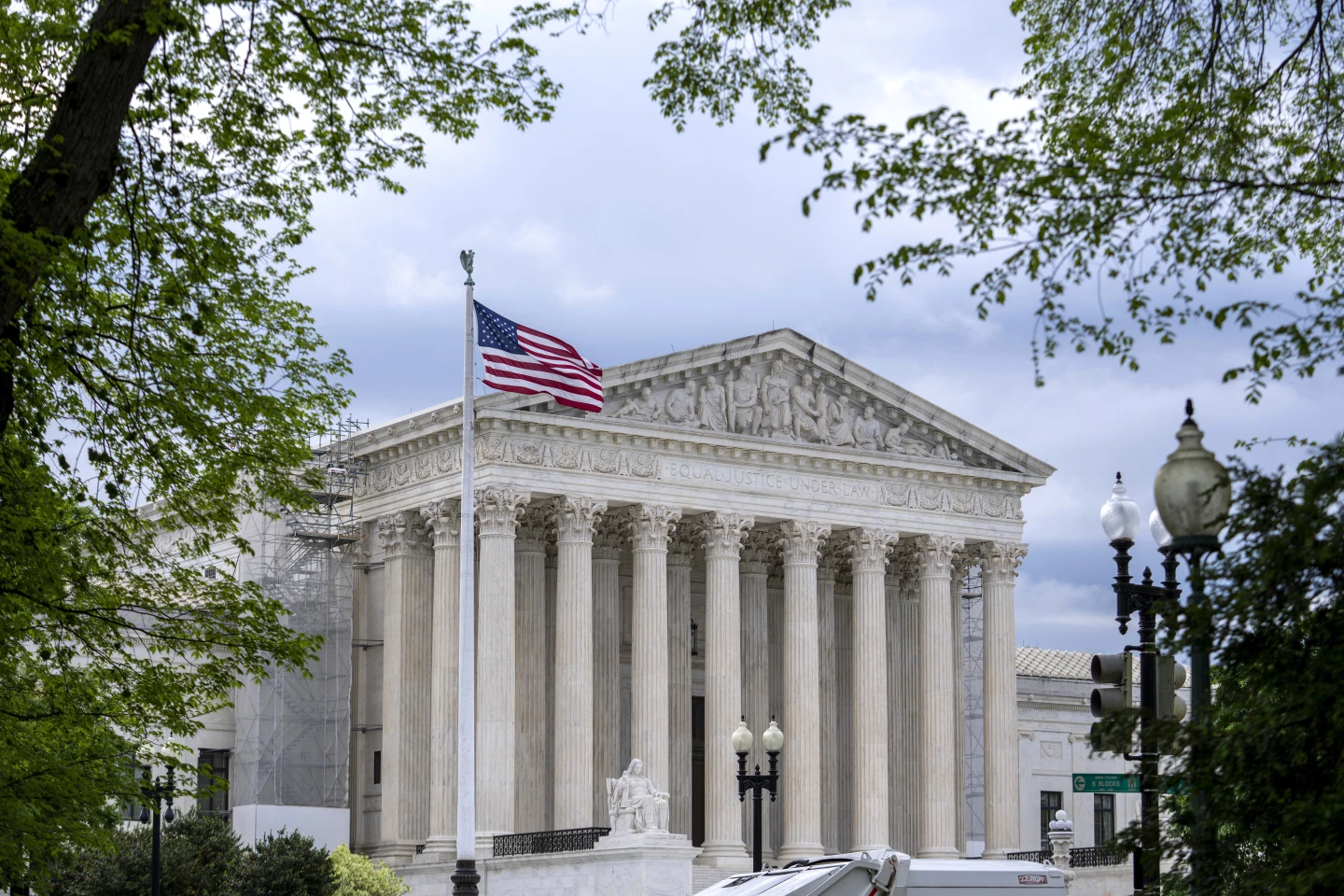
SCOTUS Ends Nationwide Injunctions, Leaves Trump’s Birthright Citizenship Order in Legal Limbo
In one of its final decisions of the term, the U.S. Supreme Court ruled that individual federal judges do not have the authority to issue nationwide injunctions—delivering a legal win to former President Donald Trump and his administration. However, the Court left unresolved whether Trump’s executive order denying birthright citizenship to U.S.-born children of undocumented immigrants can take effect.
The president, making a rare appearance to hold a news conference in the White House briefing room, said Friday that the decision from the Supreme Court was “amazing” and a “monumental victory for the Constitution,” the separation of powers and the rule of law.
“It’s a giant,” Trump said of the ruling. “And they should be very proud and our country should be very proud of the Supreme Court today.”
The ruling sends several cases—including those involving Trump’s executive order—back to lower courts. Justice Amy Coney Barrett wrote in the majority opinion that judges must now tailor rulings more narrowly, applying them only to the parties directly involved. Enforcement of any blocked policies must wait at least 30 days.
Justice Sonia Sotomayor dissented, warning that the ruling gives the executive branch a dangerous loophole to sidestep constitutional challenges. “The court’s decision is nothing less than an open invitation for the government to bypass the Constitution,” she wrote.
The Battle Over Birthright Citizenship Isn’t Over
Trump’s executive order aimed to redefine the 14th Amendment by denying citizenship to U.S.-born children of undocumented immigrants, arguing such individuals are not “subject to the jurisdiction” of the United States. Legal scholars widely reject this interpretation.
Since its ratification after the Civil War, the 14th Amendment has guaranteed birthright citizenship. In the 1898 case United States v. Wong Kim Ark, the Court ruled that nearly all children born on U.S. soil are citizens—excluding only children of diplomats, hostile foreign agents, or sovereign tribal members.
Advocates and rights groups, along with attorneys general from several Democratic-led states, have pledged to continue fighting the order in court. “We have every expectation we will be successful in keeping the 14th Amendment as the law of the land,” said Massachusetts Attorney General Andrea Campbell.
Other Key Rulings: Religion, Internet Access, and Health Care
In addition to the injunction decision, the Court ruled on several other major issues:
- Religious Rights in Education: The Court sided with Maryland parents who objected to public school book content on religious grounds.
- Obamacare Coverage: A core element of the Affordable Care Act’s coverage requirements was upheld.
- Online Protections for Children: Justices upheld a law aimed at shielding minors from online pornography.
- Universal Service Fee: The Court preserved a federal fee that subsidizes phone and internet access in rural areas, schools, and libraries.
Court Also Greenlights States to Block Medicaid Funds from Planned Parenthood
In another high-impact decision, the Court ruled 6–3 that states may bar Medicaid payments to Planned Parenthood, even for services unrelated to abortion. This decision bolsters a 2018 executive order from South Carolina Governor Henry McMaster that prohibited Medicaid reimbursements to any abortion provider, including for services like cancer screenings, STI testing, and contraception.
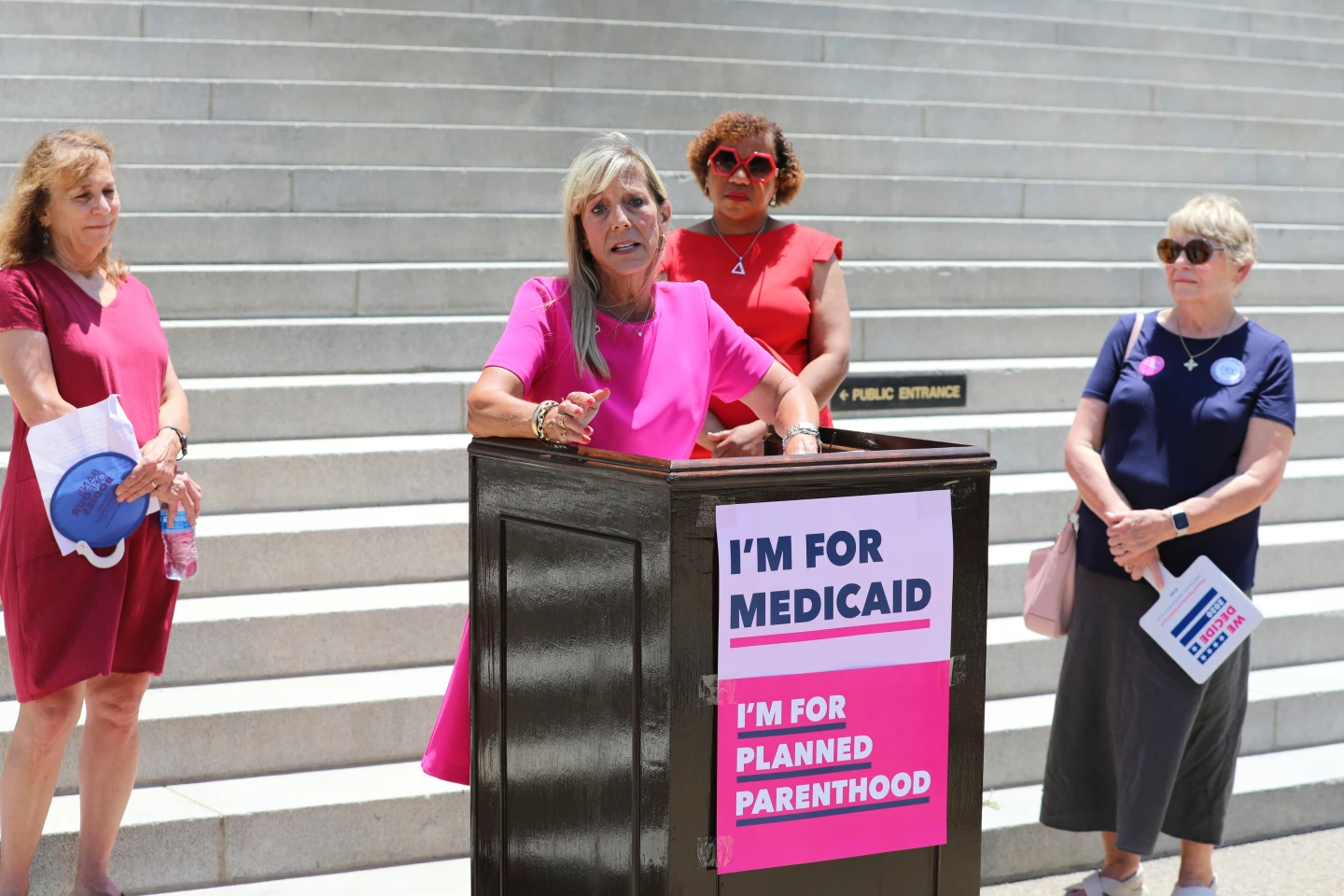
Although Medicaid funds are already restricted from being used for abortion services, this ruling enables states to defund Planned Parenthood altogether.
Health Advocates Warn of Disastrous Impact
Reproductive rights advocates argue the ruling isn’t just about abortion—it’s about access to basic healthcare.
“Planned Parenthood provides services for highly disadvantaged populations,” said Georgetown law professor Lawrence Gostin. “This will mean many women will lose services altogether.”
For patients in rural or underserved communities, Planned Parenthood is often the closest and most trusted provider. The decision, critics say, targets not just the procedure but the infrastructure of reproductive care.
Kimberly Inez McGuire, Executive Director of URGE (Unite for Reproductive & Gender Equality), noted: “People enrolled in Medicaid, including young people and people of color, already face too many barriers to getting health care. This decision makes a difficult situation worse.”
Potential Domino Effect: More States May Follow South Carolina
South Carolina’s two Planned Parenthood clinics receive just $90,000 a year in Medicaid funds—pocket change in the state’s $9 billion Medicaid budget—but the symbolic and legal precedent is massive.
Eighteen Republican attorneys general filed briefs supporting the state’s position. “We can imagine that anti-abortion legislators in other states may try to replicate what South Carolina has done,” warned Amy Friedrich-Karnik of the Guttmacher Institute.
Congress and the White House Target Federal Funding
Planned Parenthood now faces threats at the federal level too. The U.S. House recently passed a budget amendment that would bar all federal payments for 10 years to any nonprofit that provides abortions and receives over $1 million in federal funding.
Planned Parenthood says this measure could shutter up to 200 of its 600 clinics nationwide—especially in states where abortion is still legal and demand is high.
SBA Pro-Life America President Marjorie Dannenfelser supported the move, claiming other clinics can fill the gap. “She’ll retain the same Medicaid money,” Dannenfelser said. “She’ll just take it to a different place.”
Post-Roe America: Clinics Struggle to Survive
Since the fall of Roe v. Wade in 2022, abortion access has drastically shifted. A dozen states have total abortion bans, while others enforce restrictions as early as six weeks—often before many know they’re pregnant.
Although surveys show national abortion rates have risen due to increased use of abortion pills and out-of-state travel, many local clinics have closed. Abortion funds report that rising travel and housing costs make it harder to support those in need.