





San Antonio Moves Local Elections to November in 6–5 City Council Vote
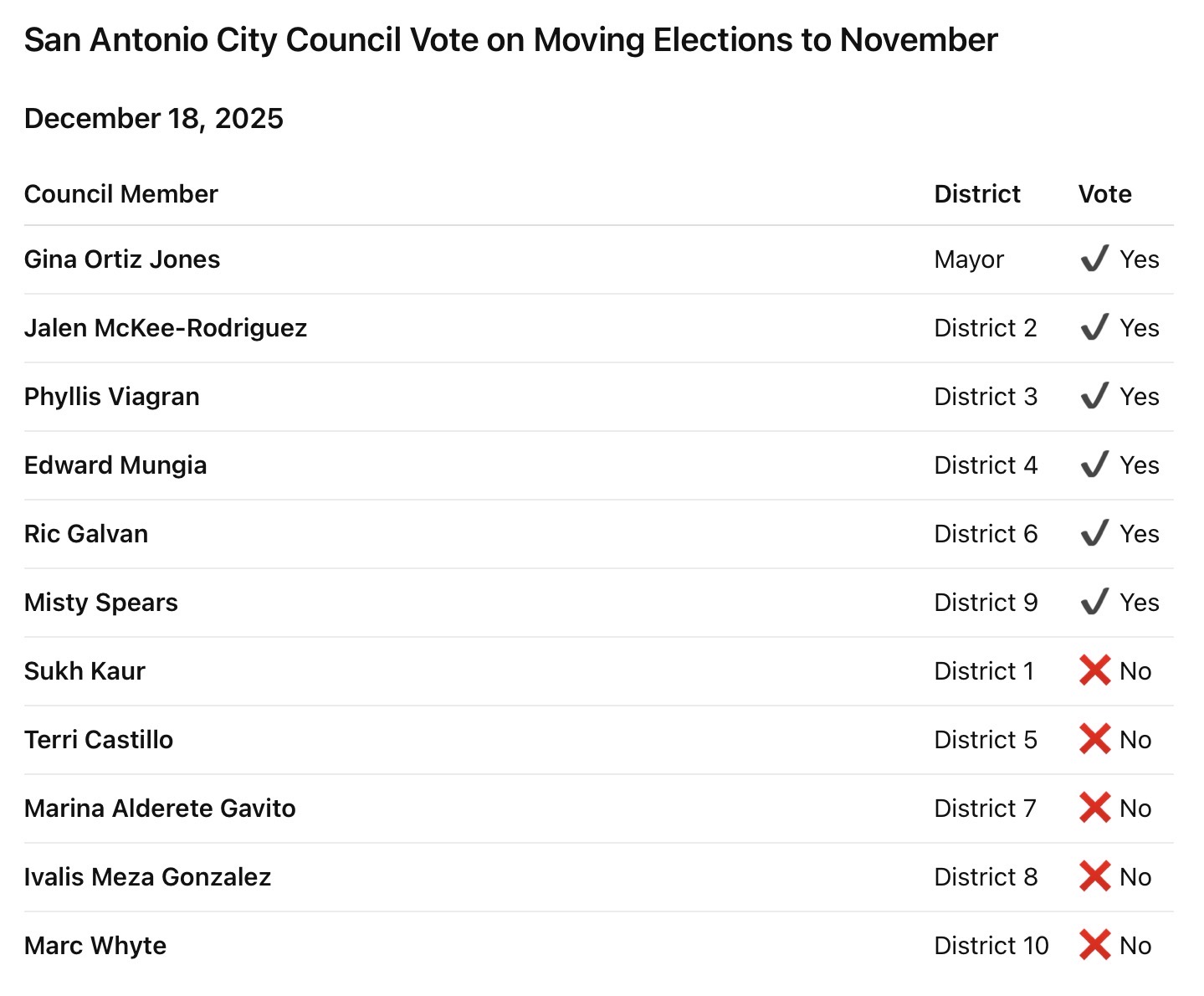
In a narrow 6–5 vote, the San Antonio City Council approved a significant change in the city’s election calendar, moving municipal elections from May to November of odd-numbered years beginning in 2029. Council supporters say the change could increase voter participation and save money, while critics warn it was rushed and could complicate other local elections.
Under the new schedule, elections for mayor and city council will no longer be held in May — traditionally a low-turnout date — but instead in November, when more registered voters tend to cast ballots during statewide and federal election cycles. This shift was possible after a state law passed this year gave cities the authority to make this change without a charter amendment, provided they acted by the end of 2025.
Supporters of the move pointed to chronic low participation in May elections. San Antonio’s May 2025 municipal election saw turnout just over 9%, a figure cited repeatedly by proponents of the change.

Mayor Gina Ortiz Jones, who spearheaded the proposal, said aligning local elections with the broader November cycle could encourage more residents to engage in city governance.
Council Vote Breakdown
The six members who voted in favor of the change included Mayor Gina Ortiz Jones and councilmembers from across the political spectrum, illustrating a rare cross-aisle compromise on a major governance issue.
Those opposed raised concerns about the speed of the decision, limited time for public input, and how the shift could affect other races that remain on the May ballot — such as school board elections — potentially reducing focused voter attention on those contests.
Support and Criticism
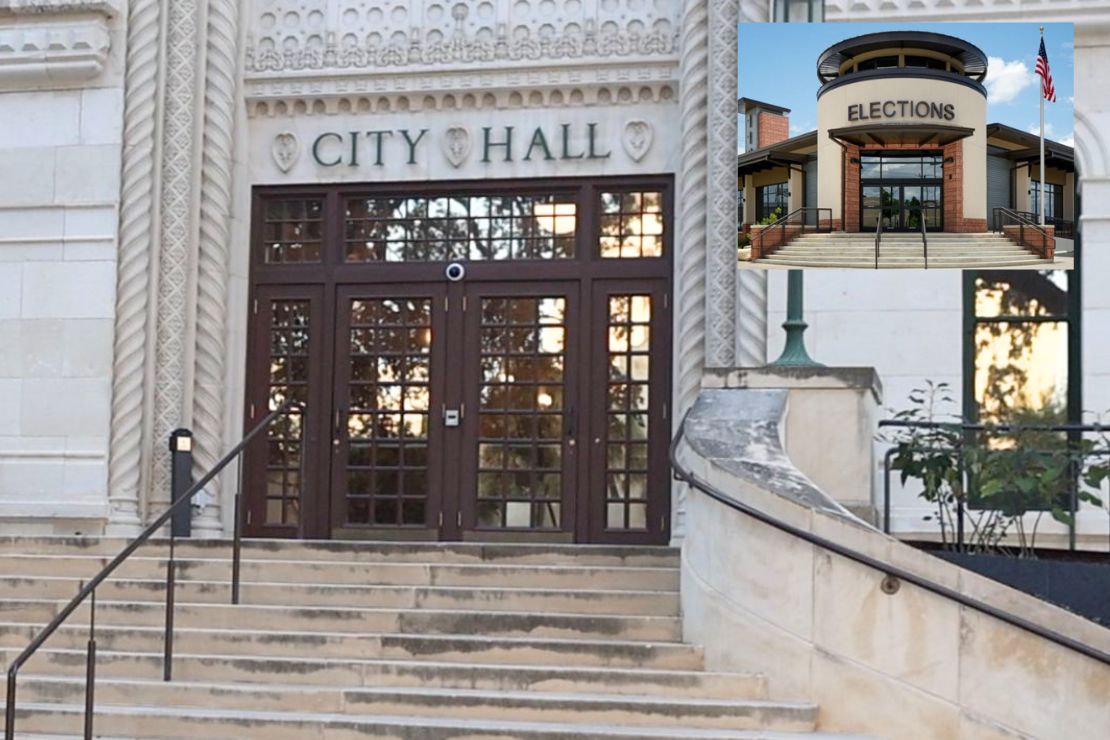
Across San Antonio, advocates for expanded voter participation praised the decision. Civil rights leaders and voting rights groups argued that increasing turnout is crucial for a vibrant democracy — especially in a majority-minority city where civic engagement has long been a challenge. On the City Hall steps before the vote, supporters rallied under banners calling the move a step toward a more accessible democracy.
However, opponents said the city would have benefited from a longer community conversation before making such a sweeping change. Some raised practical concerns about a crowded November ballot, while others worried the city’s effort to boost turnout may not materialize the way advocates hope.
What Happens Next
The change means that the next regularly scheduled municipal elections will be held in November 2029, instead of May of that year. To enact the transition, city officials will need to adjust timelines, update election materials, and notify voters about the new schedule in the coming months.
Because the adjustment requires extending the terms of current officeholders by six months, some critics argued the council members effectively lengthened their tenure without direct voter approval. But backers framed it as a necessary, pragmatic compromise to bring broader participation to local elections.

Context Across the State
San Antonio’s decision follows similar reforms in other Texas cities that have moved municipal elections to November odd-year ballots to address turnout challenges. Experts note that while November ballots often have higher engagement, the impact can vary and depends on local outreach and voter education. 
For San Antonians, this change marks a major shift in how and when city leadership is chosen — with the hope that more voices will be heard at the ballot box.