





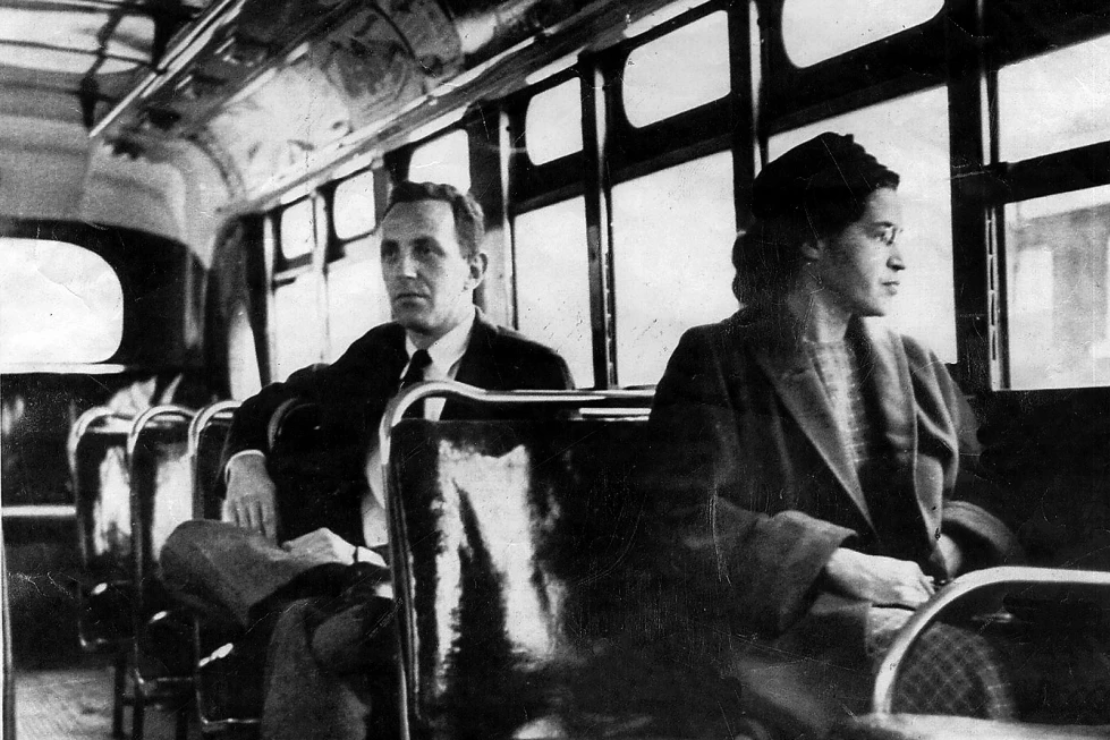
Rosa Parks Arrest Sparks 381 Day Montgomery Bus Boycott and Civil Rights Breakthrough
Rosa Parks’ arrest on December 1, 1955, for refusing to give up her seat to a white passenger in Montgomery, Alabama, set off a pivotal chain of events in the civil rights movement.
Her detention galvanized local Black leaders and residents, who quickly mobilized a large-scale response to the city’s segregated bus system.
Days later on December 5, 1955, the Montgomery Bus Boycott officially began as a coordinated protest against segregation on public transportation.
The effort was organized by the newly formed Montgomery Improvement Association (MIA), led by Martin Luther King Jr. The boycott lasted 381 days, sustained by widespread community participation, alternative transportation networks, and growing national attention.
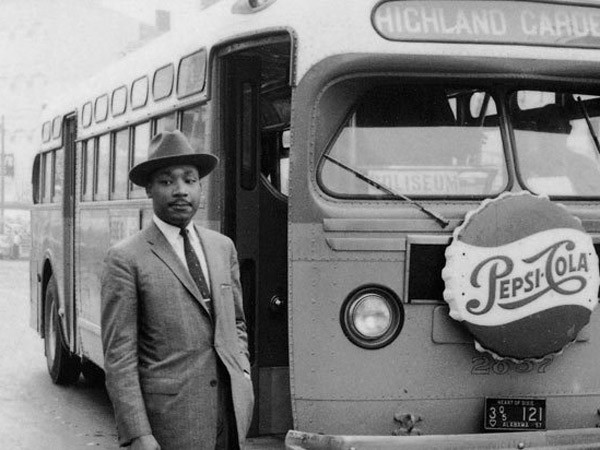
The protest concluded on December 20, 1956, after the U.S. Supreme Court upheld a lower court ruling in Browder v. Gayle, declaring bus segregation unconstitutional. The decision forced Montgomery to integrate its public transit system and marked a major victory for the civil rights movement.