





The Chicago Giant Dubbed One of the Most Controversial and Outspoken Civil Rights Leaders in U.S. History
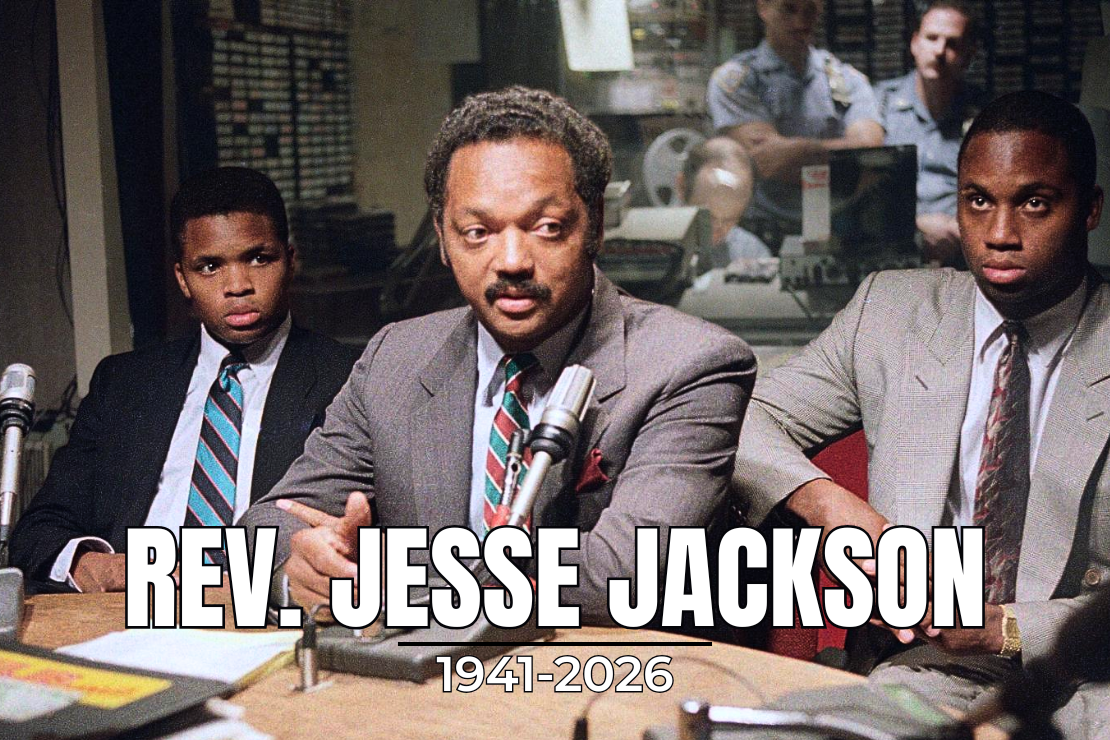
The Rev. Jesse Jackson, the civil rights icon who emerged as a national leader following the assassination of Martin Luther King Jr., has died at 84.
Jackson passed away Tuesday at his home in Chicago, surrounded by family, according to his daughter Santita Jackson. In a statement, the family described him as a “servant leader” who dedicated his life to the oppressed and overlooked across the globe.
For more than half a century, Jackson remained one of the most visible and vocal figures in the struggle for racial justice, economic equity, voting rights, and international human rights. Through the Rainbow PUSH Coalition, he pressured corporations to diversify their workforces, championed Black political participation, and pushed economic access into boardrooms that once excluded African Americans entirely.
From King’s Protégé to National Leader
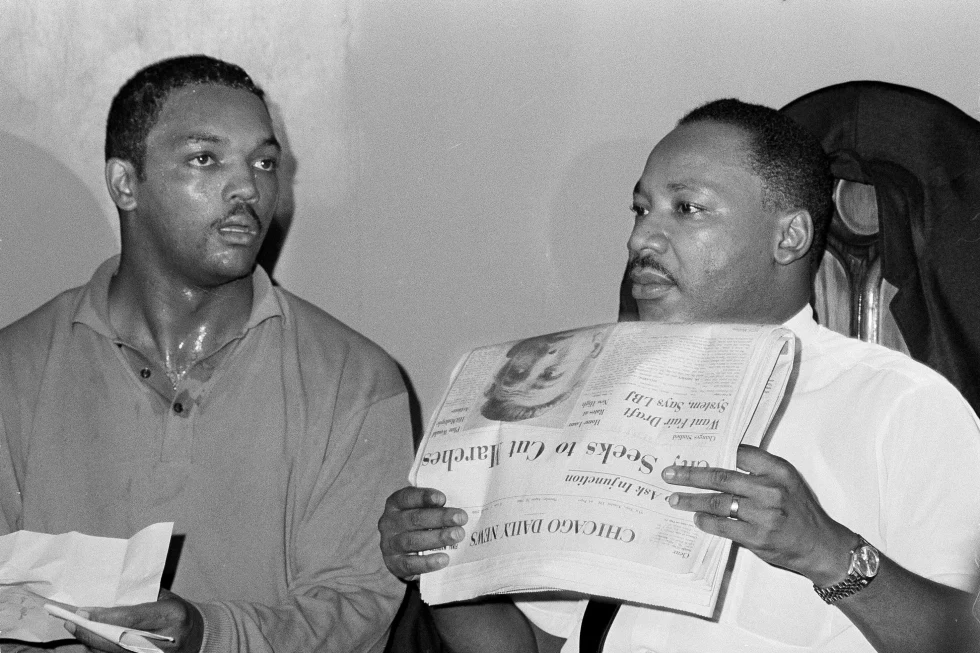
Born Oct. 8, 1941, in Greenville, South Carolina, Jackson rose from the segregated South to national prominence. A standout athlete and student leader, he transferred from the University of Illinois to North Carolina A&T, where he became student body president and immersed himself in the Civil Rights Movement.
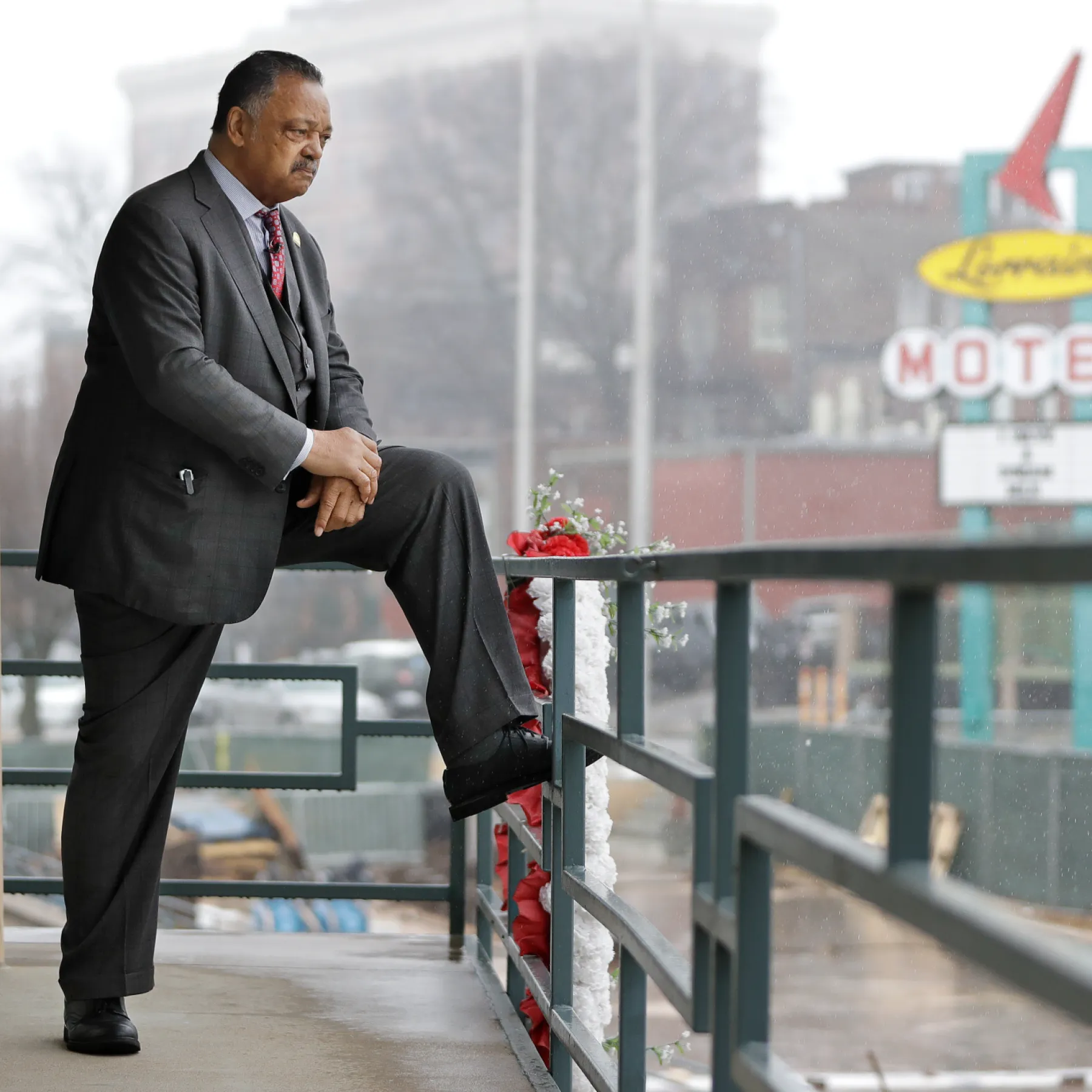
By the mid 1960s, Jackson joined King in Chicago and later marched from Selma to Montgomery. He was present at the Lorraine Motel in Memphis when King was assassinated in April 1968, later stating that King died in his arms, though some contemporaries disputed elements of that account.
After breaking with the Southern Christian Leadership Conference in 1971, Jackson founded Operation PUSH, later merging efforts into the Rainbow PUSH Coalition. His organizing blended protest with negotiation, often leveraging boycotts and public pressure to force corporate change.
“I Am Somebody”
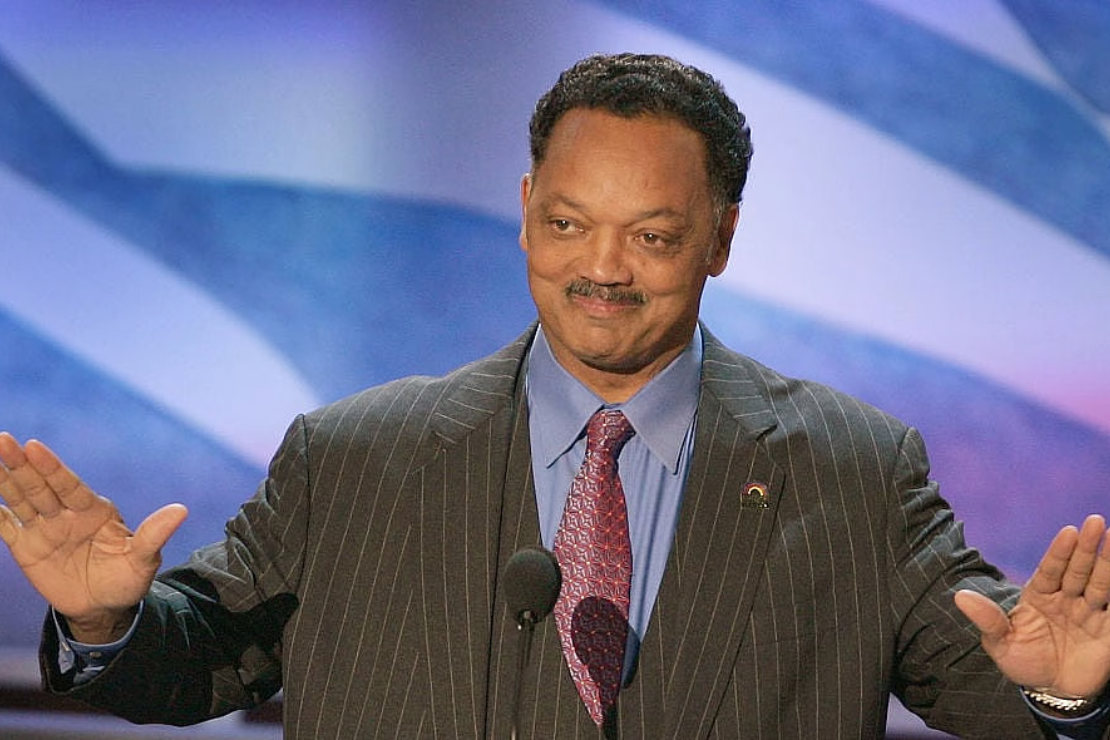
Jackson’s speeches, rooted in the cadence of the Black church, became defining moments in American political rhetoric. His refrain “I Am Somebody” became both declaration and affirmation for marginalized communities.
His presidential bids in 1984 and 1988 reshaped national politics. In 1988, he won multiple Democratic primaries and caucuses and captured nearly 20 percent of the vote, becoming the most successful Black presidential candidate before Barack Obama. Supporters echoed another Jackson mantra: “Keep Hope Alive.”
Though he faced criticism throughout his career, including controversy over remarks in the 1980s and 2000s, Jackson remained a fixture in political and civil rights spaces. He wept publicly in Chicago’s Grant Park on the night Obama was elected president in 2008, calling it the “joy and the journey.”
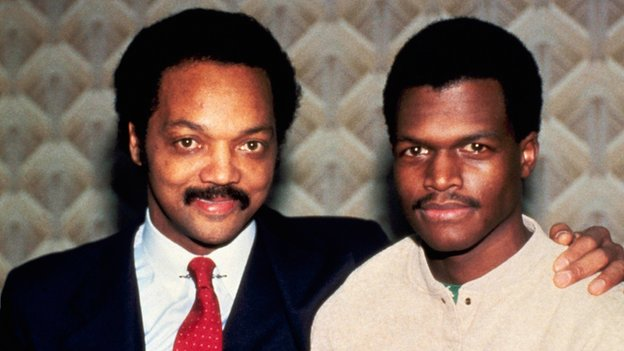
Jackson also carved out a role in global diplomacy. He secured the release of U.S. Navy Lt. Robert Goodman from Syria in 1984, helped negotiate the freedom of hostages during Iraq’s invasion of Kuwait, and won the release of Americans imprisoned in Yugoslavia in 1999. In 2000, President Bill Clinton awarded him the Presidential Medal of Freedom.
“Citizens have the right to do something or do nothing,” Jackson once said before traveling overseas on a diplomatic mission. “We choose to do something.”
Health Challenges and Final Years
In later years, Jackson battled Parkinson’s disease and was diagnosed with progressive supranuclear palsy, a rare neurological disorder that affected his mobility and speech. Despite those challenges, he continued appearing at protests and public events, including the Democratic National Convention in Chicago and court proceedings tied to the killing of George Floyd.
Even as his voice weakened, his message did not. “Even if we win, it’s relief, not victory,” he told marchers during the Minneapolis trial of former officer Derek Chauvin. “Stop the violence. Save the children. Keep hope alive.”
Jackson stepped down from leadership of the Rainbow PUSH Coalition in 2023. In his final months, he required round the clock care and communicated with family by squeezing their hands.
He has written numerous columns and authored/co-authored several books, including “Straight from the Heart” (1987), “Keep Hope Alive” (1989), “Legal Lynching: Racism, Injustice, and the Death Penalty” (1995), and “It’s About The Money.” (1999).
He is survived by his wife Jacqueline and five children: Santita Jackson, former U.S. Congressman Jesse Jackson, Jr., U.S. Congressman Jonathan Jackson, Yusef Jackson and Jacqueline L. Jackson.
For many, Jackson was not simply a leader but a bridge between eras, carrying the momentum of the 1960s into the political realignments of the late twentieth and early twenty first centuries. As fellow civil rights leader Al Sharpton said, Jackson “was not simply a civil rights leader; he was a movement unto himself.”